How Long Do You Cook A Stuffed Turkey Per Pound

Welcome, brave home cook and holiday hero! If you’re staring down a massive stuffed turkey, wondering whether to roast it for a glorious marathon or risk a raw center, you’ve...
Welcome, brave home cook and holiday hero! If you’re staring down a massive stuffed turkey, wondering whether to roast it for a glorious marathon or risk a raw center, you’ve come to the right place. Figuring out exactly how long to cook a stuffed turkey per pound might sound like math homework, but it’s actually your secret weapon for a stress-free, legendary feast. The purpose here is simple: give you a reliable, easy-to-follow guide so your turkey comes out golden-brown on the outside, juicy on the inside, and—most critically—safe to eat. The payoff? No dry meat, no undercooked stuffing, and a whole lot of “Wow, how did you do that?” compliments from your guests.
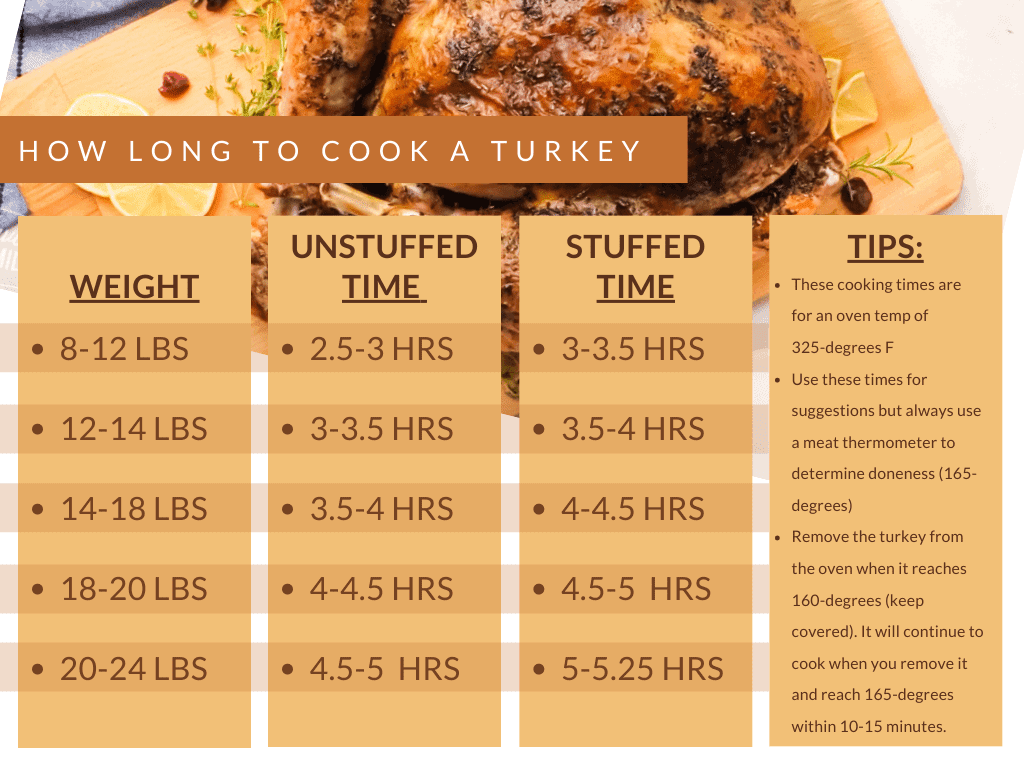
Let’s start with the golden rule: for a stuffed turkey, you generally cook it at 325°F (163°C) and plan for 15 minutes per pound. But here’s the twist—that’s a starting point, not an exact science. A 12-pound stuffed bird, for example, would need about 3 hours in the oven (12 × 15 = 180 minutes). However, your oven’s quirks, the shape of your turkey, and whether you stuffed it tightly or loosely all affect the timing. The real trick? Don’t rely solely on the clock. Use a meat thermometer inserted into the thickest part of the thigh (without touching bone) and also into the center of the stuffing. Both must reach 165°F for perfect safety and texture. Think of the per-pound estimate as your friendly GPS, but the thermometer is your destination.
Now for some creative ideas to make this process less intimidating and more fun. Imagine you’re hosting a “Turkey Time Trial” with your friends or family. Assign a “thermometer ambassador”—someone who checks the temperature every 30 minutes starting an hour before your estimated done time. This turns a chore into a game! Another playful hack: drape bacon slices over the breast during the first hour of roasting. Not only does it baste the meat as it melts, but it also adds a smoky, crispy topping that makes everyone laugh and say, “Why didn’t I think of that?” For the adventurous, try a herb-butter compound under the skin—mix softened butter with rosemary, sage, and garlic, then slide it between the skin and breast meat. It infuses flavor and helps the turkey cook more evenly, buying you a little wiggle room on timing.
Must Read
Practical advice is your best friend here. First, never stuff your turkey the night before. Bacteria love to party in a warm, moist environment, and overnight stuffing in the fridge invites trouble. Instead, prep all your ingredients, then stuff the bird right before it goes into the oven. Second, if your turkey is larger than 16 pounds, consider roasting the stuffing separately in a casserole dish—it’s safer and saves oven space, plus it gets that glorious crunchy top. For the bird itself, tent the turkey loosely with foil after the first hour of cooking. This prevents the skin from over-browning while the inside finishes cooking. Remove the foil for the last 30 minutes to crisp the skin to a perfect crackle.
Here’s a pro-tip that changes everything: the resting period is non-negotiable. After you pull that magnificent bird from the oven, let it sit for at least 20–30 minutes before carving. Why? Because the internal temperature will continue to rise by about 5–10°F during this time—this is called “carryover cooking.” So if your thigh reads 160°F when it comes out, don’t panic. Resting will push it to a safe 165°F, while the juices redistribute through the meat. Resist the urge to carve early! A rested turkey is a moist turkey, and your stuffing will also firm up, making it easier to scoop out without turning into a soupy mess. This waiting period is the secret handshake of the turkey pros.
 How Long To Cook A 33 Lb Stuffed Turkey – JPUOYG
What about common mistakes that ruin the per-pound math? The biggest one: overcrowding the oven. If you’re also roasting sweet potatoes or a casserole, the heat circulation suffers, and your turkey’s cooking time can balloon by 20–30%. Give your bird space to breathe. Another sneaky issue is a frozen turkey that wasn’t fully thawed. A partially frozen stuffed turkey can take up to 50% longer to cook, which dries out the outer layers. Always thaw completely in the fridge (24 hours per 5 pounds) before stuffing and roasting. Finally, don’t open the oven door every 15 minutes to “check” it—each peek lets out heat and adds 10–15 minutes to the total time. Trust your thermometer, not your eyes.
So, to wrap it all up, cooking a stuffed turkey per pound isn’t about rigid numbers—it’s a warm, forgiving dance between time, temperature, and a little bit of love. Start with 15 minutes per pound at 325°F, but always double-check with your trusty thermometer. Embrace the fun of bacon draping, herb butter, and a rested bird. The result is a centerpiece so impressive that your guests will think you spent a whole day on it—when really, you just followed a simple, smart formula. Happy roasting, and may your stuffing be perfectly moist and your turkey be the talk of the table!
