How Long Do I Charge 18650 Batteries

So, there I was, fiddling with my flashlight, trying to figure out why it was as useful as a chocolate teapot in the dark. I'd charged it up, or so I thought, but the batterie...

So, there I was, fiddling with my flashlight, trying to figure out why it was as useful as a chocolate teapot in the dark. I'd charged it up, or so I thought, but the batteries were as dead as a doornail. That's when it hit me - I'd been charging my 18650 batteries all wrong. And that, my friend, is what we're going to talk about today. Grab a cuppa, get comfy, and let's dive into the wonderful world of battery charging.
First Things First: What's an 18650 Battery?
Alright, let's start with the basics. If you're here, you probably already know what an 18650 battery is, but just in case, let me give you a quick rundown. An 18650 battery is a type of lithium-ion battery, which is basically a fancy way of saying it's a rechargeable battery. The numbers refer to its size - 18mm in diameter and 65mm in length. You'll find these bad boys in all sorts of gadgets, from flashlights to laptops, and even some electric cars.
Now, you might be thinking, "Why should I care about the size of my battery? I just want it to work!" Well, my friend, the size of the battery does matter when it comes to charging time. And that's what we're here to talk about.
Must Read
So, How Long Does It Take to Charge an 18650 Battery?
Alright, let's get down to business. The charging time for an 18650 battery can vary greatly depending on a few factors. The most important ones are the battery's capacity, the charger you're using, and the charging current.
Let's start with capacity. This is measured in milliampere-hours (mAh) and tells you how much charge the battery can hold. A higher capacity means it can hold more charge, but it also means it'll take longer to charge. For example, a 2000mAh battery will take longer to charge than a 1000mAh battery.
Next up, we have the charger. Not all chargers are created equal, and some are better at charging 18650 batteries than others. A good charger will have a higher wattage and support a higher charging current. This means it can pump more juice into your battery in less time.
Finally, we have the charging current. This is measured in milliamperes (mA) and tells you how quickly your battery is being charged. A higher charging current means your battery will charge faster, but it also means it'll get hotter. This is why most chargers have a setting for the charging current - it lets you balance charging speed and battery lifespan.
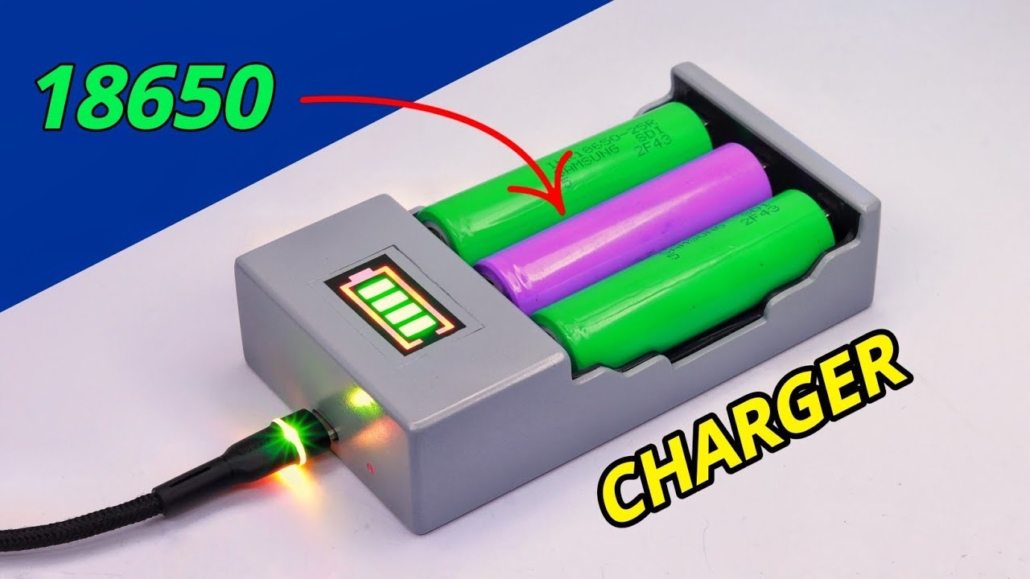 How Long to Charge an 18650 Battery (The Complete Guide) - Nuranu
Alright, So How Long Does It Actually Take?
Now that we've got the technical stuff out of the way, let's talk about real-world charging times. On average, an 18650 battery with a capacity of around 2000mAh will take between 2 to 4 hours to charge using a standard charger with a 1000mA charging current. However, this can vary greatly depending on the factors we talked about earlier.
For example, if you're using a fast charger with a higher charging current, you might be able to charge your battery in as little as an hour. On the other hand, if you're charging a battery with a higher capacity or using a slower charger, it could take up to 8 hours or more.
But here's a little tip from me to you - it's usually best to charge your batteries overnight. This way, you're not rushing around waiting for them to charge, and you can wake up to a full battery. Plus, it's better for the battery's lifespan to charge it slowly over a longer period.
One Last Thing: Safety First!
Before we wrap up, I want to talk about safety. Lithium-ion batteries, like the ones in your 18650s, can be a bit temperamental. They don't like to be overcharged, overheated, or physically damaged. So, here are a few quick tips:
- Always use the charger that came with your battery, or a reputable third-party charger.
- Don't leave your batteries charging unattended, especially overnight.
- Store your batteries in a cool, dry place when you're not using them.
- If a battery gets hot while charging, stop the charging process immediately.
- Never short-circuit your batteries, and keep them away from metal objects.
And there you have it, folks! You're now a certified 18650 battery charging expert. Go forth, charge your batteries safely and efficiently, and never again be left in the dark with a dead flashlight.
