How Long Do Fresh Carrots Last In The Refrigerator

There is something deeply satisfying about the crisp, sweet crunch of a just-washed carrot, whether it is dipped in hummus for a quick lunch or grated into a vibrant salad. Fr...
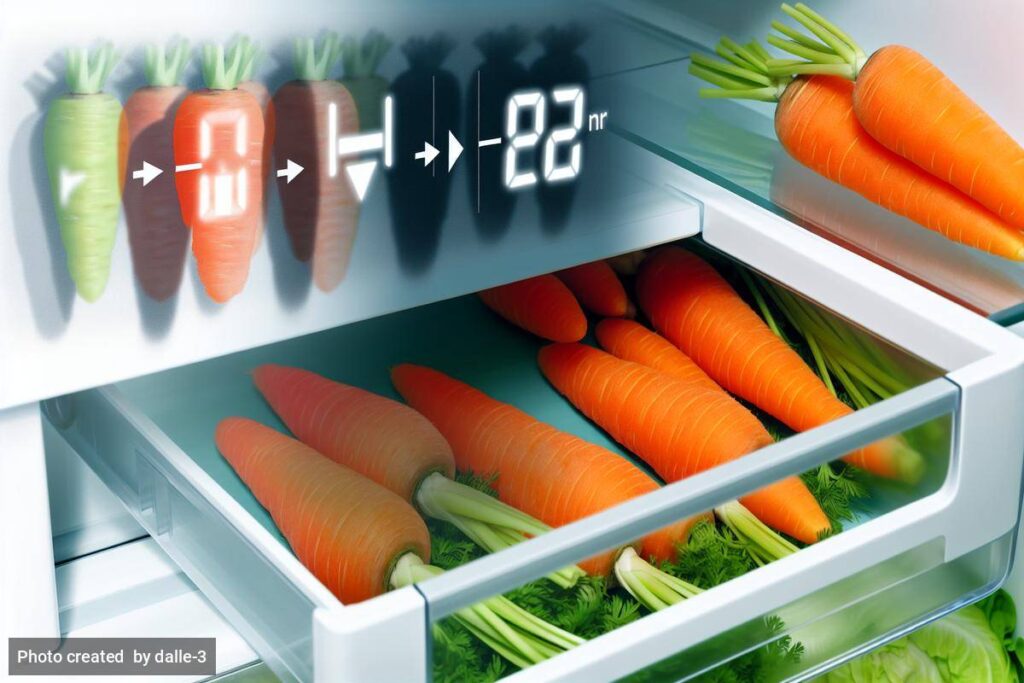
There is something deeply satisfying about the crisp, sweet crunch of a just-washed carrot, whether it is dipped in hummus for a quick lunch or grated into a vibrant salad. Fresh carrots are a staple in kitchens around the world, valued not only for their earthy flavor and versatility but also for their incredible nutritional benefits. They are packed with beta-carotene, fiber, and vitamins that support eye health and immunity, making them a favorite for health-conscious cooks. However, that same freshness is fleeting if not stored correctly. The key question many home cooks face is: how long do fresh carrots last in the refrigerator? Understanding this simple timeline can save you money, reduce food waste, and ensure you always have that perfect crunch on hand.
In the ideal conditions of a home refrigerator, fresh, whole carrots can last three to four weeks if they are stored properly from the start. This lifespan applies to carrots that are still in their natural, unpeeled state with their green tops removed. The reason for this impressive longevity lies in their low moisture content and sturdy cell structure, which resist spoilage better than leafy greens or soft fruits. For example, if you buy a bag of carrots on a Sunday, you can still confidently use them in a Sunday roast soup three weeks later, provided they were stored correctly. The key purpose of refrigeration is to slow down respiration and microbial growth, but temperature fluctuations and moisture control are what make the difference between a crisp carrot and a limp one.
To maximize this three-to-four-week window, you must prepare your carrots before refrigerating. First, remove the green leafy tops if they are attached. The greens draw moisture and nutrients from the root, causing the carrot to dry out and become rubbery in just a few days. Next, do not wash the carrots until you are ready to use them. Excess moisture from washing creates a perfect breeding ground for mold and soft rot. Instead, gently brush off any visible dirt. Then, place the unwashed, top-free carrots in a perforated plastic bag or a container with a loose lid inside the crisper drawer. This balances humidity while allowing airflow, preventing both dehydration and condensation. A simple scenario: imagine you have a bunch of farmers’ market carrots. If you leave the tops on and toss them in the main fridge shelf, they might last only five days. But if you cut the tops off, leave them unwashed, and store them in a perforated bag in the crisper, you will still have firm, snappable carrots three weeks later.
Must Read
There are, however, important exceptions to this timeline. Baby carrots, which are often peeled and cut from larger carrots, have a shorter shelf life of about two to three weeks. Because their protective skin is removed, they dry out faster and are more susceptible to spoilage. The same applies to sliced, shredded, or peeled whole carrots—once the protective barrier is broken, enzymes and bacteria accelerate decay, reducing their refrigerated life to one to two weeks. In everyday life, this means if you prep carrot sticks for lunch on a Sunday, they will stay crisp in an airtight container for about five to seven days, but may develop a white, dry surface or a slightly slimy feel after that. Checking for these signs is your best guide: slime, a musty smell, or visible black spots indicate it is time to compost them.
 How Long Do Carrots Last In The Fridge?
One of the greatest benefits of knowing how long carrots last is the ability to plan meals and reduce waste. For instance, if you have a bag of whole carrots with three weeks to use, you can confidently buy them in bulk for a busy month. You might roast them with honey in the first week, add them to a stew in the second, and grate them into coleslaw in the third. To explore this further, try this simple tip: store carrots away from ethylene-producing fruits like apples, pears, or bananas. Ethylene gas accelerates the ripening and decay of carrots, turning them bitter or causing them to go limp faster. Place your carrots in a separate crisper drawer or at the back of the fridge, where temperatures are coldest and most stable. Another tip is to wrap peeled carrots in a damp paper towel inside a sealed bag; this trick can extend their usability for an extra few days by maintaining hydration without promoting rot.
Finally, no matter how well you store them, freshness is always a sensory test. When in doubt, trust your senses. A fresh carrot should snap cleanly when bent, have a vibrant orange color, and smell earthy but not sour. If a carrot has become slightly limp, do not discard it—it can still be revived by soaking it in ice water for 10 to 15 minutes. However, if you notice any sliminess, dark spots, or an off odor, it is best to throw it away. By following these simple storage practices, you ensure that every time you open your refrigerator, you have a reliable, nutritious vegetable ready to elevate your meals. With proper care, your fresh carrots will last well past your expectations, turning a simple root vegetable into a long-lasting ally in your daily cooking.
