How Long Do Cooked Beans Last In The Fridge

So you’ve done it. You’ve cooked a massive pot of beans, and now your fridge is a legume fortress. The question looming over your Tupperware like a tiny, gassy ghost: how long...
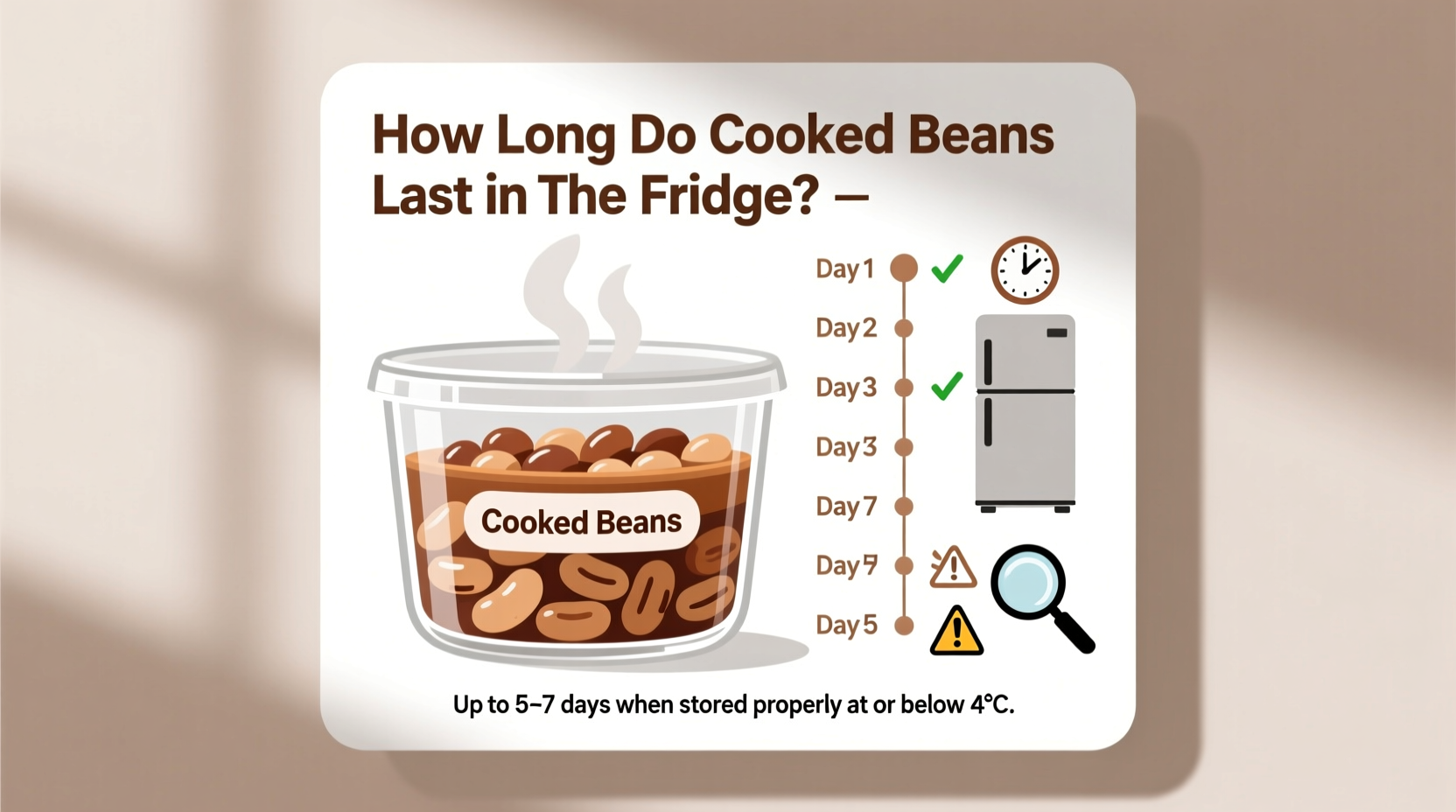
So you’ve done it. You’ve cooked a massive pot of beans, and now your fridge is a legume fortress. The question looming over your Tupperware like a tiny, gassy ghost: how long do they actually last in there? Let’s face it, staring at a container of beans three days later feels like a culinary pop quiz you didn’t study for. But fear not, intrepid bean-eater—I’ve got the scientific (and slightly silly) breakdown.
The Magic Number (It’s Not 40)
According to the USDA and every food safety nerd who loves a good spreadsheet, cooked beans are safe in the fridge for 3 to 4 days. That’s right—your magical bean window is about the length of a long weekend. After that, they start plotting your digestive discomfort like a tiny, starchy villain.
But here’s the kicker: that timeline assumes you stored them right. If you left them on the counter for three hours after dinner, you’ve basically invited bacteria to a house party. And bacteria don’t clean up after themselves—they just make you sick.
Must Read
The “Sniff Test” Is a Trap
I know, I know—your grandma told you to just sniff it. But beans are master deceivers. They can smell perfectly fine while hosting an invisible bacterial rave. Clostridium botulinum doesn’t come with a cologne sample, folks.
So don’t trust your nose. Trust the calendar. Mark that day on your fridge whiteboard: “Bean Apocalypse Day 4—Eat or Freeze.” And if you’re eating them on Day 5? You’re playing bean roulette, and the bullet is a tummy ache the size of a bowling ball.
Freezing: The Beans’ Second Chance
Did you know beans have a secret superpower? They freeze beautifully. Yes, really. Pop them in a freezer bag, squeeze out the air like you’re strangling a pillow, and they’ll last up to six months. That’s longer than most celebrity marriages.
Pro tip: freeze them in single-serve portions. Otherwise, you’ll thaw a brick of beans for a single burrito and face the guilt of the defrosted mountain. And nobody wants to cry over unseasoned chickpeas.
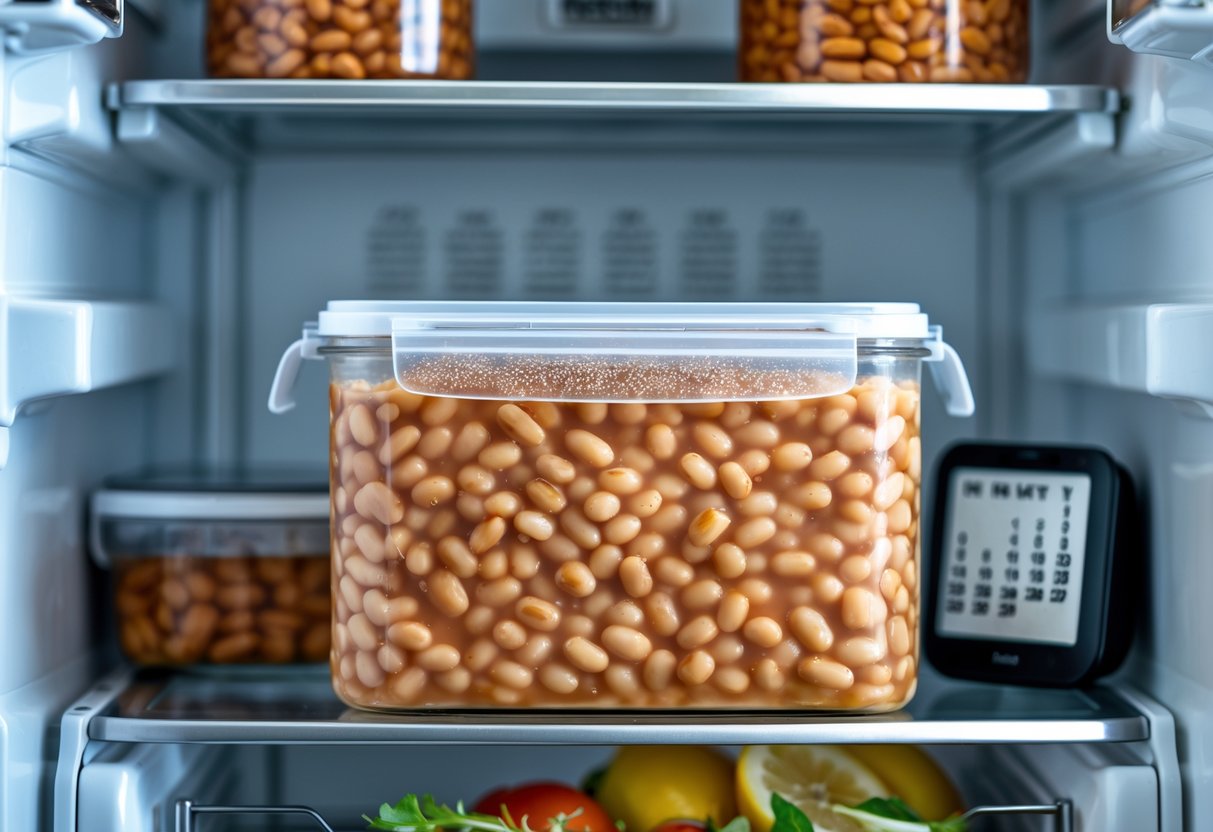 How Long Can You Keep Baked Beans in the Fridge? Storage Tips for Leftovers
The Fridge Temperature Conspiracy
Your fridge might be lying to you. If it’s set to 40°F (4°C) or above, your beans are in the danger zone—a term that sounds like a Tom Cruise movie but is actually just a bacteria sauna. Invest in a cheap thermometer. Seriously. Your fridge’s built-in dial is about as accurate as a weather app in the Arctic.
And here’s a surprising fact: beans can actually spoil faster if you store them in a metal container. The metal can react with the bean’s acidity, making them taste like a sad, metallic science experiment. Use glass or plastic. Your beans deserve dignity.
The Great Bean Crime: Improper Cooling
You know what’s a worse offense than drunk texting your ex? Putting a hot pot of beans straight into the fridge. That raises the internal temperature of the whole unit, turning your fridge into a lukewarm swamp. Always cool beans down first—spread them on a baking sheet or run the pot under cold water.
If you skip this step, you’re basically pasteurizing your leftovers for the next generation of bacteria. They’ll throw a six-hour party while you sleep, and you’ll wake up to bean-failure and regret.
The Bean Mold Hall of Fame
Let’s talk about the fuzzy stuff. If you see green, white, or fuzzy black mold on your beans, do not—I repeat, do not—scrape it off and eat the rest. Mold is like a bad breakup; it’s never just on the surface. The roots dig deep into the bean mush, and you’ll end up tasting regret in every bite.
 how long do cooked beans last in fridge? - Test Food Kitchen
Surprisingly, a little bit of white fuzz on some fermented bean dishes (like tempeh) is fine, but on your leftover black beans? That’s a crime scene. Toss them. Say a prayer. Move on.
The 24-Hour Rule (For the Paranoid)
Here’s a weird truth: some food scientists say beans are most nutritious within the first 24 hours of cooking. After that, nutrients like folate and B vitamins start waving goodbye. So if you’re a health nut who eats beans for the iron, eat them fast—like a hungry vampire at a blood bank.
But let’s be real: if you’re eating beans on Day 3, you’re doing it for the convenience, not the vitamins. And that’s okay. We’ve all been there, standing in front of the fridge at 11 PM, asking beans to be our dinner savior.
The Final Silly Verdict
So here’s your cheat sheet: 3 to 4 days in the fridge, or freeze for up to six months. Don’t trust your nose, cool them fast, and if they look furry, they’re not your friends. Remember, beans are magical—they can be soup today, chili tomorrow, and a freezer buddy for winter. Treat them with respect, and they’ll never betray you with a side of food poisoning.
Now go forth, label your Tupperware, and may your fridge be forever bean-friendly. And if you ignore all this advice? Well, that’s between you, your gut, and the great bean gods of the refrigerator.
