How Long Can You Leave Fresh Eggs Unrefrigerated

Let’s talk about a breakfast rebellion that could change your entire relationship with your kitchen. You’ve probably been told your whole life that eggs must live in the fridg...

Let’s talk about a breakfast rebellion that could change your entire relationship with your kitchen. You’ve probably been told your whole life that eggs must live in the fridge, right? Well, what if I told you that a fresh egg is actually perfectly happy sitting on your counter, like a little golden secret just waiting to be cracked?
Why the fridge is optional (and how long you can safely ignore it)
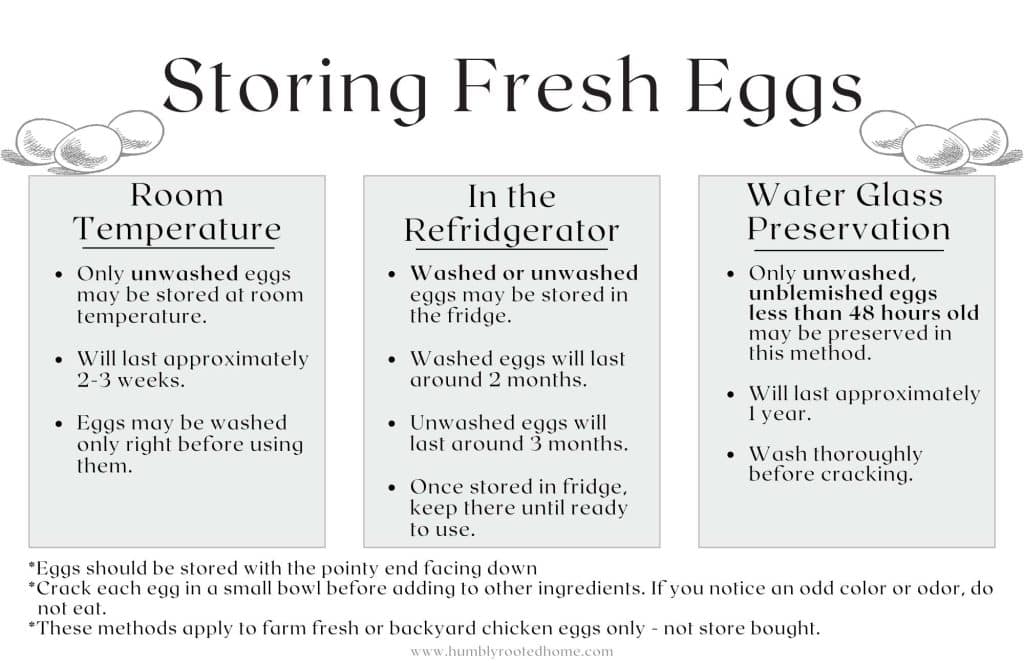
In many parts of the world—think France, Japan, or your favorite farmhouse bakery—eggs live unrefrigerated for weeks. The rule of thumb? Fresh, unwashed eggs from a happy hen can stay out for about one to three weeks at room temperature. Yes, you read that right: three weeks.
But here’s the twist: this only works if your eggs are farm-fresh and haven't been power-washed by a factory. Once an egg gets a cold bath (like the ones in the supermarket), it loses a protective coating called the bloom. After that, it’s fridge territory.
Must Read
The “Float Test” – your new party trick
How do you know if an egg is still good without sniffing it like a detective? Try the float test. Fill a bowl with cold water, gently place your egg inside, and watch what happens.
A fresh egg sinks and lies flat on its side—like it’s napping. An older egg that still has some life left will stand up on one end, like a tiny submarine on duty. If it floats? Toss it. That egg is ready to explore the afterlife.
This test is crazy reliable, and it makes you look like a kitchen wizard. Imagine impressing your friends at brunch with a science experiment involving breakfast. Boom.
Why leaving eggs out makes life more fun
Think about the last time you wanted to make a last-minute quiche or a perfect batch of cookies. Cold eggs are lazy—they don’t whip up as well, they take forever to come to room temperature, and they mess with your baking. A counter egg is ready to party.
Room-temperature eggs beat into higher, fluffier peaks. They emulsify better in mayonnaise. They make your cake batter feel like a cloud. By leaving them out, you’re not being reckless—you’re being a culinary genius who respects timing.
Plus, it’s a tiny act of freedom. You get to reclaim precious fridge space for things that actually need it, like pickles or last night’s takeout. Who wants a fridge crowded with egg cartons when you could have a countertop gallery of beautiful eggs in a bowl?
The temperature trap (and how to avoid it)
Room temperature is key—we’re talking about a cool, stable spot, not a sunbeam or a spot above a toaster. Ideally, keep your eggs below 70°F (21°C). If your home turns into a sauna in summer, fridge wins. But for most of the year, your counter is perfect.
Also, a quick pro-tip: never wash fresh eggs until you’re about to crack them. That bloom is their natural armor. Wash them, and you’re basically inviting bacteria to a pool party on the shell. Not cool.
 How Long Do Chicken Eggs Last in the Refrigerator? Your Ultimate Guide
And please, don’t put eggs near strong-smelling foods like onions or garlic. Eggshells are porous—they absorb odors like a sponge. Nobody wants a breakfast that tastes like last night’s stir-fry.
What about store-bought eggs?
I hear you. You’re holding a carton from the supermarket that’s been chilling at 4°C since it left the farm. Here’s the honest truth: once an egg has been refrigerated, don’t take it back out for more than two hours. The sudden temperature change causes condensation, which bacteria love.
So, if your eggs came from a fridge, keep them there. But if you ever score fresh eggs from a neighbor’s coop or a farmers’ market? Counter life begins now. You can store them for up to three weeks without worry, and they’ll taste better too.
The inspiring part: you’re part of an ancient tradition
Here’s the uplifting truth: for thousands of years, humans have kept eggs unrefrigerated. Our ancestors didn’t have shiny white fridges with ice makers. They had a basket and a cool pantry. And they thrived.
By learning this simple trick, you’re connecting to a slower, more intentional way of living. You’re trusting your senses—the float test, the sniff, the feel of an egg in your hand—over a sticker that says “refrigerate after purchase.” That’s empowerment.
So go ahead. Buy fresh eggs from a source you trust. Set them in a beautiful bowl on your counter. Watch them age gracefully, like fine wine or a philosophy professor. And when you crack one open, remember: you just reclaimed a bit of your kitchen autonomy.
Now, isn’t it amazing how one little egg can make you feel so capable? Curiosity is the best ingredient—and you, my friend, have just cracked open a brand new world. Keep exploring, keep cracking, and keep your eggs where they feel most at home.
You’ve got this. 🥚✨
