How Long Can You Leave A Block Heater Plugged In

So, you’ve just parked your car in the frozen tundra that is your driveway, and you’ve dutifully plugged in the block heater. Now you’re standing there, shivering, staring at...
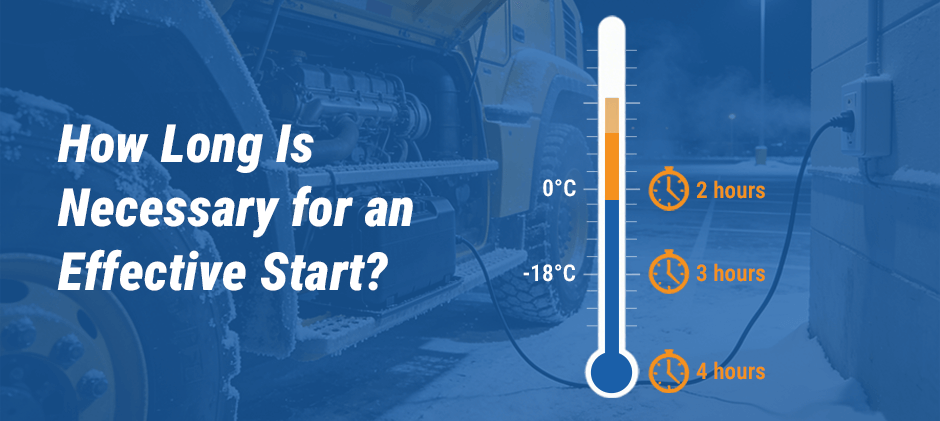
So, you’ve just parked your car in the frozen tundra that is your driveway, and you’ve dutifully plugged in the block heater. Now you’re standing there, shivering, staring at the orange extension cord snaking across the snow, and a single, terrifying question enters your brain: “Did I just sign up for a lifelong commitment to this wall outlet?” Relax. We’ve all been there, wondering if we’re about to melt a hole in the space-time continuum by leaving it plugged in for too long. The short, boring answer is: you can leave it plugged in for several hours, usually up to four, and it won't fry your car or summon a frost demon.
But you didn't click on this for the boring answer, did you? You want the real scoop—the kind that involves fire hazards, electric bills that make you weep, and the existential dread of a wasted kilowatt. Let’s get one thing straight: a block heater isn’t a magical space heater for your engine bay. It’s a tiny, low-wattage resistor that warms up the engine coolant, usually drawing around 400 to 1,000 watts—roughly the same as a toaster, but much less useful for breakfast.
The Golden Rule: Four Hours is Plenty
Here’s the surprising fact that will save you from guilt: Most block heaters reach peak effectiveness after just two to four hours. Yes, you read that right. You don’t need to plug it in the night before like you’re slow-cooking a brisket. The engine block is a lump of metal, not a Thanksgiving turkey. After four hours, the coolant is as warm as it’s going to get, and the extra time is just you paying the electric company to heat up the snow around your car.
Must Read
So if you plug it in at 11 PM for a 7 AM commute, you’re wasting about seven hours of electricity for exactly zero extra benefit. That’s like leaving the oven on after the pizza is already burnt. The only thing you’re “warming up” is your local utility company’s bottom line. Pro tip: Use a simple timer outlet—they cost ten bucks at the hardware store and will make you feel like a certified electrical genius.
But Won’t It Overheat and Explode?
Relax, doomsayer. Modern block heaters have internal thermostats that stop them from turning your engine into a molten lava pit. They’re designed to run indefinitely without catching fire, assuming your wiring isn’t held together with duct tape and hope. That said, leaving it plugged in for days (like over a vacation) is a bad idea, not because it’ll explode, but because it’s a colossal waste of money and a fire risk if your extension cord is a tangled mess of Christmas lights.
I knew a guy—let’s call him “Frosty”—who left his block heater plugged in for a whole long weekend. He came back to a car that started fine, but also to a $50 electric bill for a single outlet. His wife called it the “Winter Tax of Stupidity.” Don’t be Frosty. Use a timer or just plug it in two hours before you leave, unless you enjoy paying extra to keep a neighborhood squirrel warm.
What About the Extension Cord? (The Unsung Hero)
Your extension cord is the real star of this show. If you use a cheap, 18-gauge cord designed for a lamp, you’re basically trying to drink a milkshake through a coffee stirrer. The wire will heat up, the resistance will spike, and you might end up with a melted cord that looks like a sad licorice whip. Use a heavy-duty, outdoor-rated extension cord (12 or 14 gauge) that’s short enough to not trip over, but long enough to reach your car without a yoga stretch.
 How Long To Plug In A Block Heater
And for the love of all that is frozen, don’t plug your block heater into a power strip. Power strips are for your desk, not for a toaster-level draw in subzero temps. You’ll trip a breaker and then have to explain to your spouse why the garage smells like burnt dreams. Also, never coil the extension cord tightly while it’s in use—that creates a heat-trapping loop that can melt the plastic and start a fire. Coil it loosely, like a sleeping python, not a tight corset.
The Surprising Fact That Will Make You a Cocktail Party Hero
Here’s a nugget that’ll impress your friends: A block heater only needs to get the engine to about 30–40°F above ambient temperature. That’s because the goal isn’t to make the engine toasty; it’s to thin out the oil so it flows like honey instead of frozen peanut butter. Once the oil is thinned, the engine turns over easier, the battery doesn’t groan like a zombie, and your cabin heater actually blows warm air before you reach the highway.
In fact, studies show that using a block heater for just two hours can reduce engine wear by up to 50% on a -20°F day. That’s huge—like getting a free oil change every winter. But the flip side is that leaving it plugged in for eight hours offers zero additional protection. It’s the law of diminishing returns, written in frost and regret. So set that timer for three hours—that’s the sweet spot between frozen and financially foolish.
The Final Verdict (No, Really)
So, how long can you leave a block heater plugged in? Up to four hours, max, unless you enjoy donating to the power company. Anything beyond that is like wearing a winter coat inside a sauna—you’re not getting any warmer, you’re just being inefficient. If you forget to plug it in, don’t panic; your car will still start (maybe with a groan and a puff of smoke), and you’ll just have to let it warm up for extra minutes. That’s free, and it doesn’t involve extension cords or timers.
In summary: Plug it in two hours before departure, use a heavy-duty cord, set a timer, and resist the urge to treat your block heater like a permanent guest in your outlet. Your car will thank you, your wallet will thank you, and the only thing that’ll be frozen is the look on your neighbor’s face when you start your car like a boss while they’re still chipping ice off their windshield. Stay warm, stay smart, and for heaven’s sake, unplug that thing before you leave for work—you’re not powering a small village.
