How Long Can You Freeze Evaporated Milk

Picture this: You’re halfway through a recipe for the creamiest, most decadent mac and cheese of your life. You reach for the evaporated milk, pour out exactly what you need,...
Picture this: You’re halfway through a recipe for the creamiest, most decadent mac and cheese of your life. You reach for the evaporated milk, pour out exactly what you need, and then… stare at the can. What do you do with the rest? Tossing it feels like a crime against dairy, but you’re not about to drink it straight (unless you’re really into that caramelized, condensed vibe). Enter the freezer: your kitchen’s trusty, ice-cold superhero.
So, how long can you freeze evaporated milk? Buckle up, buttercup, because the answer is both simple and a little sneaky. Technically, you can freeze it for up to three to six months and still have it be safe to use. But here’s the kicker—it won’t be quite the same silky, pourable liquid you started with. Think of it like a friend who’s been on a long flight: a little jet-lagged, a bit separated, but still fundamentally wonderful.
When frozen, the water in the milk expands, which can mess with the emulsion. Translation? When you thaw it, you might notice it looks grainy or slightly separated. Don’t panic! This is completely normal. Just give it a vigorous whisk, shake it like a Polaroid picture, or (my favorite) blitz it in a blender for a few seconds. It’ll bounce right back—though it’s best used in cooking or baking after freezing, not for whipping into clouds of glory for a pie topping.
Must Read
Now, let’s talk how to actually pull this off like a pro. First, never freeze the milk in the can. That’s a rookie move. The can can bulge, rust, or even explode in your freezer (and that’s a mess no one wants to clean up with a spatula and a prayer). Instead, pour the leftover milk into an airtight, freezer-safe container. Leave about an inch of headspace, because liquids expand—yes, even your beloved evaporated milk plays by the laws of physics. Label it with the date, because “future you” will thank “present you” for not playing freezer archaeology next month.
What about using it straight from frozen? You can actually store it in ice cube trays! Pop out a cube or two, and you’ve got perfectly portioned tablespoons for soups, sauces, or that midnight coffee emergency. Just don’t try to microwave the whole block of frozen milk unless you enjoy curdled chaos—thaw it overnight in the fridge, or give it a gentle warm bath.
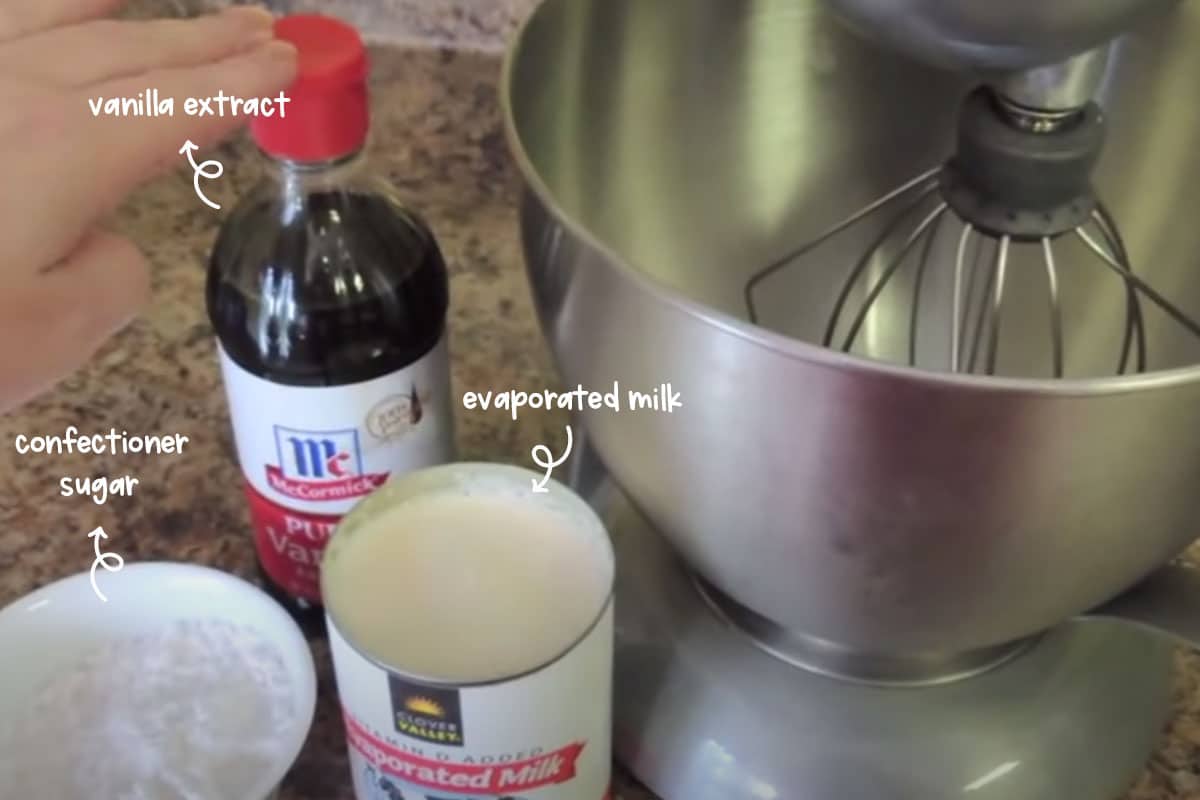 Can You Freeze Evaporated Milk? What to Do with Leftover Milk - The
Now, a quick reality check: evaporated milk isn’t the same as sweetened condensed milk. We’re talking unsweetened, concentrated cow’s milk here. If you freeze sweetened condensed milk, you’re basically making a sugar-laden brick that defies thawing logic—don’t do it unless you love sticky surprises.
Here’s a little secret for the brave: you can cook with frozen evaporated milk without even thawing it. Need a last-minute creamy pasta sauce? Grate the frozen milk directly into your pan, and let it melt like a happy snowflake of dairy. Boom. Dinner is saved, and you look like a kitchen wizard.
 Can You Freeze Evaporated Milk
So, to recap: Yes, you can freeze evaporated milk. Yes, it’s safe for up to six months. And yes, it might look a little funky when it wakes up—but a good whisk and a sense of humor will fix that. The freezer isn’t just for leftover pizza and regrets; it’s a timeout for ingredients that deserve a second chance.
And isn’t that a lovely thought? Life, like evaporated milk, can get a little separated sometimes. But with a little warmth, a little shaking up, and a lot of love, it comes back together into something rich, comforting, and totally worth holding onto. So go ahead—freeze that milk, stash it away, and know that whenever you need it, creamy, dreamy goodness is just a thaw away. Your future self will literally clap with joy. (Or at least nod approvingly while sipping a perfectly silky latte.)
