How Long Can Tuna Last In The Fridge

Picture this: You’re staring into the fridge. A half-opened can of tuna sits there, looking back at you. Should you eat it? Or is it a science experiment now? Let’s get real....
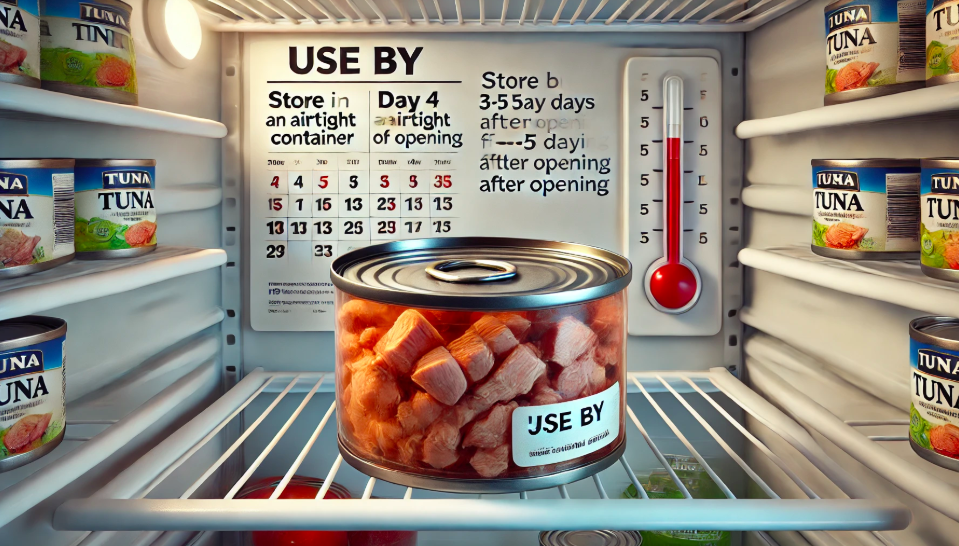
Picture this: You’re staring into the fridge. A half-opened can of tuna sits there, looking back at you. Should you eat it? Or is it a science experiment now?
Let’s get real. That canned tuna isn’t immortal once opened. It’s a different beast from the sealed, shelf-stable warrior you bought at the store. Once air hits it, the clock starts ticking.
The golden rule? Three to four days. That’s it. Your fridge gives you a tiny window of delicious opportunity. After that, the tuna starts plotting against your stomach.
Must Read
The Great Refrigerator Showdown
Here’s the weird part: The tuna doesn’t care if it’s in oil or water. Both spoil at the same speed. Oil might feel fancier, but bacteria don’t discriminate.
But wait — there’s a twist. If you leave the tuna in the metal can (don’t do it!), it will develop a metallic taste in hours. Your fridge becomes a flavor assassin. Always transfer it to a glass or plastic container. Your taste buds will thank you.
Fun fact: Tuna is like that friend who’s cool until they’re not. The first day? Amazing. Day three? Edible but sketchy. Day four? Russian roulette.
Smell, See, Trust, Flee
Your nose is a lie detector for tuna truth. If it smells “fishy” — not ocean-fresh, but funky — toss it. Fresh tuna smells mild, almost sweet. Bad tuna smells like a pirate’s armpit.
Look for slime. Yes, slime. If the tuna feels slick or sticky on your fingers, it’s hosting a bacterial party. You’re not invited. Throw it away.
And if you see mold? Don’t be a hero. Mold on tuna is like a flashing neon sign: “Danger! Do not eat!” It’s rare, but possible. That’s your cue to order pizza.
The Secret Life of Canned Tuna
Canned tuna is already cooked during the canning process. That’s its superpower. But once opened, it becomes vulnerable. Oxygen, moisture, and fridge smells attack it. It’s like a superhero who loses powers in a phone booth.
Quirky truth: Tuna is a nitrogen ninja. The can is often sealed with nitrogen to prevent spoilage. No oxygen inside = eternal shelf life. Open the can? The ninja vanishes, and decay begins.
Ever notice how opened tuna gets a weird white film? That’s not slime — it’s congealed protein from the tuna’s natural fats. Still safe on day one. By day four? It’s a texture crime.
Can You Freeze Tuna? Oh, Yes
Your fridge is a short-term rental. The freezer is forever. Leftover tuna can chill out in the freezer for up to three months. Just wrap it tight in plastic wrap, then foil. No air bubbles allowed.
Defrost it in the fridge overnight. The texture gets a bit soggy — not ideal for salads, but perfect for tuna melts or casseroles. It’s a second chance at tuna glory.
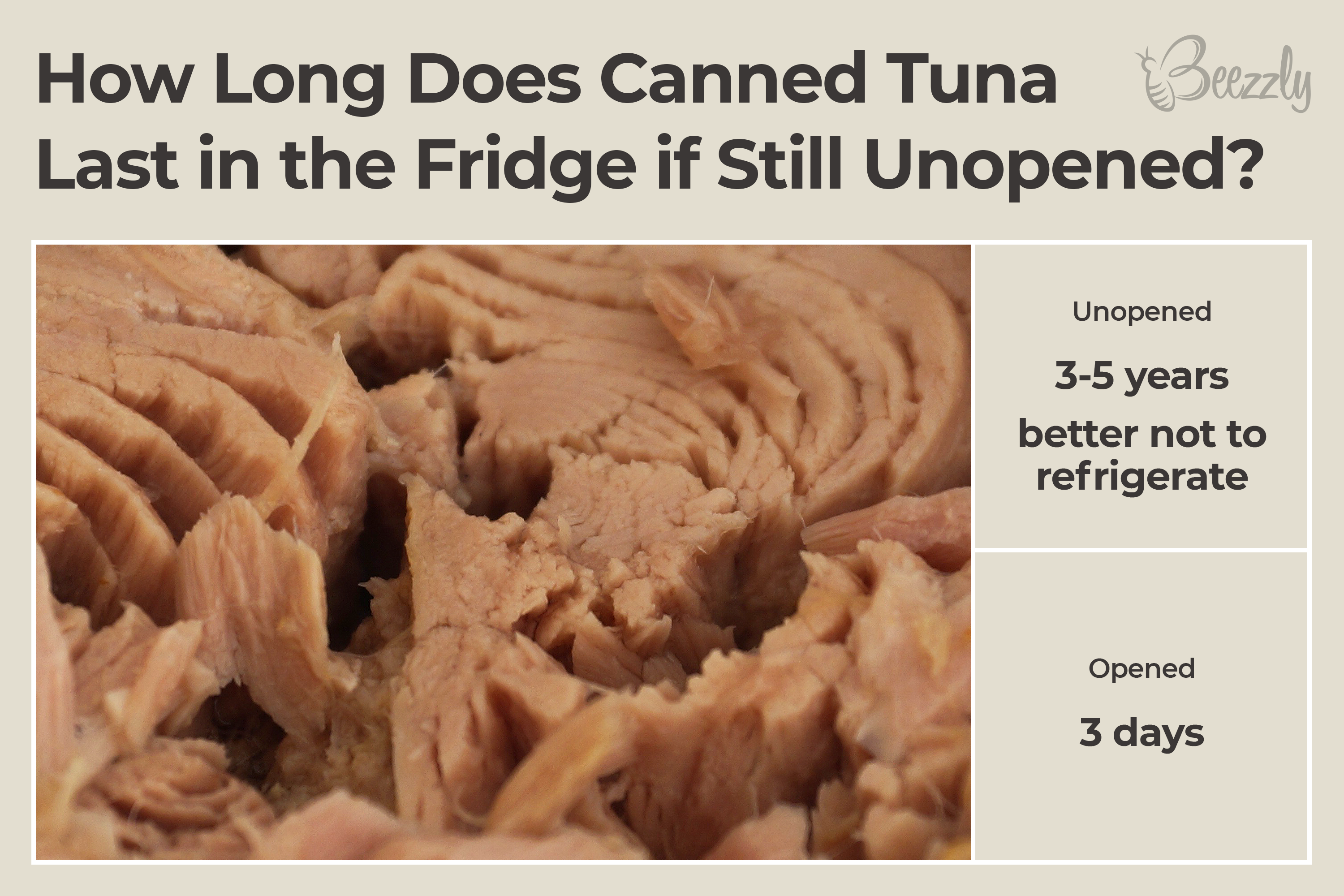 15 Ways How To Tell If Canned Tuna Is Bad – Beezzly
But here’s the kicker: Never refreeze thawed tuna. That’s a one-way ticket to Mush City, population: your trash can.
The Real Danger Zone
Your fridge runs around 40°F (4°C). That’s cold enough to slow bacteria, not stop them. If your fridge is warmer — say, 45°F — your tuna’s lifespan drops to two days max. Get a fridge thermometer. It’s cheaper than a stomach pump.
What about leftover tuna salad? Mayo adds a new problem. Mayo-based tuna salad lasts only 3 to 4 days total. The mayo speeds up spoilage. It’s like adding gasoline to a campfire.
When Curiosity Killed the Cat (and Your Lunch)
Listen, I get it. You’re hungry. You’re lazy. You think, “It’s just canned fish. How bad could it be?” Very bad. Spoiled tuna can cause scombroid poisoning — a histamine reaction that feels like an allergic freakout. Flushing, headache, the works. Not fun.
Your body will tell you something’s wrong. Trust it. If the tuna tastes bitter, sour, or “off” after one bite, spit it out. No shame in survival.
The Grand Tuna Timeline
Let’s recap with a cheat code: Day 0-1: Peak tuna. Eat proudly. Day 2: Still good, but use soon. Day 3: Risky business. Smell check required. Day 4: Trash. No exceptions.
Pro tip: Write the date on the container with a marker. Your future self will high-five you. Or at least not have a panic attack over soggy fish.
Why This Topic Is Weirdly Fun
Think about it: A metal can holds a fish that swam in the ocean years ago. It survived canning, shipping, and your pantry. Then it opens, and suddenly it’s a race against time. That’s kind of epic.
Tuna is the poster child of fridge ethics. It forces you to make decisions. Eat now? Save for later? Freeze? It’s like a tiny, edible choose-your-own-adventure book.
So next time you pop a can, remember: You’ve got three days to win this tuna game. Use your senses. Respect the clock. And maybe buy extra cans — because tuna delays are the worst kind of disappointment.
Stay curious. Stay safe. And never eat day-four tuna.
