How Long Can Tuna Be In The Fridge

There’s something oddly satisfying about having a can of tuna in the pantry—a quiet hero ready to rescue you from a hungry afternoon or a last-minute lunch. Figuring out how l...
There’s something oddly satisfying about having a can of tuna in the pantry—a quiet hero ready to rescue you from a hungry afternoon or a last-minute lunch. Figuring out how long that tuna can hang out in the fridge after you’ve opened it feels like unlocking a small, practical win in daily life. This topic is widely appreciated because it saves you from food waste, keeps your meals safe, and lets you enjoy that classic tuna salad without a side of worry. Whether you’re a busy parent packing school lunches, a student whipping up a quick sandwich, or a home cook prepping for the week, knowing this simple timeline is a game-changer. It’s the kind of know-how that makes your kitchen feel less like a guessing game and more like a well-oiled machine.
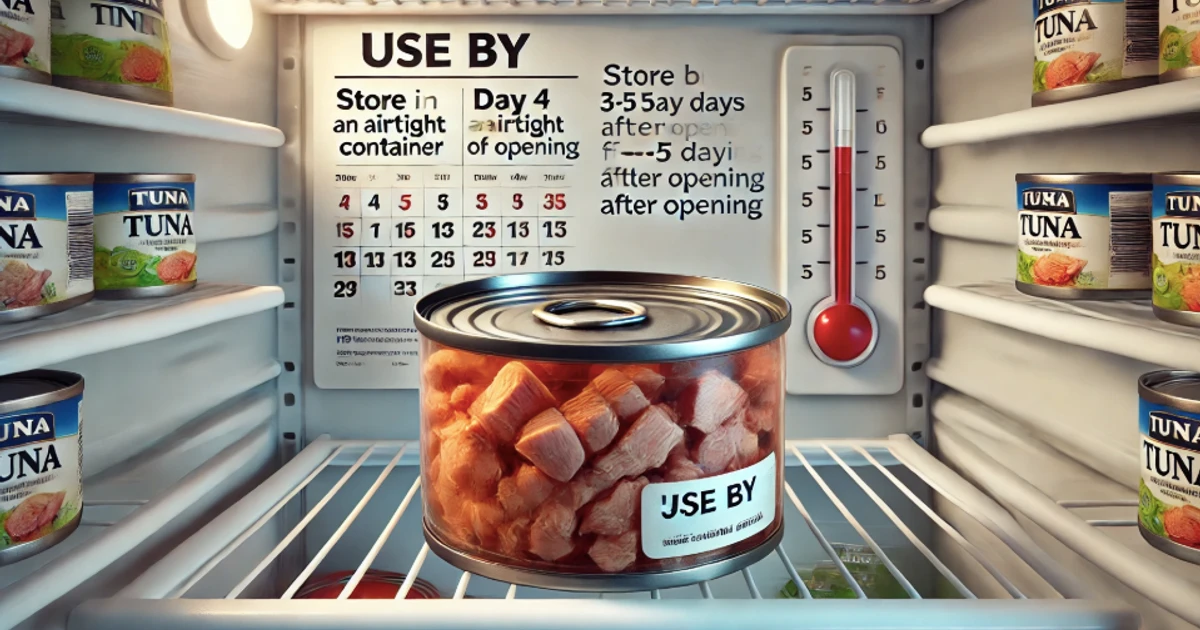
So, let’s cut to the chase: after you’ve opened a can of tuna and drained it, your fridge gives you a solid three to four days to use it up. That’s the safe window recommended by food safety experts, including the USDA. Think of it as a friendly deadline that keeps your tuna tasting fresh and your stomach happy. If you’ve mixed the tuna with mayo or other ingredients, that timer doesn’t exactly reset—it still ticks along from the moment you opened the can. The key here is to store it in an airtight container right after opening. That little step makes a huge difference because it keeps the tuna from drying out or picking up weird odors from leftover spaghetti or that stray garlic clove in the fridge.
But what about the common variations? You’ll find tuna packed in water, oil, or even with added flavors like lemon pepper or chili. The good news? The fridge timeline stays the same regardless of the packing liquid—three to four days after opening. That oil or water helps preserve texture, but it doesn’t extend the safety window. I’ve seen folks leave an open can in the fridge, thinking the metal container protects it—don’t do that. Always transfer the leftover tuna into a glass or plastic container with a tight lid. This simple shift prevents any metallic aftertaste and keeps the tuna from oxidizing too fast. If you’ve bought those fancy pouches of tuna, the same rule applies; once opened, treat them like a can and use them within that same window.
Must Read
Now, let’s talk about making the most of those precious three to four days. One of the best tips is to portion out the tuna right after you open it. For example, if you have a standard 5-ounce can, divide it into two or three small containers—one for a quick lunch tomorrow, another for a dinner on day two, and maybe a third for an emergency snack. This way, you’re not opening and closing a big container every day, which keeps the tuna fresher and discourages you from forgetting about it in the back of the shelf. Pair those portions with a sticky note on the lid that says the date you opened it, and you’ll never play the “sniff test” again. It’s a small habit that cuts down on food waste and the guilt of tossing out perfectly good tuna.
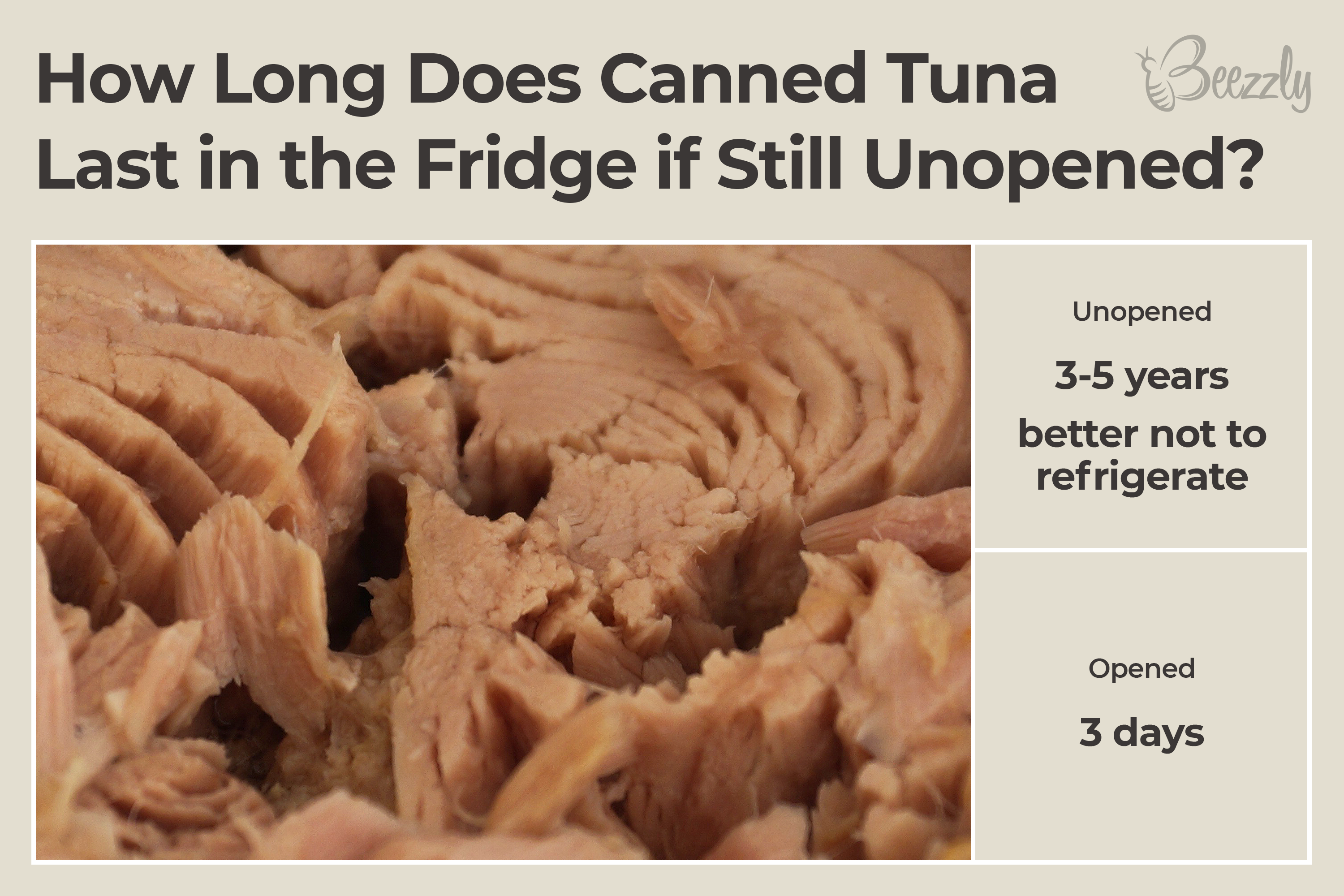 15 Ways How To Tell If Canned Tuna Is Bad – Beezzly
Of course, life happens, and sometimes you end up with more tuna than you can eat in a few days. Here’s where freezing comes to the rescue. Yes, you can freeze opened canned tuna—just drain it thoroughly, pack it into a freezer-safe bag or container, and press out as much air as possible. It’ll keep well for about two months in the freezer, though the texture might soften a bit once thawed. Use frozen tuna in casseroles, patties, or mixed dishes where the texture isn’t as noticeable. Thaw it overnight in the fridge, and you’ll still have a safe, tasty ingredient on hand. This trick is a lifesaver for meal preppers who want to stock up on sales or avoid midweek trips to the store.
Lastly, trust your senses—they’re your best backup. If your fridge tuna starts to smell more “fishy” than usual, or you spot any slime or discoloration, throw it out without hesitation. These are red flags that bacteria have moved in, even if it hasn’t been four full days. Food safety isn’t about being paranoid; it’s about being practical and confident. By keeping an eye on the clock and using smart storage habits, you can enjoy that tuna salad, melt, or simple wrap with zero stress. So go ahead, crack open that can, and rest easy knowing exactly how long your fridge has your back.
