How Long Can Sushi Sit Out At Room Temperature

There’s something uniquely satisfying about a perfectly crafted sushi roll—the cool, vinegared rice, the silky slice of fish, the bright pop of pickled ginger. It’s a food tha...
There’s something uniquely satisfying about a perfectly crafted sushi roll—the cool, vinegared rice, the silky slice of fish, the bright pop of pickled ginger. It’s a food that feels both artful and approachable, which is why it’s such a favorite for quick lunches, dinner parties, or late-night grocery store grabs. But here’s the practical question that often buzzes in the back of our minds: how long can sushi actually sit out at room temperature? Getting this right isn’t just about food safety; it’s about preserving that delicate, delicious experience. Whether you’re hosting a sushi-making night, picking up a platter for the office, or packing leftovers from your favorite spot, knowing the simple science behind sushi’s lifespan saves you worry and waste.
The short, no-nonsense answer is this: sushi should not be left at room temperature for more than two hours. This is the gold standard recommended by the U.S. Department of Agriculture for any perishable food. After that window, bacteria like Staphylococcus aureus and Bacillus cereus can multiply to levels that might make you regret that second roll. The problem is especially sneaky with sushi because the rice is moist and starchy—a perfect breeding ground—and the raw or cooked fish adds protein for the bugs to feast on. Even if it looks and smells fine, the risk climbs sharply after that two-hour mark.
It’s worth noting that not all sushi is created equal in this race against time. Nigiri (fish over rice) and sashimi (just raw fish) are the most vulnerable—they’re basically protein left out in the open. Maki rolls with cooked ingredients, like tempura shrimp or crab sticks, hold up a bit better but don’t get a pass; they still hit that two-hour limit. And anything with creamy sauces, like spicy mayo or avocado, spoils faster because of the added moisture and dairy. The common thread? The moment sushi leaves the fridge or the countertop after being professionally made, the clock is ticking.
Must Read
So, what about that sushi you bought at the grocery store or from a delivery app? Here’s where it gets practical: if you’re not going to eat it within two hours of purchase, pop it straight into the fridge. Many grocery stores store sushi under refrigeration, but once it hits room temperature during your commute home, you’ve lost time. A great rule of thumb is to plan ahead. If you’re bringing sushi to a picnic or a potluck, carry it in a cooler with an ice pack, and keep it chilled until serving. And please, don’t leave it on the counter for a “snack later” while you finish a movie—that’s a gentle invitation for bacteria to move in.
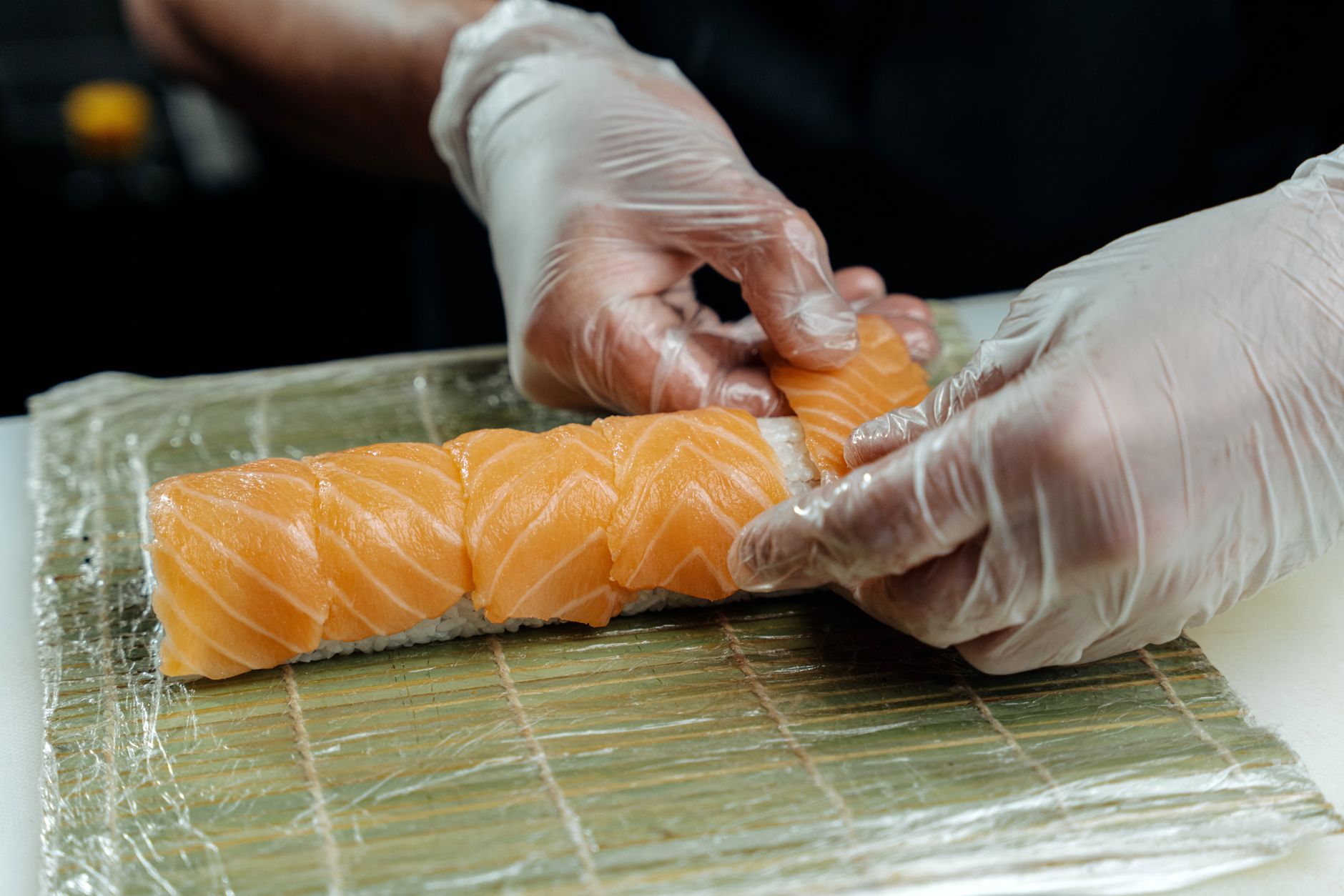
For those who love making sushi at home, the timeline gets a little more flexible—but only if you’re smart about it. Homemade sushi often sits out during the rolling process, which can take 30 to 40 minutes. That’s fine, as long as you serve it immediately after finishing. But if you’re making a large batch for a party, use a simple tactic: assemble the sushi in batches, keep the unused rice and fish in the fridge, and only put out what people are actively eating. An ice tray under the serving platter can also help keep things cool for an hour or so, buying you a bit more peace of mind.
 How Long Does Sushi Sit Out And Does It Go Bad?
If you do find yourself with leftover sushi that’s been sitting out for a while, the safest move is to toss it. I know, it feels wasteful—especially when that spicy tuna roll cost six dollars—but food poisoning is a far bigger loss. The exception? Sushi that’s been continuously refrigerated can last about 24 hours, though the texture suffers. The rice gets hard, the nori (seaweed) turns chewy, and the fish loses its delicate mouthfeel. So, if you want to enjoy sushi at its best, treat it like a fresh flower: admire it, eat it, and don’t let it linger on the table too long.
Ultimately, mastering sushi storage is less about rules and more about building a reliable habit. Plan your meal, eat within two hours, and when in doubt, chill it out. Whether you’re a sushi newbie or a seasoned aficionado, respecting those timelines lets you enjoy every bite without worry. And isn’t that the whole point—good food, shared easily, with nothing but pleasure on the menu?
