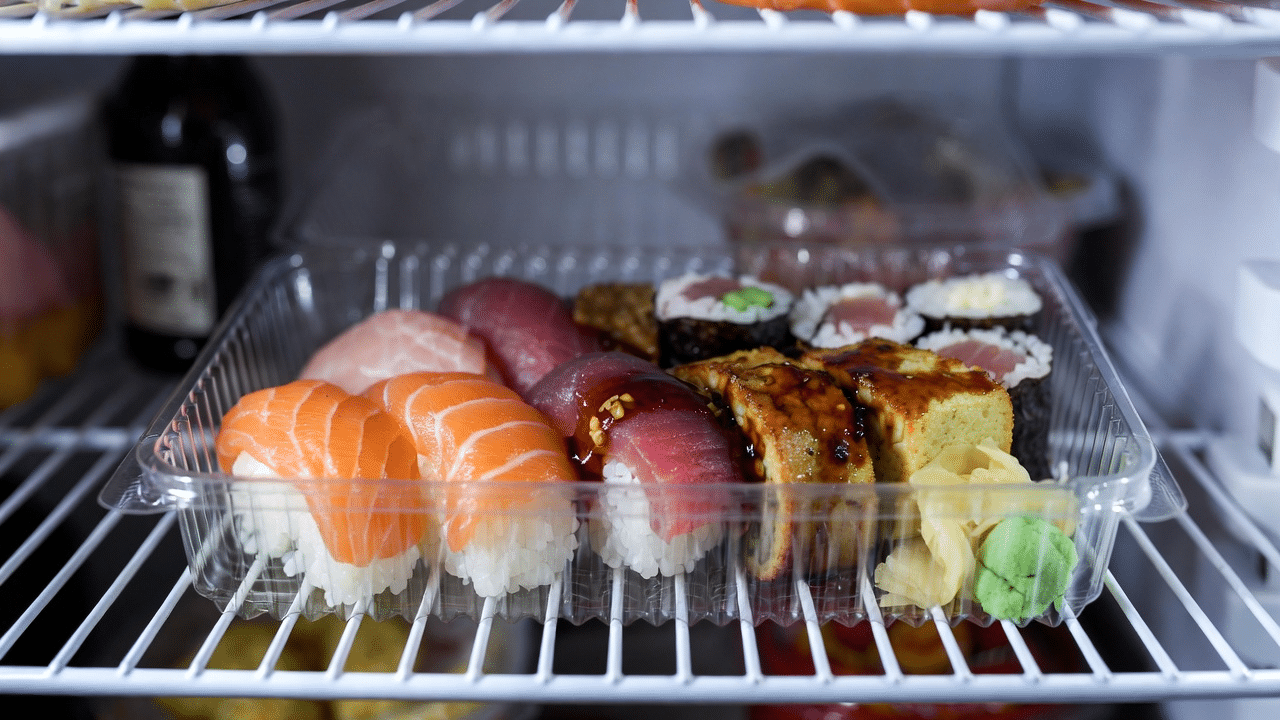
How Long Can Sushi Be Left At Room Temperature

There is a unique magic in the ritual of enjoying sushi—the delicate balance of seasoned rice, the silky freshness of raw fish, and the sharp bite of wasabi. For many, it repr...

There is a unique magic in the ritual of enjoying sushi—the delicate balance of seasoned rice, the silky freshness of raw fish, and the sharp bite of wasabi. For many, it represents a perfect meal: convenient, elegant, and deeply satisfying. Whether picked up from a neighborhood market, delivered on a Friday night, or carefully pressed at home, sushi is valued for its immediate pleasure. Its key purpose is to be eaten fresh, ideally moments after preparation, because that is when the textures and flavors are at their peak. Understanding how long it can safely sit out is not just about food safety; it is about preserving that intended experience and protecting your well-being.
The straightforward answer to the question, "How long can sushi be left at room temperature?" is a firm two hours. According to the U.S. Food and Drug Administration (FDA) and food safety experts, perishable foods should not be kept in the "danger zone"—between 40°F and 140°F—for longer than that. After two hours, bacteria like Staphylococcus aureus and Bacillus cereus can multiply to dangerous levels. Raw fish is particularly vulnerable, but the seasoned rice is also a surprisingly fertile environment for bacterial growth, as its moisture and starch content create an ideal breeding ground when left out.
The clock starts ticking the moment the sushi is taken out of refrigeration. Imagine you are hosting a small gathering: you order a large platter, and your guests gradually pick at it over an afternoon. Someone may go back for a third piece of salmon nigiri two and a half hours later. That piece is now a calculated risk. The same applies to a lunchbox left on your desk. If you take your sushi rolls out at noon but get distracted by a meeting, and then eat your last piece after 2:15 P.M., you have likely crossed the safe window. The ambient temperature also matters: on a hot summer day, the two-hour limit shrinks to just one hour if the sushi is left in a warm room or direct sunlight.
Must Read
The greatest misconception is that "refrigeration fixes everything" once sushi has been sitting out. If your sushi has been on the counter for an hour and a half, you might be tempted to pop it back in the fridge to "save" it for later. This is a dangerous gamble. While the initial bacteria count is low, some bacteria produce heat-stable toxins that refrigeration does not neutralize. Once those toxins form, no amount of chilling or even microwaving will make the sushi safe. The only safe approach is to adhere strictly to the two-hour rule: if you have not eaten it within that time, discard it. This is especially critical for children, pregnant women, the elderly, and anyone with a compromised immune system.
For everyday life, the key is mindful planning. Instead of leaving an entire platter out, practice small-batch serving. Picture a casual sushi night at home: bring out only six pieces per person at a time, leaving the rest in the refrigerator. When those are finished, you can retrieve the next round. This keeps the majority of your meal fresh and safe while mimicking the pace of a proper sushi bar. Similarly, if you are taking sushi to a picnic or park, store it in a cooler with an ice pack and only take out the pieces you intend to eat immediately. The benefits of planning are clear—you avoid waste, save money, and eliminate the anxiety of "will this make me sick?"
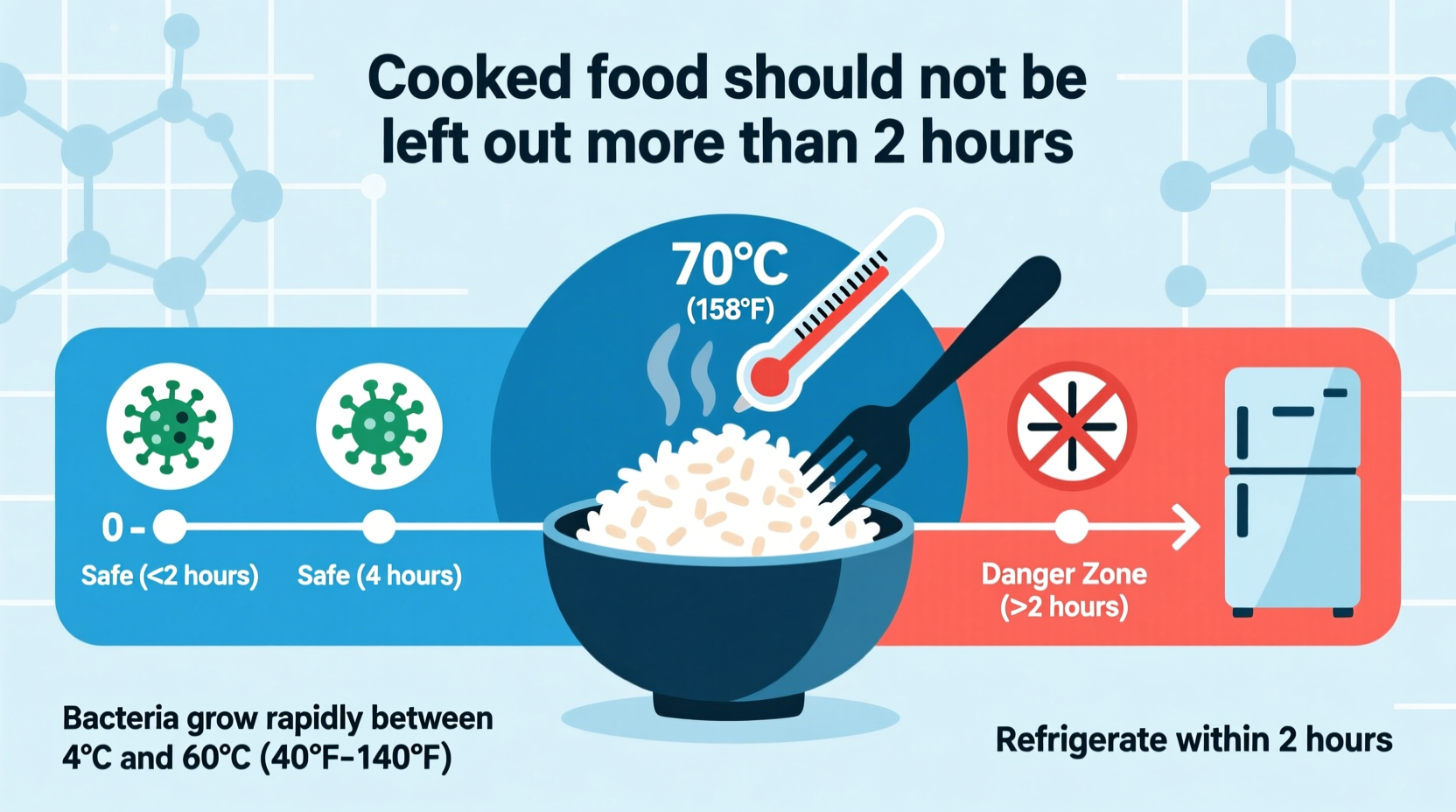 How Long Can Food Sit Out Before It Goes Bad | TAFT Independent
A simple, everyday tip is to rely on your senses as a secondary check, but never as a replacement for time. If sushi has been out for more than two hours, do not taste it to decide if it is safe. However, if you are within the safe window, note any changes: the rice may become hard or dry, the fish might develop a glossy or sticky film, or there may be an unusual sour or "off" smell. These are signs that the sushi has degraded in quality and may be nearing unsafe conditions. It is always better to err on the side of caution. If you are ever in doubt, throw it out—a moment of disappointment is far better than a night of food poisoning.
To explore the safer enjoyment of sushi on your own, start by investing in an inexpensive refrigerator thermometer to confirm your fridge is at or below 40°F. This ensures that when you buy sushi for later, it stays safe before you even take it out. Another tip is to order strategically: if you know you will not eat immediately, choose cooked varieties like tempura rolls or unagi (broiled eel), which have a slightly better tolerance than raw fish, though they still obey the two-hour rule. Finally, consider making your own sushi at home; you can control exactly how fresh the ingredients are, prepare only what you will eat, and eliminate the guesswork of "how long has this been sitting?"