How Long Can Scrambled Eggs Stay In The Fridge

Let’s be real: scrambled eggs are the unsung hero of the quick, satisfying meal. Whether you’re a busy parent feeding a hungry crew before school, a college student surviving...
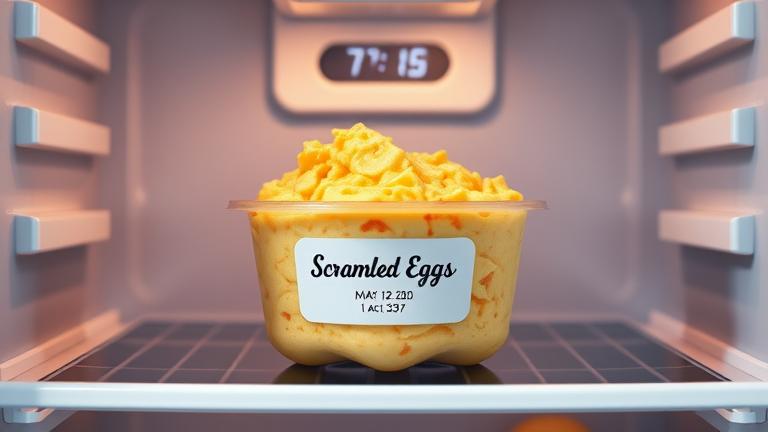
Let’s be real: scrambled eggs are the unsung hero of the quick, satisfying meal. Whether you’re a busy parent feeding a hungry crew before school, a college student surviving on leftovers, or just someone who meal-preps for a hectic week, these fluffy, buttery curds are a lifesaver. But here’s the million-dollar question—how long can you actually keep them in the fridge before they turn into a science experiment? The answer matters because wasting food is a total buzzkill, and nobody wants to risk a bad stomach for the sake of convenience. Knowing this simple rule can save you money, time, and a whole lot of regret.
Why does this even matter? For starters, it’s about safety. Foodborne illness is no joke, and scrambled eggs are a prime playground for bacteria like Salmonella if left to their own devices. For families, this means avoiding a night of sticky floors and frantic trips to the bathroom. For communities, it’s about reducing food waste—when you know exactly how long those eggs are good, you’re less likely to toss them out of panic and more likely to actually eat them. Plus, it’s a budget-friendly move: why buy fresh eggs every day when a single batch can stretch across a few meals?
Picture this: you’ve just made a massive pan of scrambled eggs for Sunday brunch. The kids ate half, and now you’ve got a generous portion left. Instead of trashing it, you pop it in a container and slide it onto the fridge shelf. Monday morning—you reheat those eggs in a microwave and toss them into a warm tortilla for a breakfast burrito on the go. Tuesday lunch—they become a quick protein-packed topping for a salad. By Wednesday, though, that container starts looking suspect. That’s where the real-world deadline kicks in.
Must Read
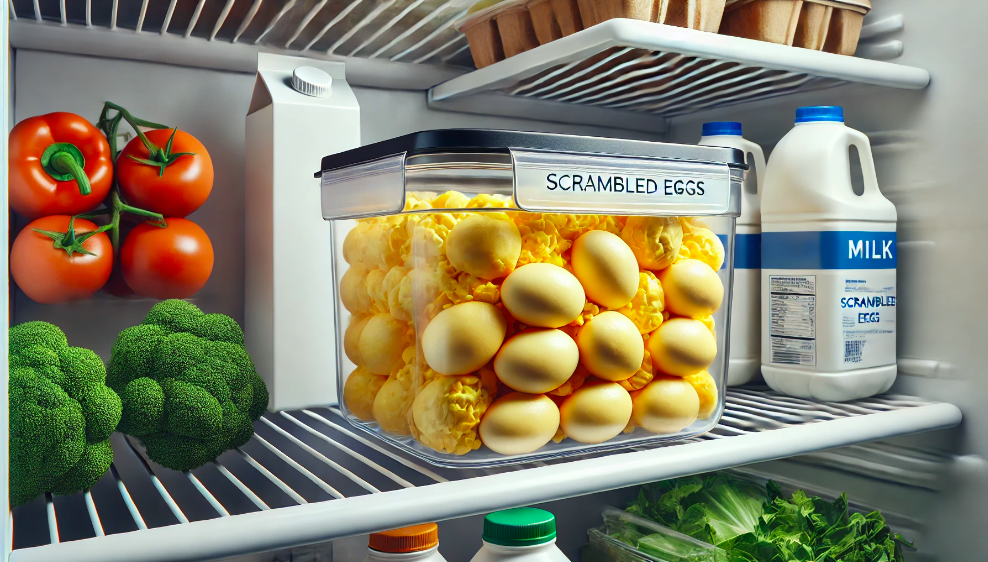
So, let’s get to the nitty-gritty: scrambled eggs are good in the fridge for three to four days, max. That’s the golden window, according to food safety guidelines. After day four, the texture gets rubbery, the smell shifts, and the risk of bacterial growth spikes. But here’s the kicker: it’s not just the clock—it’s about how you store them. Always cool them to room temperature (within two hours, no lingering), then seal them in an airtight container. Moisture is the enemy, so pat them dry if they look sweaty before shoving them in. And please—don’t be a hero tasting them if they’ve been in there for five or six days. Trust your nose: if it smells like wet socks, it’s time to say goodbye.
 How long can scrambled eggs stay in the fridge? Here's what to know
Now, for some smart, practical hacks. First, portion control is your friend. Instead of dumping all leftover eggs into one giant tub, split them into smaller containers—one per meal. This way, you’re not reheating the whole batch every time, which dries them out and invites contamination. Second, add a little moisture shield: a tiny pat of butter or a splash of milk stirred in right before storage can keep them from turning into rubbery clumps. Third, label the container with the date you cooked them—sharpie on masking tape works wonders. That way, you never play the guessing game of “Did I cook these Tuesday or Thursday?”
Real life examples drive this home. My friend Jen, a busy nurse, cooks a dozen eggs every Sunday and divides them into four-day portions. She tosses them into stir-fry, breakfast bowls, or even cold on crackers for a desk lunch. She swears by the three-day rule and has never had a bad batch. On the flip side, I once had a roommate who proudly ate week-old scrambled eggs “to prove a point”—let’s just say he spent the next 24 hours hugging a toilet. So yes, those three to four days are a hard limit, not a suggestion.
 How Long Does Scrambled Eggs Last In The Fridge?
Here’s one final tip: if you’re a meal-prepper, consider freezing them. Scrambled eggs freeze surprisingly well for up to a month. Just let them cool completely, then scoop into a freezer bag, flatten it, and thaw in the fridge overnight. They’ll lose a bit of that fluffy magic, but they’re perfect for tossing into fried rice or a savory oatmeal mix. That’s a game-changer for families who want to stretch bulk cooking without daily drama.
So, what’s the takeaway? Scrambled eggs are a delicious, versatile ally in your fridge—but they’re not immortal. Stick to the three-to-four-day window, store them smart, and you’ll enjoy every last bite without worry. Whether you’re feeding a hungry household or just yourself on a lazy Tuesday, this little fact keeps your meals safe, your wallet happy, and your kitchen waste minimal. Go ahead, scramble with confidence—and sleep easy knowing you’ve got the refresh date covered.
