How Long Can A Cat Live On Subcutaneous Fluids

So, your vet has suggested subcutaneous fluids for your cat, and now you’re wondering, “How long can she actually live on this?” It’s a fair question, and one that pops up whe...

So, your vet has suggested subcutaneous fluids for your cat, and now you’re wondering, “How long can she actually live on this?” It’s a fair question, and one that pops up when our furry friends get a little older or a little more fragile. Think of it like giving your cat a gentle, constant sip of water instead of forcing her to drink a whole bowl at once.
Let’s Start With a Little Story
Imagine your cat is like a houseplant that needs a steady drink, but the soil is a bit stubborn. You wouldn’t dump a whole watering can on it—you’d trickle water into the saucer underneath, letting the roots soak it up slowly. Subcutaneous fluids work the same way: they’re a slow, steady reservoir under the skin that your cat’s body absorbs over hours.
My own cat, Whiskers, hated drinking from her bowl. She’d rather stare at it like it insulted her ancestors. After a kidney scare, the vet taught me to give her fluids twice a week. It wasn’t a miracle cure—but it bought her months of good, purring days.
Must Read
So, How Long Are We Talking?
Here’s the straight answer: subcutaneous fluids don’t “add time” to a cat’s life like a battery pack. Instead, they improve the quality of whatever time she has left. For a cat with chronic kidney disease (the most common reason for fluids), many live comfortably for months to years with regular fluid therapy.
One study suggests cats on fluids for moderate kidney failure often survive 2 to 3 years after diagnosis. Another cat, with more advanced disease, might get 6 to 12 good months. It’s not about the fluids themselves—it’s about what they fix: dehydration, nausea, and fatigue that make a cat feel awful.
When Fluids Are a Lifeline, Not a Cure
Picture this: your cat’s kidneys are like a coffee filter that’s getting clogged. Fluids are like pouring warm water through that filter to keep it flowing. The fluids flush out toxins that build up when kidneys struggle, and that can stop your cat from feeling like she has a constant hangover.
I remember giving Whiskers her fluids while watching TV. She’d sit on a towel, look at me like I was a lunatic, then curl up and sleep deeply for the first time in days. That’s the point—not just living longer, but living without being miserable.
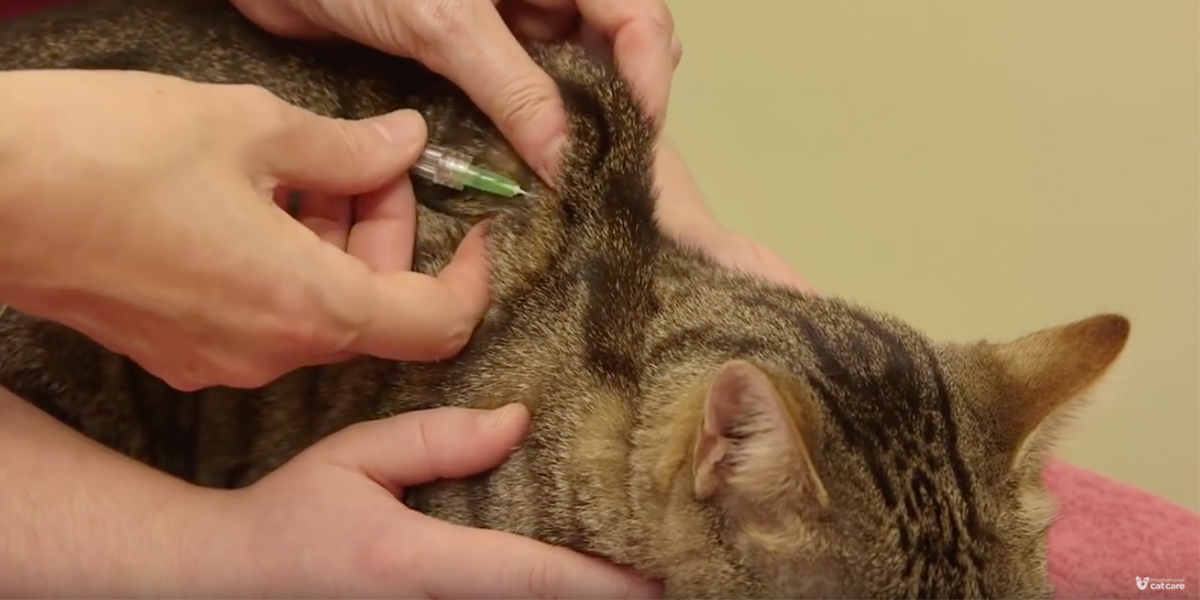 How Long Can A Cat Live on Subcutaneous Fluids
The Real Answer: It Depends on the Cat
Let’s be real—there’s no single number. A cat with acute kidney failure might only need fluids for a few days or weeks. A cat with stable chronic kidney disease might get them for years. The key is why your cat needs fluids in the first place.
If it’s for kidney disease, diabetes, or a temporary illness like a stomach bug, fluids are a tool, not a timer. Think of it like a human on IV fluids after a bad flu—you don’t live “on” the IV; you live because it helps you recover.
A Little Reality Check (But Make It Gentle)
Here’s the warm, honest truth: subcutaneous fluids won’t stop the underlying disease. They’re like a friend holding your hand while you climb a steep hill. They make the climb possible, but the hill is still there.
Eventually, even with fluids, your cat’s body may reach a point where it says, “I’m tired.” That’s when you might switch to comfort care at home. But until then, those little fluid bags can buy you extra sunbeam naps, extra chin scratches, and extra mornings of that loud, rusty purr.
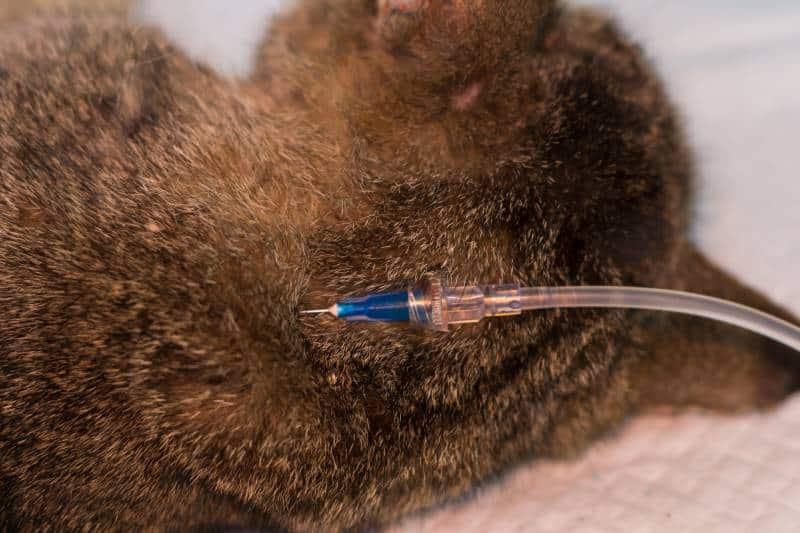 How Long Can A Cat Live on Subcutaneous Fluids
How to Put This Into Everyday Life
You don’t need to be a math genius or a vet to figure this out. Just watch your cat: is she eating? Grooming? Peeing normally? Does she still greet you with a head-butt? If yes, the fluids are working. If she starts hiding, stops eating, or seems in pain, then it’s time for a vet check.
One friend of mine gives her cat fluids every other day. That cat is 19 years old and still steals butter off the counter. Nineteen. The fluids didn’t give her that age—they gave her the energy to be a little butter thief.
So, Should You Worry About the Number?
Not really. Worry about the now. Your cat isn’t counting days; she’s counting purrs, treats, and warm laps. The fluids let her enjoy those things longer without feeling like she’s wading through mud.
I’ll leave you with this: Whiskers lived another 18 months after we started fluids. Was it a long time? To me, no. But to her? She got to boss me around for 18 more months, sleep on my keyboard, and remind me that life is best lived slowly—one tiny fluid bag at a time. And honestly, that’s forever in cat years.
