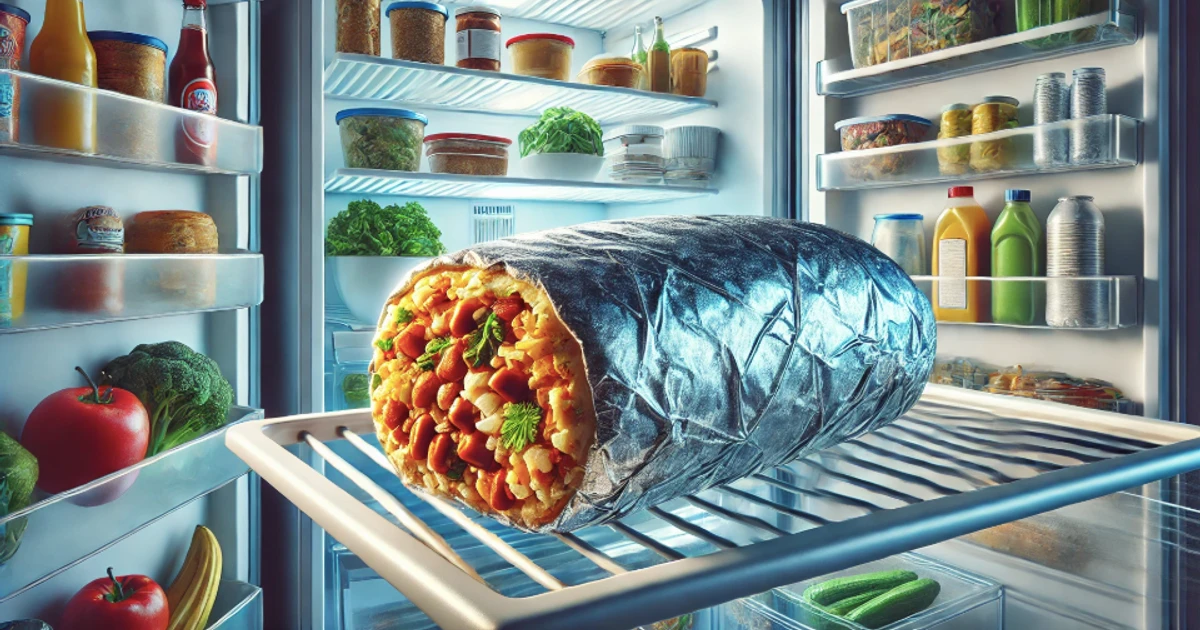
How Long Can A Burrito Stay In The Fridge

There are few culinary pleasures as simple and satisfying as a perfectly constructed burrito. Wrapped in a warm flour tortilla, it is a self-contained feast of rice, beans, me...
There are few culinary pleasures as simple and satisfying as a perfectly constructed burrito. Wrapped in a warm flour tortilla, it is a self-contained feast of rice, beans, meat, cheese, and salsa—a portable marvel that solves the eternal question of lunch. Whether it’s the last remnants of Tuesday’s dinner or a meal-prepped treasure from Sunday, the burrito holds a special place in our busy lives. Its key purpose is convenience: one hand can hold it, and it requires no plate or fork. This makes it an ideal candidate for leftovers, offering a quick, nourishing meal that feels like a treat. The benefit for everyday life is undeniable: with a good burrito in the fridge, you have an instant, satisfying answer to hunger that beats a sad desk salad every time.
But that convenience comes with a critical question: how long can a burrito actually stay in the fridge before it becomes a risk rather than a reward? The golden rule, according to the U.S. Department of Agriculture, is that cooked leftovers, including burritos, are safe to eat for three to four days when stored properly in a refrigerator at or below 40°F (4°C). This window is not arbitrary; it is based on the rapid growth rate of bacteria like Listeria and Staphylococcus aureus. After day four, the risk of foodborne illness climbs significantly, even if the burrito looks and smells fine. Pushing it to day five or six is a gamble—one you will almost certainly lose if you are unlucky.
However, not all burritos are created equal. The specific ingredients play a major role in that three-to-four-day timeline. A simple bean-and-cheese burrito, which has fewer perishable components, might hold up reasonably well until day four. But a burrito loaded with chicken, sour cream, guacamole, or fresh salsa is far more vulnerable. Dairy and avocado spoil faster, and cooked poultry is a prime breeding ground for bacteria. If your burrito contains any of these, consider it a three-day maximum for peak safety and quality. After that, the texture will also suffer—the tortilla becomes soggy, and the fillings take on a spongy, unappetizing consistency.
Must Read
One common scenario illustrates the risk perfectly: you make a large batch of burritos on a Sunday evening. You wrap each in foil and place them in the fridge. On Wednesday, you grab one for lunch—that’s day three, still safe. But what about Friday? That is day five. The burrito might still look intact, but the internal temperature and moisture levels have been inviting microbial guests. Do not rely on smell or sight alone. Pathogenic bacteria often leave no visible or olfactory trace. If you are unsure, the safest rule is simple: when in doubt, throw it out. The cost of a new burrito is far lower than a trip to the doctor.
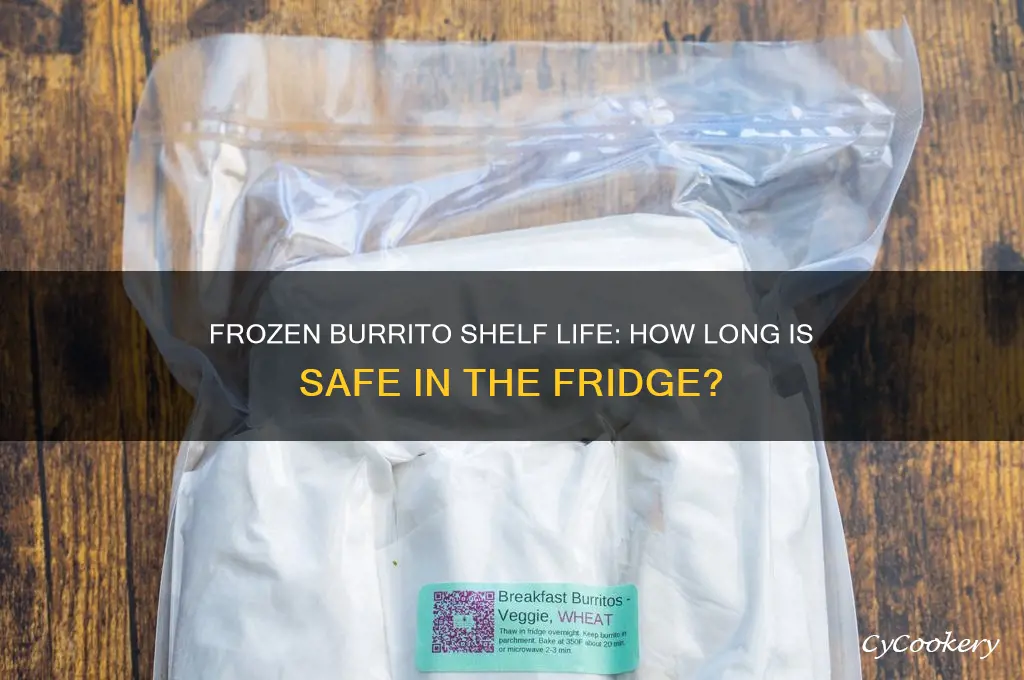
To maximize that precious three-to-four-day window, a few simple tips can make all the difference. First, always cool your burrito to room temperature—but for no more than two hours—before refrigerating. Placing a hot burrito directly in the fridge raises the internal temperature of the entire appliance, endangering other foods. Second, wrap your burrito tightly in aluminum foil or plastic wrap, then place it in an airtight container or a zip-top bag. This prevents it from absorbing odors from other foods and reduces moisture loss. Third, if you know you won’t eat it within four days, freeze it instead. A frozen burrito, properly wrapped, can last for two to three months with excellent quality. Just thaw it in the fridge overnight before reheating.
 how long do breakfast burritos last in the fridge? - Test Food Kitchen
Another key tip is to reheat thoroughly, even if the burrito is within its safe timeframe. Bacteria can survive refrigeration, and a quick microwave zap may not kill them. The best method is to unwrap the burrito, place it on a microwave-safe plate, and heat it on high for 60 to 90 seconds, then flip it and heat for another 60 seconds. For a crispier result, finish it in a hot skillet or toaster oven. Ensure the internal temperature reaches 165°F (74°C)—the gold standard for killing harmful bacteria. A food thermometer is a small investment that pays for itself in peace of mind.
Finally, consider the art of burrito assembly for longevity. If you are meal-prepping, build your burritos without the sour cream, guacamole, or fresh salsa. Store those condiments separately in small containers. When you’re ready to eat, add them fresh. This simple trick can extend the fridge life of your burrito by a day or two, because the most perishable components are kept out of the high-moisture, high-protein environment that bacteria love. You get all the flavor and convenience with none of the risk. So go ahead, embrace your inner burrito enthusiast. Just remember the four-day rule, wrap it tight, and reheat it hot. Your taste buds—and your stomach—will thank you.