How Long Boil A Whole Chicken

Welcome to the wonderfully simple world of boiled chicken! If you’ve never considered simmering a whole bird in a pot, you are in for a treat. Boiling a chicken isn’t just abo...
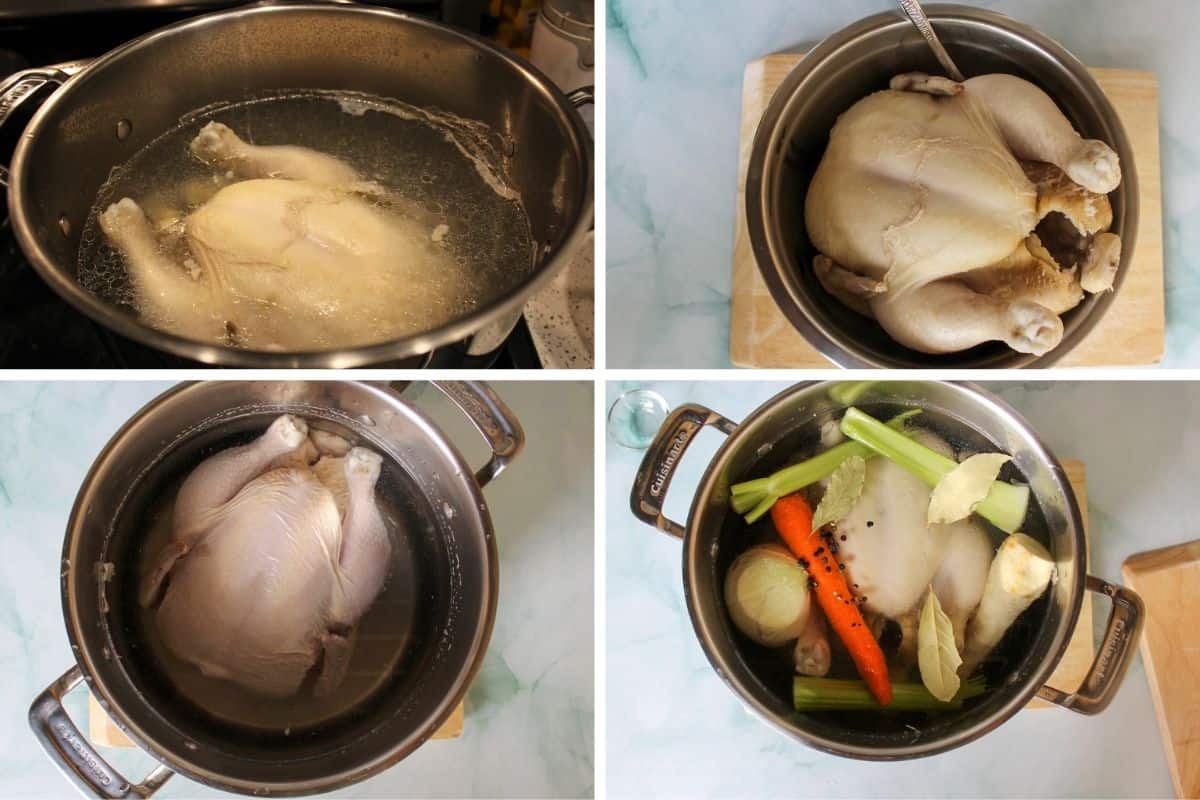
Welcome to the wonderfully simple world of boiled chicken! If you’ve never considered simmering a whole bird in a pot, you are in for a treat. Boiling a chicken isn’t just about cooking; it's about unlocking a superpower in your kitchen. You get tender, juicy meat and a rich, golden broth that becomes the foundation for soups, stews, and sauces. It’s the ultimate two-for-one deal, saving you time and money while filling your home with a comforting aroma. Whether you are meal-prepping for a busy week or crafting a cozy Sunday dinner, this method is your new best friend—no fancy equipment, just a pot, water, and a little patience.
So, how long does it actually take? For a standard 3-to-4-pound whole chicken, you’re looking at about 1 to 1.5 hours of gentle simmering. Time is the real secret here. Unlike roasting, where a few extra minutes can turn the breast dry, boiling is forgiving. You want the water at a low, lazy bubble—never a rolling boil—to keep the meat tender. A good rule of thumb is 20 minutes per pound, but start checking early. If the legs wiggle easily and the internal temperature reads 165°F (74°C) in the thickest part of the thigh, you’re done. Pro tip: once cooked, let it rest in the broth for 10 minutes before carving. That pause locks in moisture like a hug.
Now, here’s where the fun begins: flavor is an adventure. Don’t just boil the chicken in plain water. Turn the pot into a cauldron of taste. Throw in a halved onion, a few garlic cloves, a stick of celery, and a bay leaf. Want a peppery kick? Add a tablespoon of black peppercorns. For a sunny, citrusy note, toss in a lemon half—it brightens the broth and the meat. My own favorite trick: drop a handful of fresh dill or parsley into the pot in the last 20 minutes. The herbs infuse the meat with a gentle, grassy freshness. You can even go global: ginger and star anise for an Asian-inspired broth, or smoked paprika and a dried chili for a subtle warmth. Every batch becomes a new creation.
Must Read
Let’s talk about the superpower of leftover possibilities. A boiled chicken is a blank canvas. Shred the meat and you have three days of meals ready in minutes. Use it for chicken salad with grapes and walnuts, toss it into a quick stir-fry with broccoli and soy sauce, or layer it onto tacos with avocado and salsa. But the real treasure is the broth. After you remove the chicken, strain the liquid into jars. That broth, rich with gelatin from the bones, elevates any dish. Cook rice in it instead of water. Simmer lentils for a hearty soup. Freeze it in ice cube trays for quick boosts to sauces. One chicken gives you three separate ingredients: meat, stock, and (if you save the skin) crispy cracklings. That’s efficiency with a capital E.
Here’s a practical trick to switch things up: try the “poach-and-shock” method. After boiling, immediately plunge the chicken into a bowl of ice water for 10 minutes. This stops the cooking instantly, keeping the meat tender and the skin firm. Then reheat just the meat in the broth when ready to serve. It sounds odd, but it works wonders for meal prep. You can cook once, shred the cold meat, and store it without worry. The cold shock also makes peeling the skin off effortless. Another tip: salt the water generously—like, two tablespoons per gallon. Chicken needs aggressive seasoning because the water dilutes flavor. A salty bath ensures every bite is seasoned all the way through.
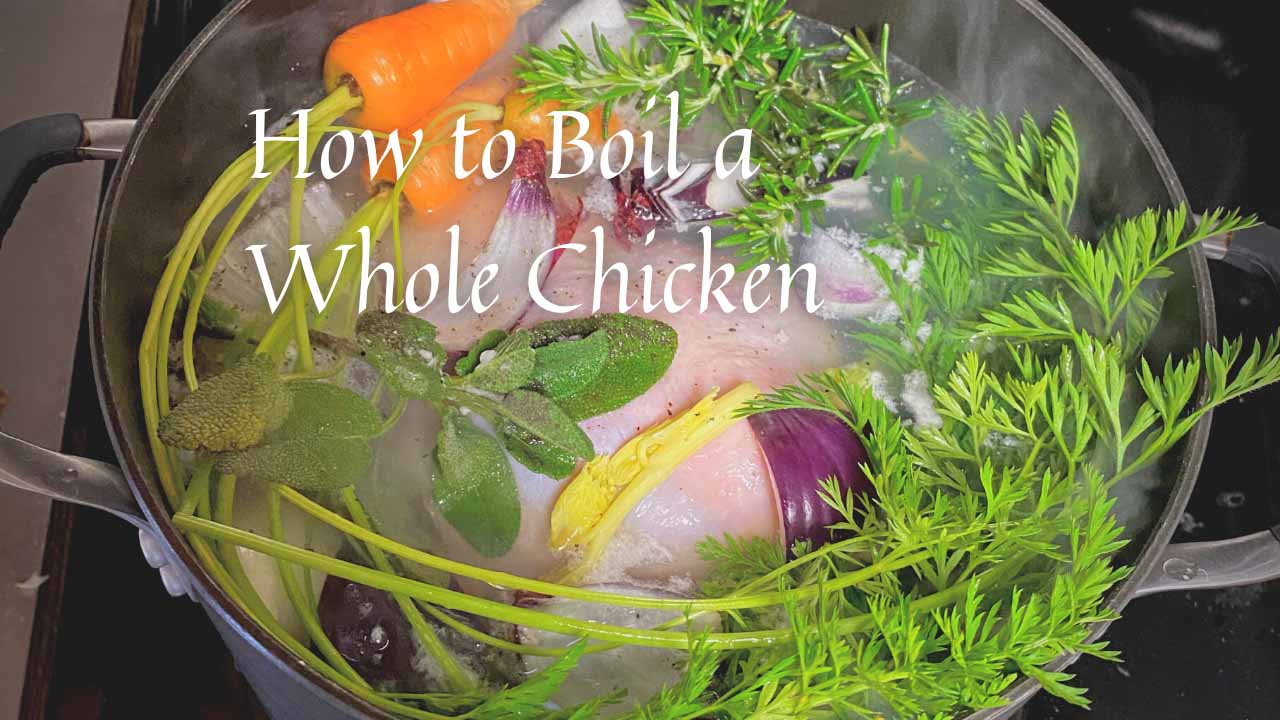 How to Boil a Whole Chicken - Marvel & Make
What about a whole chicken that’s larger, say 5 or 6 pounds? Adjust your timeline to 1.5 to 2 hours, but here’s a game-changer: cut the chicken in half or quarters before boiling. Use kitchen shears to split it down the backbone and breastbone. The pieces cook faster (about 30–40 minutes) and the broth becomes even richer because more surface area meets the water. This works brilliantly if you’re short on time. Bonus: you can remove the white meat a few minutes early to keep it from drying out, while leaving the dark meat to simmer longer. It’s like having a custom-cooked chicken, tailored to your preferences.
Finally, remember this: boiling a chicken is not a chore—it’s a ritual of abundance. The process teaches you patience, rewards you with versatility, and fills your kitchen with a sense of home. Don’t be afraid to experiment. Try adding a cinnamon stick next time. Or swap the water for apple cider for a tangy twist. The only rule is to listen to your pot—when the aroma tells you it’s ready, believe it. So grab a whole chicken, drop it into a deep pot, and let time work its magic. You’ll never look at a chicken the same way again. Happy boiling!

