How Long Are Eggs Good For After Sell By Date

Let’s be honest: we’ve all stood in front of the fridge, holding a carton of eggs, staring at that little date stamp like it’s a magic spell that will turn our breakfast into...
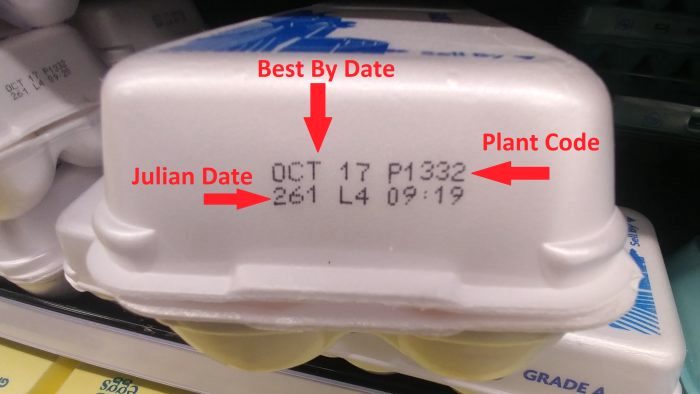
Let’s be honest: we’ve all stood in front of the fridge, holding a carton of eggs, staring at that little date stamp like it’s a magic spell that will turn our breakfast into a biohazard. You’re probably thinking, “Do I risk it? Or do I play it safe and scramble the whole omelet into the trash?” Relax, my paranoid friend. The “sell by” date is not a death sentence for your eggs; it’s more like a gentle suggestion from a very cautious, and slightly anxious, supermarket manager.
The Great Egg Loophole
Here’s the shocking truth that will make you feel like a kitchen rebel: eggs can often be perfectly good for three to five weeks after you bring them home, and sometimes even longer past that sell-by date. Yes, you read that right. The date you see is about peak quality for the retailer, not a countdown to salmonella Armageddon. Think of it this way: if eggs were action movies, the sell-by date is just the trailer—the real feature hasn’t even started yet.
That carton of eggs in your fridge might be older than last week’s leftover pizza, but it’s still chemically, structurally, and morally capable of making a killer frittata. The USDA actually says eggs can be stored in their original carton in the fridge for four to five weeks past the pack date. So unless you’re running a breakfast diner out of your kitchen, you’ve got time. Time to plan a quiche, time to boast to your neighbors, time to forget you even bought them.
Must Read
The Float Test: Not Just for Bad Ideas
But how do you know if your eggs are still on the side of good? Forget the sniff test (though your nose is a decent backup). The real hero here is the float test, an ancient ritual that requires only a bowl of cold water and a dash of courage. Gently place an egg in the water. If it sinks and lies flat on its side, congratulations—it’s a spring chicken of an egg, ready for poaching. If it stands upright on the bottom, it’s a little older but still fine for scrambling or baking.
Now, if that egg floats to the top like a tiny, pale submarine, you’ve got a problem. That’s because an eggshell is porous, and over time air seeps in, creating a little balloon of “I’ve been here too long.” A floating egg is a red alert. Crack it open and if it smells like a sulfurous ghost, toss it immediately. But don’t be dramatic—most eggs that float are still safe if they don’t smell, but you’re playing a risky game of breakfast roulette. I’d say just boil the floaters for your enemies, but that’s a discussion for another article.
Surprising Fact: Your Nose Knows (But Eyes Lie)
Here’s a weird one: a bad egg doesn’t always look bad. You might crack open a perfectly innocent-looking yolk, but your nose will hit you with a punch of rotten-sulfur warning that could clear a room. The human nose is actually more sensitive to spoiled egg aroma than any laboratory machine—we’re basically walking egg-sniffing superheroes. Trust it. If it smells like a swamp, don’t eat it. If it smells like nothing, you’re golden.
 5 Key Facts to Safeguard Your Eggs: The 2025 Guide to Use By Dates
Another surprising tidbit: the sell-by date is often set at 30 days from when the egg was laid, but eggs can last 45 days or more in the fridge. That’s almost two months of potential egg-citement! Eggs are basically the cockroaches of the breakfast world—they survive longer than you think, just without the creepy antennae. So next time you see a date that’s a week past, just whisper “not today, old friend” and proceed with confidence.
What About That Green Ring Around the Yolk?
You’ve seen it: you boil an egg, cut it open, and there’s a weird, unappetizing greenish-gray ring around the yolk. Your first instinct is to scream “poison!” and throw the whole thing in the garden. But calm down, it’s just a chemical reaction. That green ring is a sign of overcooking, not expiration. When you boil eggs too long, the iron in the yolk meets the sulfur in the white, and they throw a tiny, ugly party. It’s perfectly safe to eat—just don’t serve it to a food blogger.
So, to sum up this egg-ucational journey: your eggs are tough. They’re like that friend who shows up late to the party but still dances better than everyone else. If they pass the float test and don’t smell like a crime scene, you’re good to go. Use them up, make a frittata, a cake, or just hard-boil them for a week’s worth of snacks. Don’t let a little date stamp ruin your breakfast dreams.
Now go ahead. Open that carton. Sniff. Float. Conquer. Your omelet awaits, and it doesn’t care about the calendar. Eat on, brave egg warrior.
