How Heavy Can A Carry On Bag Be

There is a unique thrill in traveling with only a carry-on bag. It represents freedom from the baggage carousel, the anxiety of lost luggage, and the heavy burden of overpacki...
:max_bytes(150000):strip_icc()/carrry-on-bags-size-weight-limits-1861874_final-5c7ed492c9e77c000136a81a.png)
There is a unique thrill in traveling with only a carry-on bag. It represents freedom from the baggage carousel, the anxiety of lost luggage, and the heavy burden of overpacking. For the modern traveler, mastering the carry-on is a small victory for efficiency and personal mobility. You glide through airports, catch tight connections, and navigate crowded streets with ease. The key to this liberation, however, lies in a single, crucial question: How heavy can that bag actually be? Understanding this limit is the first step to enjoying a stress-free journey.
At its core, the carry-on bag serves as your portable command center for a trip. Its primary purpose is to hold everything you need for a short getaway or the critical items for a longer journey—documents, medications, a change of clothes, and your electronics. The benefit for everyday life is profound: it transforms travel from a logistical ordeal into a seamless experience. You bypass the risk of a lost checked bag ruining a business presentation or a vacation’s first day. By keeping your essentials within arm’s reach, you reclaim control over your time, your schedule, and your peace of mind.
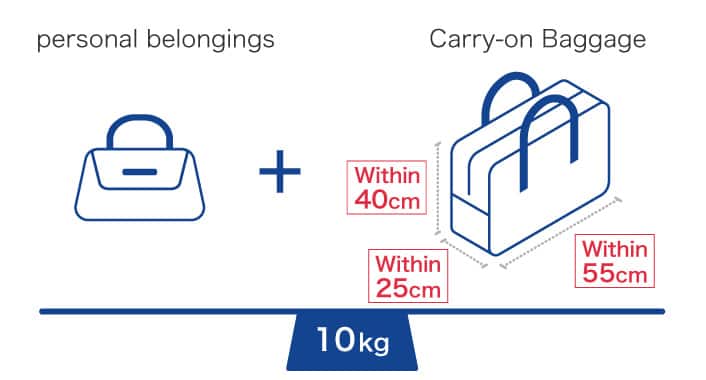
But here is where reality meets dreams: there is no single global weight limit for carry-on luggage. While most airlines have standardized size dimensions (roughly 22 x 14 x 9 inches), weight restrictions vary dramatically. For example, a budget airline in Europe like Ryanair or easyJet may limit your carry-on to just 10 kilograms (22 pounds), while a major US carrier like Delta or American Airlines often has no published weight limit, as long as you can lift it into the overhead bin. In contrast, many Asian carriers, such as Cathay Pacific or Singapore Airlines, strictly enforce a 7-kilogram (15-pound) limit for cabin baggage. Always check your specific ticket’s fine print—the rules can change even between flights on the same airline.
Must Read
The practical implications of this variance are immense. Imagine you are a digital nomad packing your laptop, camera gear, a few books, and enough clothes for a week. On a US domestic flight, your 25-pound bag is likely fine. But if you transfer to a strict European carrier for the next leg, you could be forced to check your bag at the gate—paying a hefty fee and risking your laptop in the cargo hold. Weight is the hidden variable that can turn your carry-on strategy into a costly mistake. The scenario is common: seasoned travelers often find themselves repacking at the gate, discreetly stuffing heavy items into their jacket pockets to shave off a single kilogram.
To navigate this, adopt a few simple tips. First, invest in a lightweight carry-on bag itself—a hard-shell spinner might weigh 7–8 pounds empty, while a soft-sided duffel can be under 3 pounds. Every pound of bag weight is a pound you cannot use for your belongings. Second, use a portable digital luggage scale. Before you leave your hotel or home, weigh your bag and adjust it. A common trick is to wear your heaviest shoes and jacket during check-in; they are not counted in the bag’s weight. Third, plan your outfits around a capsule wardrobe—fewer, versatile pieces that mix and match—to cut bulk and weight dramatically.
 Complete Guide to Using Air Weight Luggage for Stress-Free Travel
For those who want to explore further, practice the “one-bag” challenge for a weekend trip. Pack only what fits in a 30-liter backpack, and then try to reduce the weight by 10% after your first day. You will quickly learn which items are truly essential and which are just security blankets. Also, research airline policies not just for your outbound flight, but for every flight on your itinerary. The difference between a 7 kg and a 10 kg limit might mean leaving that second pair of shoes at home. By mastering these details, you turn a stressful rule into an empowering constraint.
Ultimately, the question “How heavy can my carry-on be?” is not about a number—it is about preparation and awareness. The lighter you pack, the lighter you travel, both physically and mentally. You gain the ability to move quickly, adapt to last-minute changes, and arrive at your destination feeling fresh rather than exhausted. Embrace the discipline of the carry-on weight limit. It is the price of freedom, and it is a bargain worth making for every journey you take.
:max_bytes(150000):strip_icc()/carrry-on-bags-size-weight-limits-1861874_final-5c7ed492c9e77c000136a81a.png&description=How+Heavy+Can+A+Carry+On+Bag+Be)