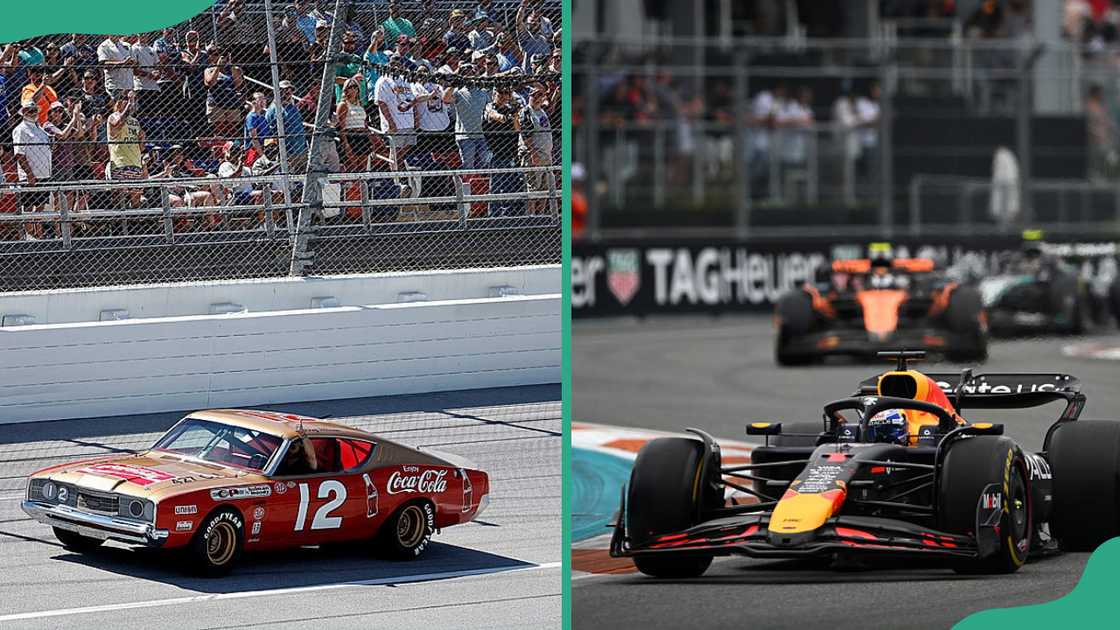
How Fast Do Nascar Drivers Go

Welcome to the high-octane world of NASCAR, where the question isn't just how fast these cars go, but how they survive going that fast. Whether you’re a casual fan at a cookou...

Welcome to the high-octane world of NASCAR, where the question isn't just how fast these cars go, but how they survive going that fast. Whether you’re a casual fan at a cookout or a future pit crew member, understanding NASCAR speeds unlocks a deeper appreciation for the sport’s raw power and precision. This article isn’t just about numbers—it’s about feeling the g-force in your chest from your couch. By the end, you’ll know exactly what makes a stock car scream, and you’ll have practical tips to spot speed like a pro.
Let’s start with the headline number: NASCAR Cup Series cars hit top speeds of around 200 to 210 miles per hour (mph) on the biggest tracks, like Daytona and Talladega. But speed isn’t one-size-fits-all. On short tracks such as Bristol or Martinsville, drivers rarely break 130 mph because the tight turns demand brutal braking and acceleration. Think of it like a cheetah versus a parkour expert—both are fast, but one is built for a drag race, the other for a maze. The real thrill? On superspeedways, drivers run inches apart at 200 mph, creating a “pack” where the air sucks them along. That’s not just fast—it’s terrifyingly beautiful teamwork.
To understand the speed, picture this: a NASCAR driver covers the length of a football field every second at Daytona. Now imagine doing that while steering with one hand, shifting gears with the other, and dodging a spinning car ahead. The cars themselves are engineering marvels. For example, a modern NASCAR engine can rev to 9,000 RPM, producing over 850 horsepower. That’s enough to pull a small house. But what’s fascinating is how they slow down: drivers use their left foot to brake while keeping the right foot on the gas, a technique called “left-foot braking” that keeps the engine revved for instant acceleration out of corners. It’s like juggling flaming torches while riding a unicycle—except the unicycle is on fire.
Must Read
Let’s get creative: imagine your morning commute. You’re doing 45 mph, and a fly hits your windshield. Now, at 200 mph, that same fly would punch through the glass like a bullet. Speed changes everything. NASCAR teams even use telemetry to monitor tire temperature during a race—because at high speeds, a tire that’s 10 degrees too cool can lose grip, sending a driver into the wall at 190 mph. That’s why pit crews practice tire changes in under 12 seconds. Speed isn’t just on the track—it’s in the pit stall, too. One pro tip: next time you watch a race, count how long it takes for a team to change four tires and add fuel. If it’s over 13 seconds, they’re losing the race.
For readers who want to feel this speed firsthand (safely!), try a racing simulator at a local arcade or home setup. Start with a simple track like Martinsville, where speeds hover around 120 mph, to learn braking points. Once you’re comfortable, jump to Daytona in simulation mode. You’ll notice that drafting—following closely behind another car to reduce drag—can add 5-10 mph to your top speed. Pro tip from real drivers: focus on your eyes. Look as far ahead as possible, not at the hood of the car. Your brain will automatically react faster at higher speeds. And always remember: in real life, never try this on public roads. NASCAR drivers train for years to handle these speeds; your commute is for podcasts, not pole positions.
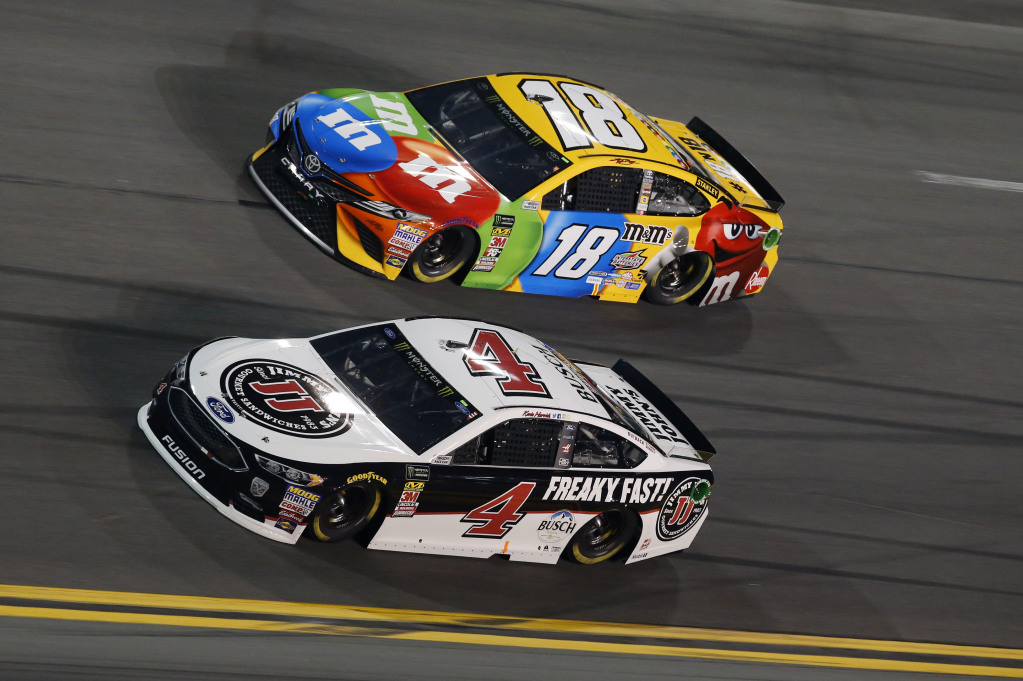 Nascar Typical Speed
One more fun fact: the fastest recorded NASCAR qualifying lap was by Bill Elliott in 1987 at Talladega—212.809 mph. Today’s cars are limited by “restrictor plates” (now tapered spacers) to keep speeds under 210 mph for safety. That’s right: the cars are intentionally slowed down because going any faster in a pack of 40 cars would be too dangerous. Yet, even with these limits, drivers experience 3-4 times the force of gravity in corners, which is why they wear fire suits and HANS devices (head and neck supports). It’s a constant balance between pushing the limit and staying alive.
In closing, NASCAR speed is a world of contradictions—blazing fast yet carefully controlled, chaotic yet precise. Whether you’re watching from the stands or a laptop, you can now spot the difference between a “short-track” dash and a “superspeedway” sling. The next time a driver passes the start-finish line at 195 mph, you’ll know they aren’t just fast—they are masters of physics, fear, and fuel. So grab some popcorn, listen for the roar of the engine, and remember: 200 mph is just the beginning of the story. The real magic is in the inches between cars and the thousand decisions made per lap. Now, go enjoy the race!