How Fast Do Maggots Turn Into Flies

Let’s be real—nobody wants to talk about maggots. But if you’ve ever found a forgotten trash bag or a dead rodent in the garage, you know the question hits fast: how fast do t...

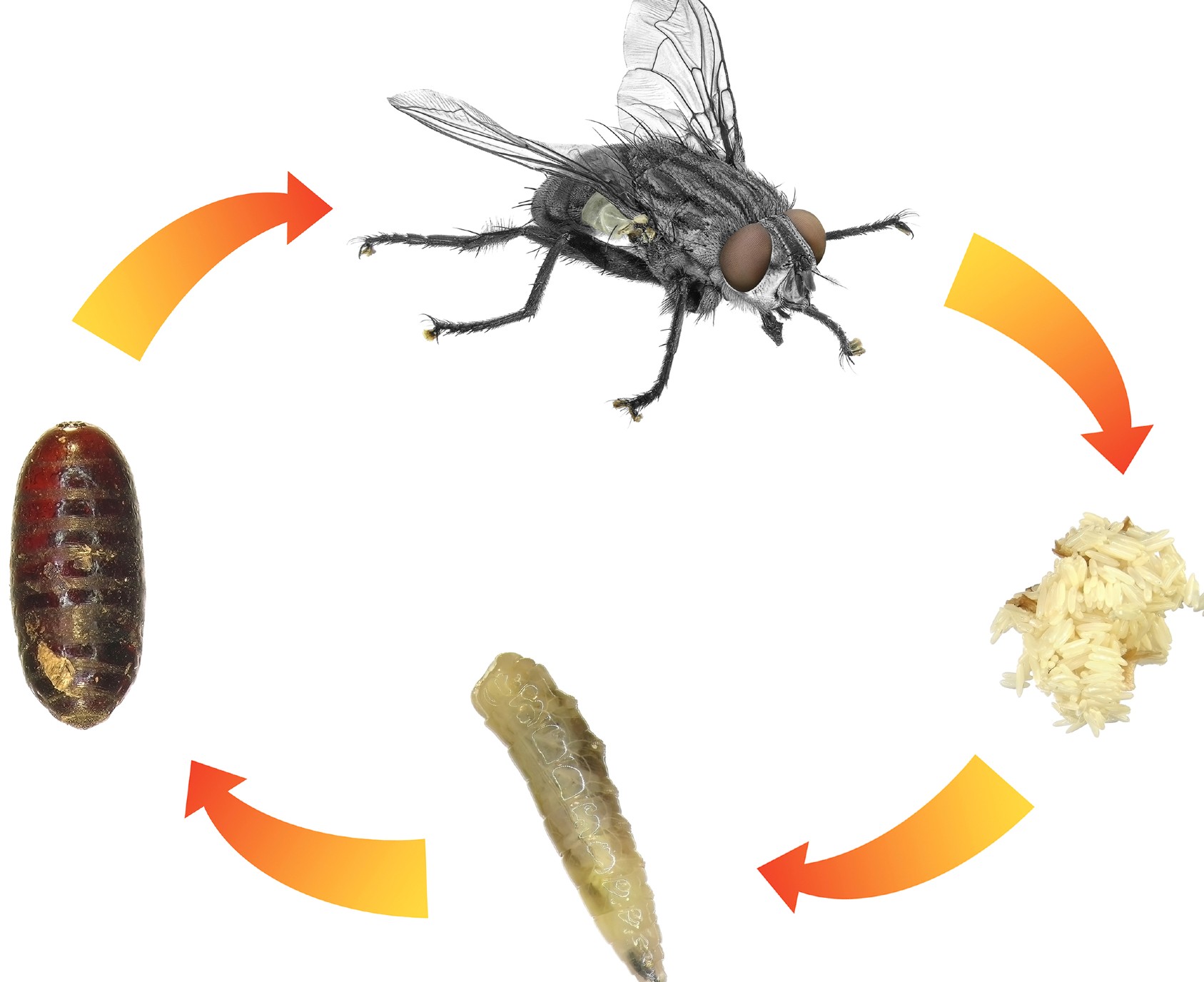
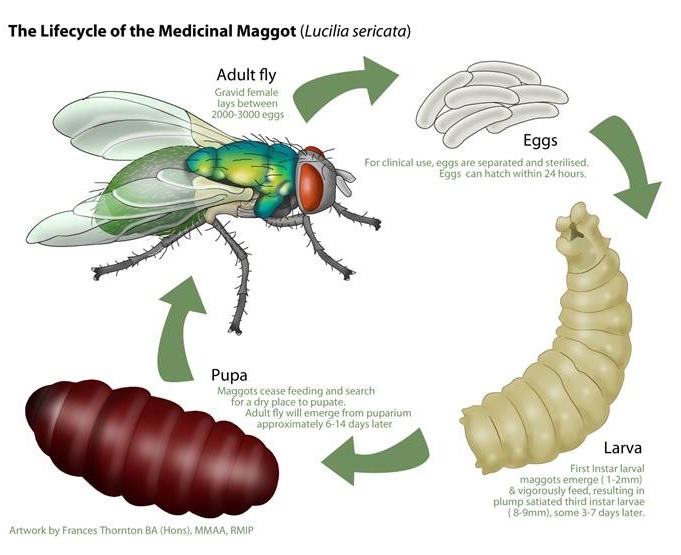
Let’s be real—nobody wants to talk about maggots. But if you’ve ever found a forgotten trash bag or a dead rodent in the garage, you know the question hits fast: how fast do these creepy crawlers turn into flies? Understanding this process isn’t just gross trivia—it’s surprisingly useful for anyone who wants to keep their home clean, avoid health risks, or even use maggots for composting or medical wound care. The answer, by the way, is blazingly fast: under ideal conditions, a maggot can become a full-grown fly in just 4 to 10 days.
Why does this matter for you and your family? Because knowledge is your best pest control. If you know the timeline, you can act before a small problem becomes a fly infestation buzzing through your kitchen. Those tiny eggs in your trash can hatch into maggots in under 24 hours. Left alone, those maggots will pupate in about a week, and bam—you’ve got flies laying more eggs. For communities, understanding this cycle helps in managing public waste bins, preventing disease spread, and even in forensic science where maggot age helps solve crimes.
Here’s a real-life kicker: fishermen love this fact. They buy maggots (called “spikes” or “bait”) and keep them cool in a fridge to slow down their development. A fisherman might keep maggots alive for two to three weeks just by lowering the temperature. On the flip side, a medical maggot therapy patient relies on the exact opposite—they’re placed on wounds to eat dead tissue, and doctors monitor them daily because once they turn into flies, the treatment is over. Knowing the pace saves both money and lives.
Must Read
Want a practical way to apply this at home? Stop the clock before it starts. Seal your garbage in plastic bags and take it out every two days—that cuts the maggot life cycle short. If you spot maggots, pour boiling water or vinegar on them, then dump the bag immediately. For outdoor compost bins, layer green waste with carbon-rich materials like cardboard to starve out fly eggs. And if you’re raising maggots for your pet reptiles or chickens? Keep them at 70–80°F for the fastest turnaround—remember, heat speeds up everything.
 Are Maggots Baby Flies , How Do Maggots Turn Into Flies? – TLWK
One more trick: understanding the timeline helps you control the phobia. When you see a maggot, count the days backward. If it’s been less than a week, the fly source is nearby. Check your pet’s food bowl, your drain pipes, or even a dead plant. The speed of the transformation means you have a narrow window to act—use it wisely.
In the end, the maggot-to-fly journey is a tiny miracle of nature’s efficiency. It’s mostly gross, sure, but also a reminder of how rapid life cycles can be. Whether you’re a gardener, a parent, or just someone who hates fruit flies, knowing the 4-to-10-day rule gives you control. So next time you see one of those wrigglers, don’t panic—just smile at the clock. You’ve got this.