How Does Sodastream’s Reusable Product Model Affect Its Ethical Standing?

There’s something genuinely enjoyable about cracking open a cold, fizzy drink you made yourself, especially when you know the bottle isn’t headed for a landfill. That’s the si...
There’s something genuinely enjoyable about cracking open a cold, fizzy drink you made yourself, especially when you know the bottle isn’t headed for a landfill. That’s the simple pleasure at the heart of SodaStream’s appeal. For the eco-conscious, the budget-watcher, and the kitchen tinkerer alike, the system offers a practical escape from the endless cycle of single-use plastic. The main purpose is clear: give people control over their sparkling beverages while radically reducing waste. Whether you’re whipping up a flavored seltzer for a summer party or a plain club soda to mix with your evening whiskey, the machine sits discreetly on your counter, ready to deliver. It’s a small change that, for many, feels like a huge relief from the guilt of tossing another bottle.
At first glance, SodaStream’s ethical standing appears stellar. The reusable CO2 cylinders and durable plastic carafes are a direct counter to the 300 million tons of plastic waste generated annually worldwide. By using one bottle hundreds of times, a single household can prevent dozens of plastic bottles from entering oceans or incinerators. This model aligns perfectly with the circular economy, where products are designed to be refilled, not discarded. For the average consumer, that’s an immediate, tangible ethical win—a chance to vote with their wallet for less trash. Even the company’s marketing, which often highlights “saving the planet one bubble at a time,” reinforces this feel-good narrative.
But let’s get a little more nuanced. The ethical picture gets cloudier when you look at the subscription model for CO2 refills or the hefty upfront cost of the machine. While the system cuts down on plastic waste, the gas cylinders themselves still involve energy-intensive extraction and transport. And if your local store stops carrying refills, you’re suddenly dependent on shipping—which adds its own carbon footprint. Critics also point out that the company’s proprietary carbonator bottles, though reusable, must be replaced every few years, creating a predictable waste stream. So, is it a perfect system? No, but it’s a pragmatic improvement over the status quo.
Must Read
A key aspect of ethical standing is accessibility and equity. SodaStream machines aren’t cheap—usually starting around $80–$150—and the flavored syrups cost more per ounce than store-bought soda. This makes it a privileged solution, often out of reach for lower-income households who would benefit most from reducing waste. However, there’s a workaround: many users skip the branded syrups entirely, using unsweetened sparkling water and adding a squeeze of lemon or a dash of homemade syrup. This not only cuts costs but also dodges the artificial sweeteners and preservatives found in commercial formulas. Ethical standing here depends on how you use the tool, not just the tool itself.
Another layer is corporate behavior and its impact on communities. SodaStream’s history isn’t spotless—the company faced controversy over its factory in occupied West Bank territories, which drew boycotts and protests. In 2015, they sold the factory and later relocated operations to a facility in Israel proper. For some consumers, that stain remains, and it influences how they judge the brand’s overall ethics. Yet the company has also invested in water conservation and recycling programs, and their reusable model is undeniably a step forward for waste reduction. It’s a reminder that no ethical standing is black and white; it’s a spectrum shaped by geography, supply chains, and corporate choices.
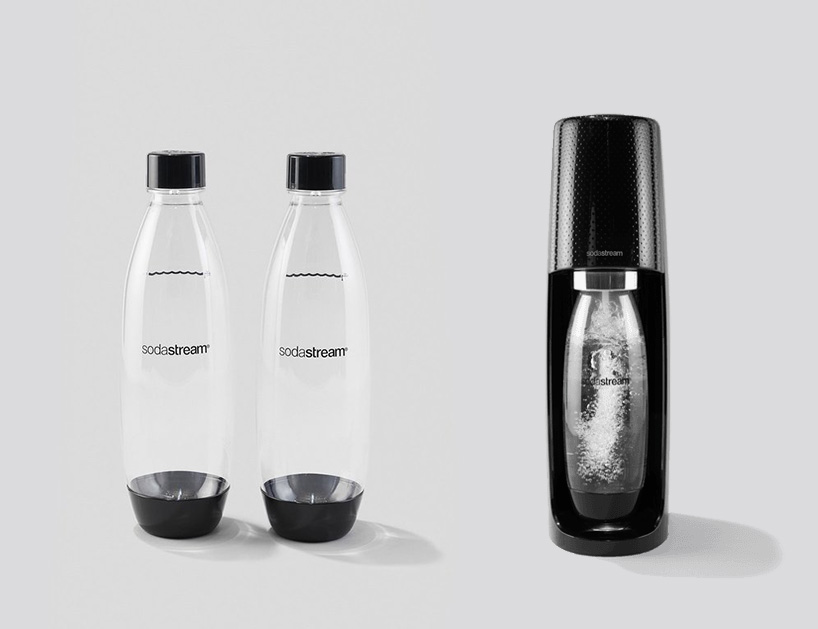 your next pepsi-cola could be DIY as pepsico buys sodastream in effort
So, how do you make the most of SodaStream while staying aligned with your values? Start by avoiding unnecessary purchases: don’t buy extra plastic bottles unless you truly need them. Instead, use the machine only for water, or buy a few reusable glass carafes to store your homemade soda. Next, embrace the DIY syrup route—a simple mix of sugar, citric acid, and fruit juice can replace expensive factory-made flavors. Finally, commit to using the machine daily for a year. That consistent habit is what actually slashes waste. Remember, even a small reduction in single-use plastic—say, 50 bottles a year—adds up. The goal isn’t perfection; it’s progress. And with SodaStream, you’re already making a more thoughtful choice than grabbing a 24-pack of generic cola.
In the end, SodaStream’s reusable model offers a solid ethical foundation for anyone looking to lighten their plastic footprint. It’s not a silver bullet—no single product can fix the global waste crisis—but it’s a practical, enjoyable step in the right direction. The joy of fizzing your own water, the satisfaction of refilling a cylinder, and the quiet knowledge that you’ve created less garbage all contribute to a sense of agency. And that, ultimately, is what makes this product worth considering: it turns a daily habit into a small but meaningful act of conscience. Cheers to that.

