How Does Diabetes Affect You Intellectually

Ever wondered if diabetes could make you forget your keys or struggle with a crossword? You're not alone! Let's dive into this sweet (and sometimes not so sweet) topic and exp...
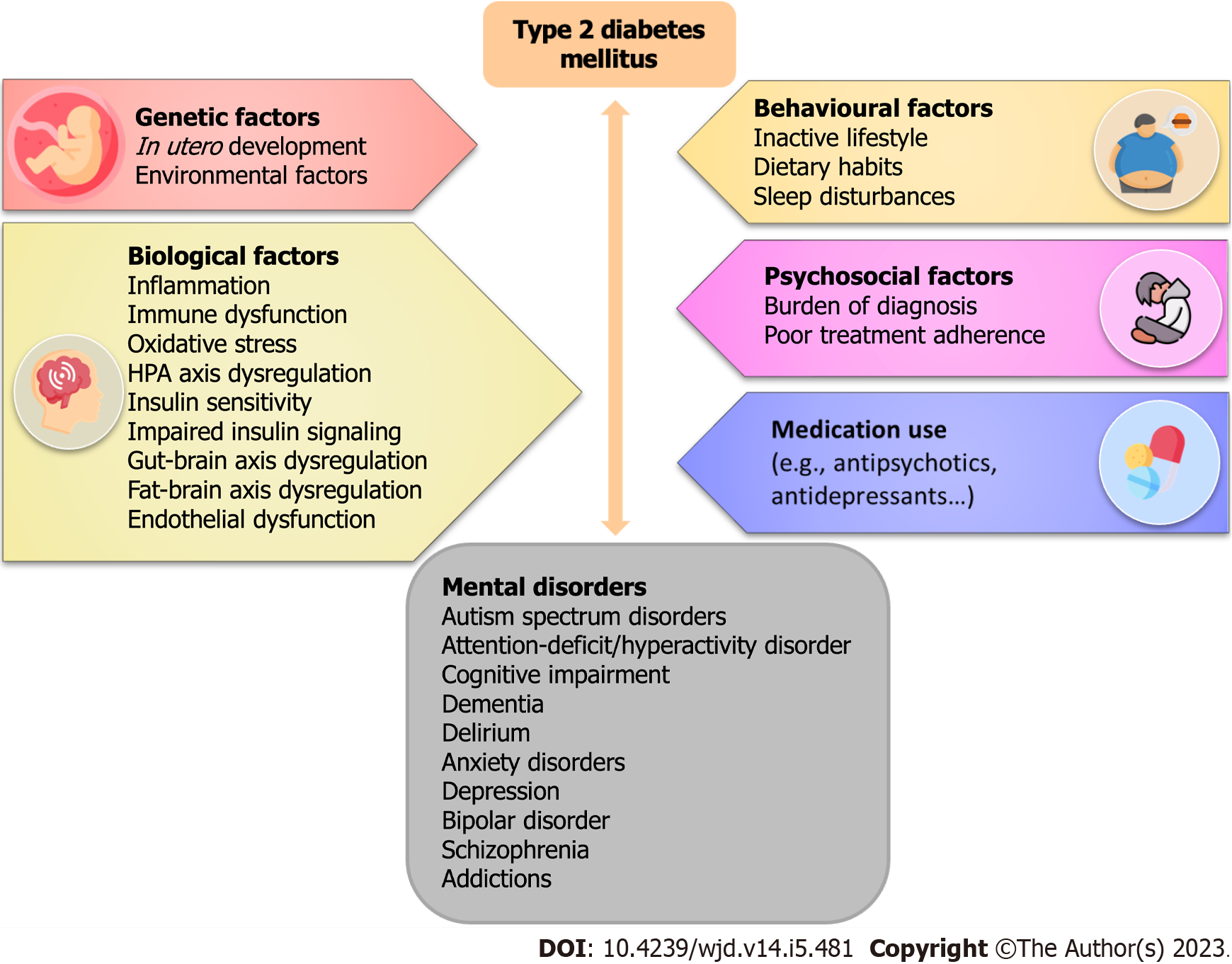
Ever wondered if diabetes could make you forget your keys or struggle with a crossword? You're not alone! Let's dive into this sweet (and sometimes not so sweet) topic and explore how diabetes can affect your brain.
First things first, what's diabetes?
Diabetes is like having a wonky sugar thermometer in your body. It's when your blood sugar levels are too high because your body can't use insulin properly. Insulin's like the sugar police, keeping blood sugar in check. There are different types, but the main ones are type 1 (your body doesn't make insulin) and type 2 (your body doesn't use insulin well).
Now, let's talk brain stuff!
Your brain is like a supercomputer, running on glucose (sugar) from the blood. So, when your blood sugar's all wonky, it can throw a spanner in the works. But don't worry, it's not all doom and gloom. Let's look at some interesting ways diabetes can affect your brain.
Must Read
Memory lane
Ever had a 'diabetic brain fog' moment? That's when high or low blood sugar can make it tough to remember things or think clearly. It's like trying to find your way home after a power cut - everything's a bit hazy. But here's the cool part: once you get your blood sugar back on track, that fog usually lifts.
Fun fact: Some people with diabetes say they have 'diabetes amnesia' - forgetting things they've just done or said. It's like having a tiny, temporary blackout. Spooky, huh?
Mood swings
Feeling a bit more emotional than usual? That could be your diabetes playing tricks on you. High or low blood sugar can make you feel more moody or irritable. It's like when you're hangry - you know, when you're so hungry you're angry? Same deal, but with sugar instead of food.
On the flip side, once you've balanced your blood sugar, you might feel like your old, sunny self again. It's like switching from a stormy day to a bright, clear sky.
Brain health in the long run
Over time, high blood sugar can damage blood vessels, including the tiny ones in your brain. This can lead to cognitive decline - that's just a fancy way of saying your brain might not work as well as it used to. But here's the good news: keeping your blood sugar in check can help prevent this. It's like giving your brain a long, healthy life warranty!
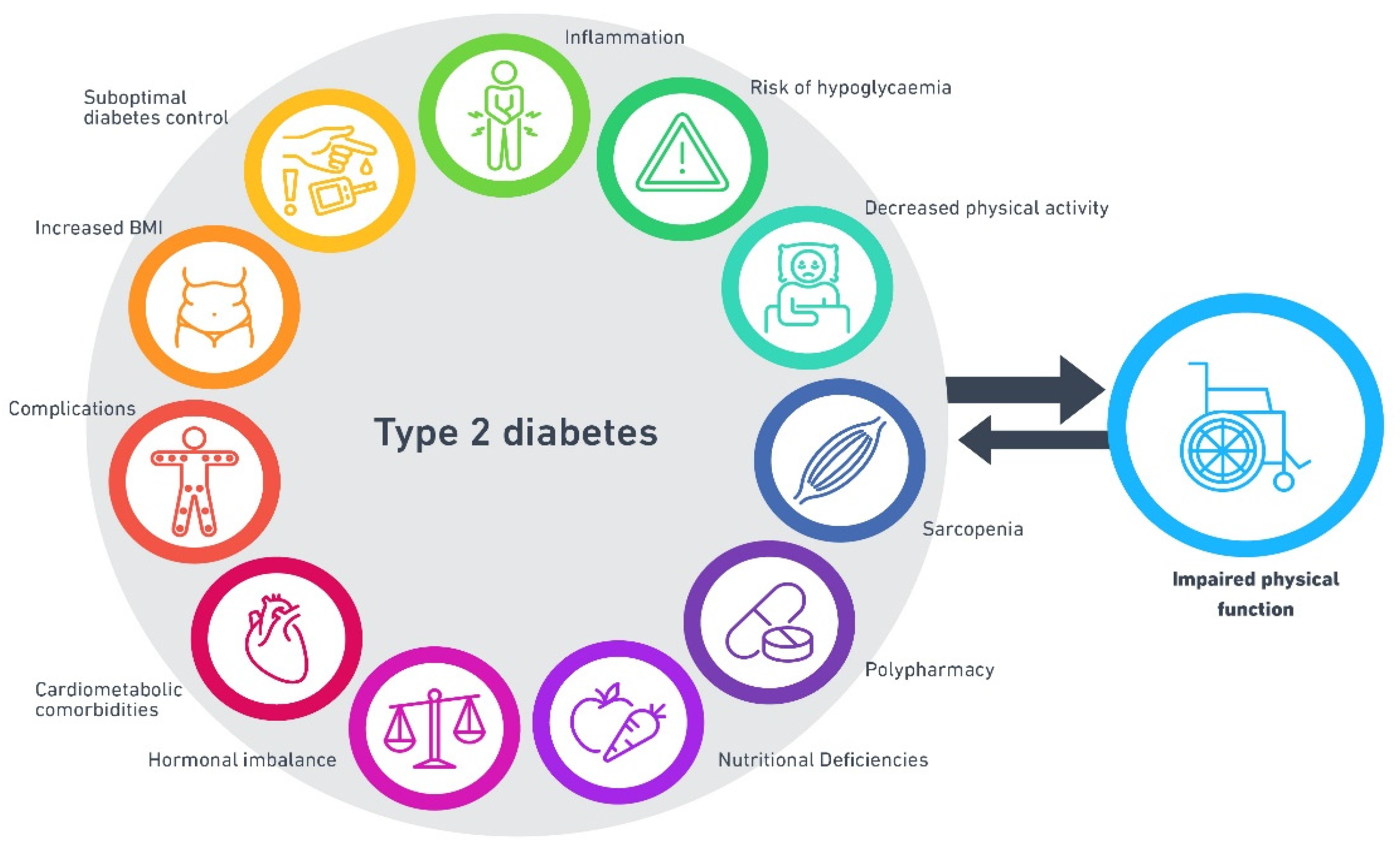 Type 2 Diabetes and Impaired Physical Function: A Growing Problem
Pro tip: Regular exercise, a healthy diet, and keeping an eye on your blood sugar levels can help keep your brain in tip-top shape.
But what about diabetes and dementia?
You might have heard that diabetes can increase your risk of dementia. While it's true that people with type 2 diabetes have a higher risk, it's not a done deal. Many factors come into play, like genetics, lifestyle, and overall health. So, don't panic - just focus on keeping your diabetes well-managed.
So, is diabetes all bad news for your brain?
Not at all! With the right care and management, you can keep your brain sharp and healthy. It's like having a supercharged brain that's ready for anything. Plus, think about all the cool things you'll learn along the way - like how to become a blood sugar whisperer!
Remember, everyone's different, so what affects one person's brain might not affect yours in the same way. The key is to stay curious, keep learning, and work with your healthcare team to keep your diabetes in check.
And hey, if all else fails, there's always the 'five-second rule' for remembering things. You know, when you drop something and pick it up within five seconds, it's like it never happened? Worth a try, right?
