How Does Connected Tv Advertising Actually Work Programmatic Vs Direct

Ever wondered how your favorite shows on Netflix or Amazon Prime manage to know your deepest, darkest desires (okay, maybe not that deep) and serve you ads that are almost eer...
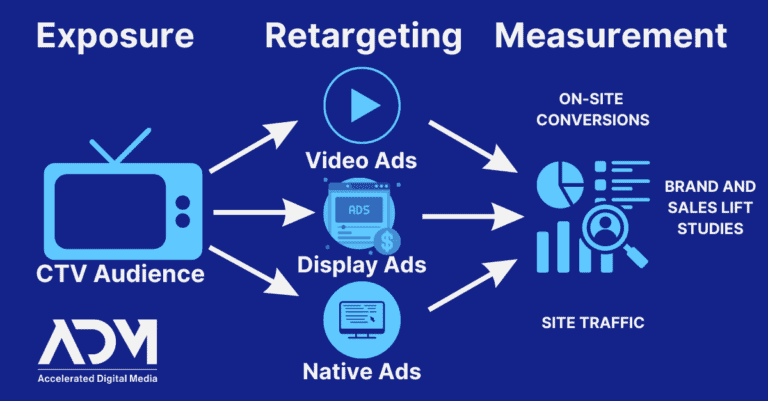
Ever wondered how your favorite shows on Netflix or Amazon Prime manage to know your deepest, darkest desires (okay, maybe not that deep) and serve you ads that are almost eerily relevant? Welcome to the world of Connected TV advertising, where technology meets marketing in a dance as complex as it is fascinating.
Connected TV: The New Kid on the Block
Connected TV, or CTV, is just what it sounds like - your regular old TV, but with a twist. It's connected to the internet, turning your humble box into a smart device that can stream content and, you guessed it, show you ads. Think of it like your smartphone, but bigger and with better picture quality. According to Statista, there were over 1.1 billion CTV users worldwide in 2021. That's a lot of potential customers for advertisers!
But how do these ads find their way onto your screen? That's where things get interesting.
Must Read
Programmatic vs Direct: The Ad Tech Showdown
Programmatic: The Tech-Savvy Ad Buyer
Imagine programmatic advertising as the cool kid at the party, using data and algorithms to make informed decisions. It's all about real-time bidding (RTB), where ads are bought and sold on a per-impression basis via automated platforms. It's like having a personal shopper for your ad space, constantly scouring the market to find the best deals.
Here's how it works: when you start watching your favorite show, an ad call is sent to an ad exchange. This is like the stock market for ads, where demand-side platforms (DSPs) - the tech that advertisers use - and supply-side platforms (SSPs) - the tech that publishers use - meet to trade impressions. The highest bidder wins, and the ad is served to you in a matter of milliseconds. It's like an ad auction happening right before your eyes (or, more accurately, right before your TV screen).
Programmatic advertising is all about precision. It uses data to target specific audiences, making it a favorite among advertisers looking to reach niche markets. But with great power comes great responsibility, and the use of data in programmatic advertising has raised concerns about privacy. Remember, every time you're served an ad, it's because you've been profiled based on your viewing habits, browsing history, and even your social media activity.
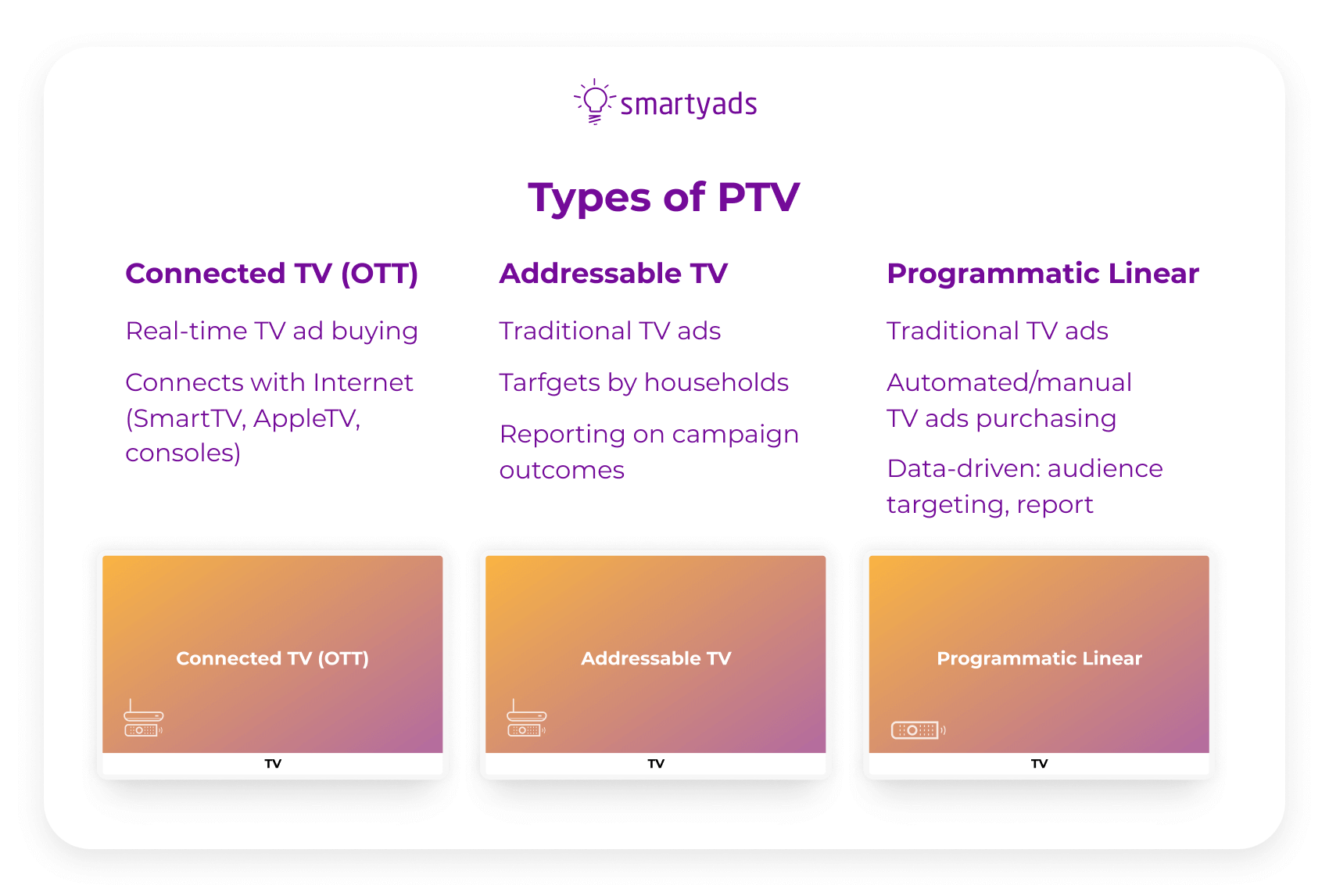 What Is CTV Advertising and How It Works in 2025 - SmartyAds
Direct: The Old-School Ad Salesman
Now, let's talk about direct advertising. This is the traditional way of buying ad space, where advertisers and publishers negotiate deals directly, often based on demographics and ratings. It's like the old-school ad salesman, knocking on doors and shaking hands to close deals.
Direct advertising is simpler and more straightforward than programmatic. It's less reliant on data and more on good old-fashioned relationships between advertisers and publishers. But it's also less flexible. Once a deal is made, it's set in stone, unlike programmatic ads that can be adjusted in real-time based on performance.
Think of direct advertising as the steady, reliable friend who's always there for you, while programmatic is the spontaneous, adventurous one who's always trying new things.
Which is Better? The Answer Might Surprise You
The truth is, neither programmatic nor direct advertising is universally better. They each have their own strengths and weaknesses, and the best approach often depends on the specific goals and resources of the advertiser. Some brands might prefer the precision of programmatic, while others might find comfort in the simplicity of direct advertising.
 About Strategus | The Pioneers of Connected TV Advertising
Many advertisers are now combining the two approaches, using direct deals to secure premium inventory and programmatic to fill the rest. It's like having the best of both worlds - the stability of a long-term relationship and the excitement of a new adventure.
So, What Does This Mean for You?
As a viewer, all this ad tech might seem a bit daunting. But don't worry, you don't need to understand the intricacies of programmatic vs direct advertising to enjoy your favorite shows. In fact, the more advertisers understand these technologies, the better they can serve you relevant ads without compromising your privacy.
But remember, with great power comes great responsibility. As we continue to embrace connected TV and the data-driven world of advertising, it's important to stay informed about how our data is being used and to advocate for our right to privacy.
So, the next time you're watching TV and an ad pops up, take a moment to appreciate the complex dance of technology and marketing that brought it to your screen. And then, go back to enjoying your show. After all, that's what really matters.
