How Do You Measure An Ounce Of Liquid

There is a quiet satisfaction in precision, a small but profound joy that comes from knowing you’ve added exactly the right amount of something. Whether you’re crafting a deli...
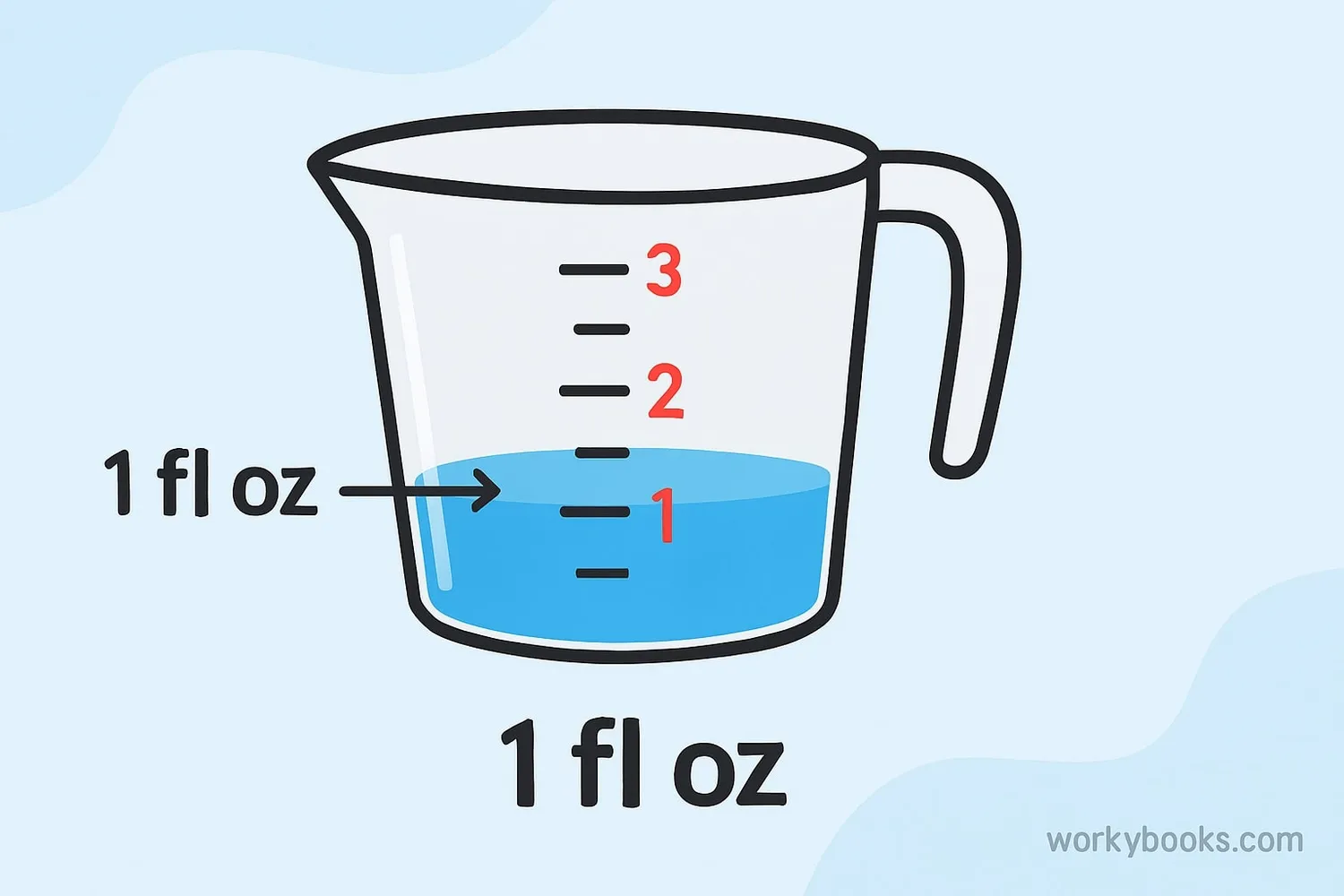
There is a quiet satisfaction in precision, a small but profound joy that comes from knowing you’ve added exactly the right amount of something. Whether you’re crafting a delicate vinaigrette that perfectly balances acidity and oil, mixing a cocktail that promises a sublime finish, or following a cherished family recipe for a cake that must rise just so, the ounce is your faithful companion. Measuring a liquid ounce isn’t merely a chore; it is the gateway to consistency and reliability. It transforms a guess into a guarantee, ensuring that what you create today tastes as magnificent as what you created yesterday.
At its core, measuring an ounce of liquid serves one key purpose: accuracy. In cooking and baking, an extra splash or a short pour can throw off a recipe’s chemistry, leading to a soggy crust, a flat soufflé, or a too-sweet sauce. Beyond the kitchen, this skill is vital for mixing cleaning solutions, administering medicine, or even portioning out skincare products. The primary benefit is control. By mastering the ounce, you gain the power to replicate success, avoid waste, and achieve outcomes that are both predictable and excellent. It turns the casual cook into a confident creator and the everyday user into a savvy manager of resources.
Consider the scenario of a busy parent preparing a child’s liquid medicine. The dosage clearly states “one ounce.” Without an accurate measure, the risk is twofold: too little might be ineffective, while too much could be harmful. Here, the ounce is not about taste—it is about health and safety. Or picture yourself hosting a dinner party, preparing a classic Negroni. One ounce of gin, one ounce of sweet vermouth, one ounce of Campari. A shaky pour ruins the balance; a precise measure ensures that first sip is a perfect, bitter-sweet symphony. In both cases, the ounce is the unsung hero of the experience.
Must Read
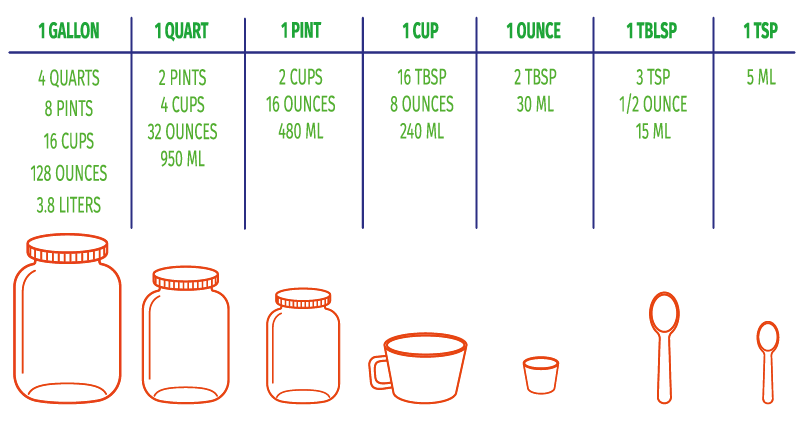
The most straightforward tool for this task is the liquid measuring cup, specifically one with clear, etched markings. For ounces, look for a cup that shows both cup and ounce increments. For smaller quantities, a set of standard measuring spoons is ideal: the tablespoon holds half an ounce, so two tablespoons equal one ounce. For ultimate precision, especially in cocktail making, a jigger—a double-ended metal cup with one side holding one ounce and the other one-and-a-half or half ounces—is indispensable. Avoid using dry measuring cups; they are designed for scooping flour or sugar, not for liquids, and their leveling method is inaccurate for water, oil, or milk.
A simple but crucial tip is to always measure at eye level. Place your liquid measuring cup on a flat, stable counter. Bend down so that your eyes are directly in line with the marking you need. Pour slowly until the liquid’s meniscus—the slight dome or curve at the surface—settles at the line. For water-like liquids, the bottom of the meniscus should touch the line. For thicker liquids like honey or syrup, take your time pouring; they cling to the cup and require patience to achieve an accurate fill. Practice with water a few times, and soon this habit becomes second nature.
 How Many Fluid Ounces Are In 5 Quarts
For those who want to explore further, try this practical exercise: grab a standard 8-ounce drinking glass. Using a measuring cup or jigger, pour exactly one ounce of water into the glass. Mark the water level with a piece of removable tape or a marker. Now you have a DIY reference tool for quick estimates when you don’t have a measuring device handy. Another fun experiment is to measure one ounce of different liquids—olive oil, maple syrup, lemon juice—and observe how their viscosity (thickness) affects how you pour and read the measure. This tactile learning deepens your intuitive understanding of volume.
Ultimately, measuring an ounce of liquid is a small act with outsized rewards. It empowers you to take the guesswork out of creation, whether you are an aspiring chef, a home bartender, or someone just trying to make a perfect morning coffee. The ounce is not a constraint; it is a tool for freedom—the freedom to experiment without fear, to repeat successes, and to share your best work with others. So next time you reach for that cup or jigger, do so with appreciation. You are not just measuring a liquid. You are measuring your commitment to quality, one precise ounce at a time.
