How Do You Know When Salmon Is Done

Cooking salmon well is one of those kitchen skills that feels both simple and deeply satisfying. There’s something almost magical about watching a fillet turn from translucent...
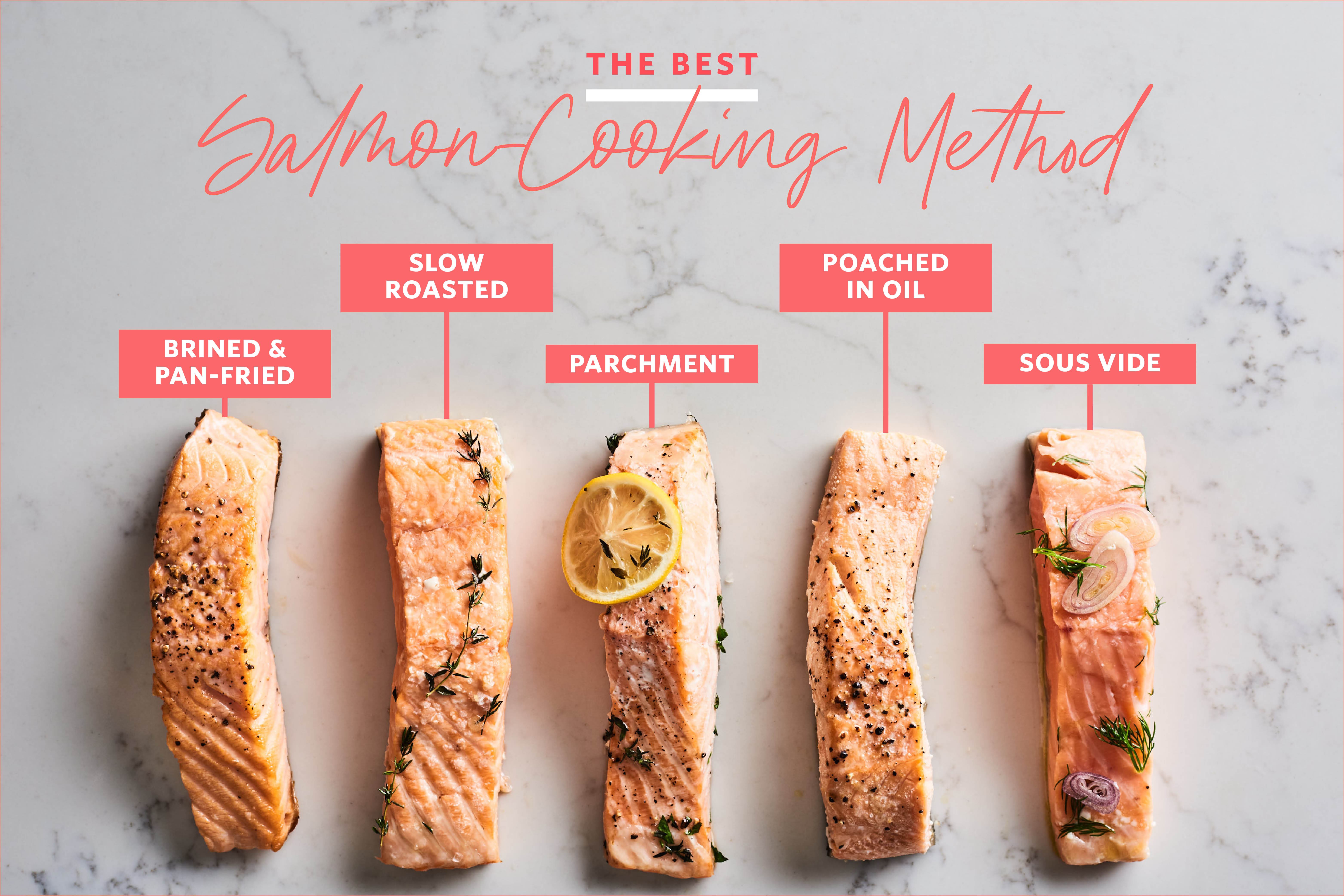
Cooking salmon well is one of those kitchen skills that feels both simple and deeply satisfying. There’s something almost magical about watching a fillet turn from translucent, raw orange into flakes of tender, coral-hued perfection. Whether you’re a busy parent trying to get a healthy dinner on the table in twenty minutes, a meal-prepper looking for lean protein, or a weekend cook hosting friends, knowing exactly when salmon is done means the difference between a dish that’s juicy and flavorful and one that’s dry and disappointing. It’s a practical pleasure that almost everyone can enjoy—and once you master it, you’ll wonder how you ever stressed about it.
The most reliable way to tell if salmon is done is with an instant-read thermometer. For most people, the target internal temperature is 145°F (63°C) at the thickest part of the fillet, as recommended by food safety guidelines. But here’s the secret many chefs follow: you can pull the salmon off the heat a few degrees earlier—around 125–130°F (52–54°C) for a medium-rare, silky texture—because the fish will continue to cook from residual heat. If you’re new to this, start with 145°F for safety, then experiment with lower temps once you’re comfortable. A thermometer takes all the guesswork out of the process.
What if you don’t have a thermometer handy? No worries—your eyes and a fork are just as good. Look for the fish to change from a deep, translucent orange-red to an opaque, pale pink. Gently press the top of the fillet with a fork or your finger: done salmon will flake easily when you separate the layers, but it should still hold together, not fall apart into mush. Another sign: a thin, white protein called albumin may bead up on the surface. That’s normal, but if there’s a lot of it oozing out, you’ve likely overcooked it.
Must Read
Different cooking methods change how you check. For pan-searing, watch the sides—they’ll turn from translucent to opaque about halfway up the fillet. Flip it gently, and the center should be warm but not hard. For baking, a common trick is to cook the salmon for 4–6 minutes per half-inch of thickness at 400°F (200°C). And for grilling, a good rule of thumb is: when the fish releases easily from the grates without sticking, it’s usually ready. Each method benefits from a quick visual check with a fork after the estimated time.
A common pitfall is overcooking out of fear. Many people leave salmon on the heat longer than needed, convinced it’s still raw inside. To avoid this, remember that salmon is one of the most forgiving proteins—it’s actually better to under-cook it slightly than overcook it. If you’re unsure, take it off the heat, let it rest for two to three minutes, then check again. The residual heat during resting often finishes the job perfectly, leaving you with a moist, tender fillet rather than a dry, chalky one.
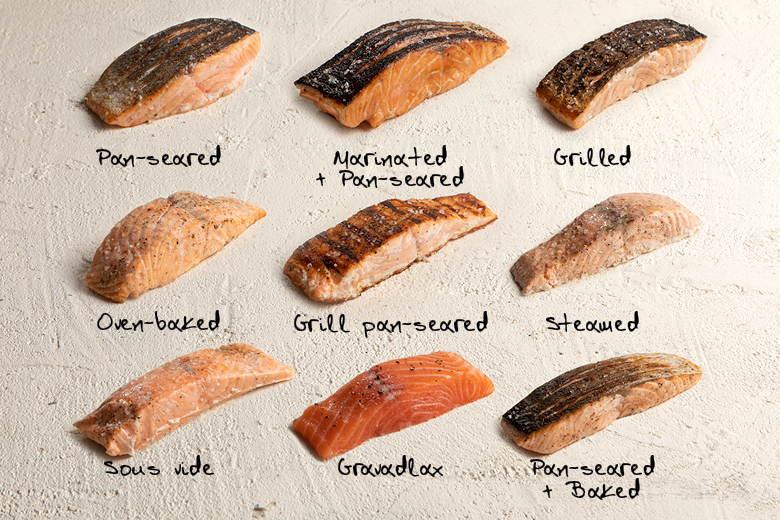 How To Tell If Salmon Is Cooked
For those who love variety, the same principles apply to different cuts. A thick center-cut fillet needs more time than a thin tail piece. Salmon steaks, with their bone-in structure, cook a bit faster than fillets. And if you’re cooking a whole side of salmon for a party, check doneness in the thickest part near the head end. The thin tail will be done sooner, so you might tent it with foil while the thicker section catches up. Patience and observation are your best tools here—no need for stress.
So next time you’re staring at a beautiful piece of salmon, remember: a good thermometer, a gentle fork, and a little confidence are all you need. You’ll soon develop an instinct for the perfect moment—when the fish offers just a slight resistance before flaking, and the aroma fills your kitchen. Enjoy that first bite, because you’ve earned it. Cooking salmon well isn’t a mystery—it’s a joyful practice that rewards repeat visits.
