How Do You Know If Sweet Potatoes Have Gone Bad

Sweet potatoes are a beloved staple in kitchens around the world, prized for their natural sweetness, creamy texture, and incredible versatility. Whether roasted into carameli...
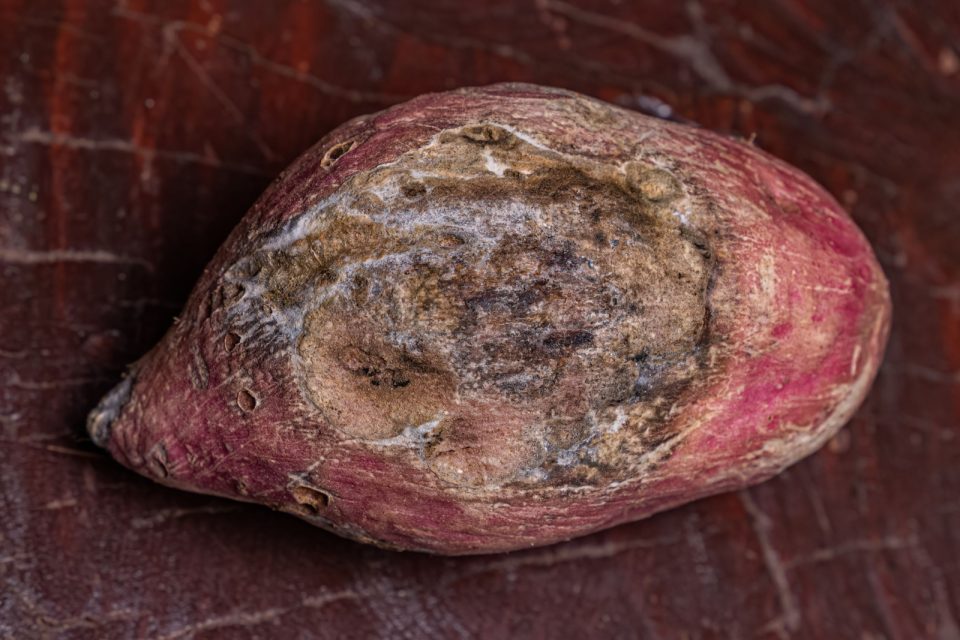
Sweet potatoes are a beloved staple in kitchens around the world, prized for their natural sweetness, creamy texture, and incredible versatility. Whether roasted into caramelized wedges, mashed for a comforting side dish, or baked into pies and casseroles, they bring a rich, earthy flavor that elevates both savory and sweet meals. Beyond their taste, sweet potatoes are a nutritional powerhouse, packed with vitamin A, fiber, and antioxidants, making them a smart choice for everyday health. But there’s a catch: unlike some hardy vegetables, sweet potatoes are surprisingly perishable. Nothing ruins a carefully planned dinner—like a cozy autumn stew or a holiday casserole—faster than discovering your sweet potatoes have turned. Knowing how to spot spoilage is an essential skill for any home cook, saving you money, preventing food waste, and ensuring every dish is safe and delicious.
The most obvious sign of a spoiled sweet potato is visible mold. While a bit of dirt or a small scratch on the skin is normal, any fuzzy patches—whether white, green, or black—indicate that fungi have taken hold. Mold can penetrate beneath the surface, so even if you cut away the affected area, the flavor and texture are often compromised. Similarly, soft, sunken spots that feel mushy to the touch are a clear red flag. A fresh sweet potato should be firm and unyielding; if you press it and your finger leaves a permanent indent, the potato is likely rotting from the inside. For example, if you’re preparing sweet potato fries for a weeknight snack and notice a soft, wet patch near the tip, it’s better to discard the entire potato than risk a bitter, unpleasant taste.
Another critical clue is unusual discoloration, both on the skin and inside the flesh. Sweet potatoes naturally range from tan and copper to deep purple, but if you see large areas turning black or a greenish tint that doesn’t wash off, it’s a sign of decay or excessive sun exposure, which can produce a bitter alkaloid. When you cut open a healthy sweet potato, the flesh should be vibrant orange, yellow, or purple, depending on the variety. If you find dark, stringy patches or a brownish ring near the skin, that’s a symptom of internal breakdown. Imagine peeling a sweet potato for a mash, only to discover a slimy, grayish interior—this is a surefire indicator that it’s past its prime. Always trust your eyes: if the color looks “off” in any way, it’s safer to toss it.
Must Read
Your sense of smell is a powerful tool in this detective work. Fresh sweet potatoes have a mild, earthy aroma, almost like damp soil. When they go bad, they develop a distinct, unpleasant odor often described as sour, musty, or like moldy hay. If you notice a strong, foul smell even before cutting the potato, spoilage has likely spread throughout. This is especially important in bulk storage: if you buy a bag of sweet potatoes and one has started to rot, its smell can quickly contaminate neighboring potatoes. Consider a scenario where you’re meal-prepping for the week—opening a pantry bag and being hit with a rancid whiff means you need to inspect every single potato, discarding the bad ones to save the rest. Smell is not just a guide; it’s a non-negotiable warning.
Texture changes, beyond softness, are another strong indicator. A spoiled sweet potato may feel shrivelled, wrinkled, or excessively limp. While some wrinkling is normal from moisture loss over time, extreme shriveling means the potato has dehydrated and its internal tissues are breaking down. More concerning is a sticky or slimy surface, which often results from bacterial growth or fermentation. If you try to peel a sweet potato and the skin slides off easily, revealing a wet, slick layer underneath, it’s too far gone. In contrast, a perfectly good sweet potato has a dry, rough skin that adheres tightly. For instance, if you’re making a roasted sweet potato salad and the potato feels slippery when washed, that sliminess is a critical signal to stop and choose another.
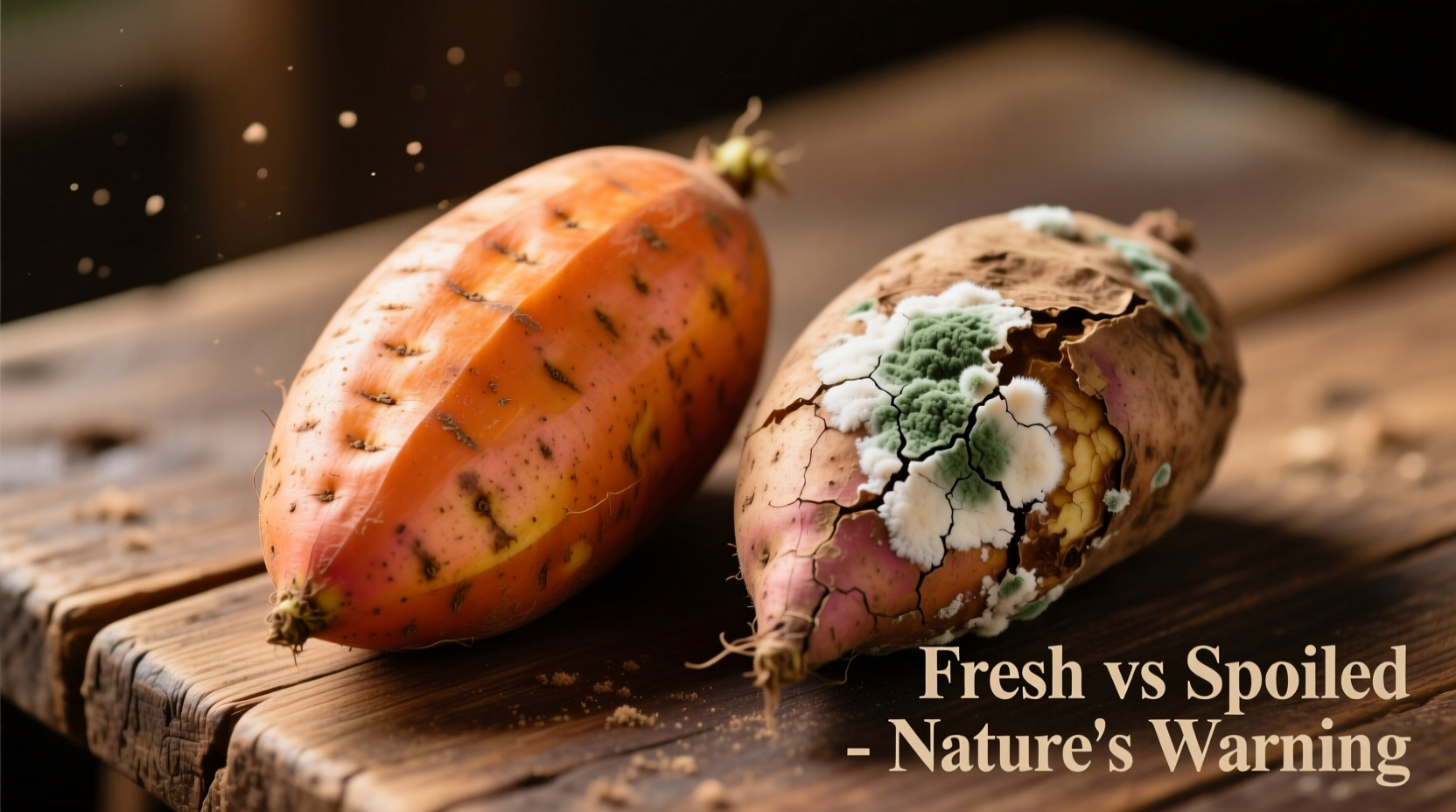 How to Tell If Sweet Potato Is Bad: 7 Clear Warning Signs
Finally, consider the sprouts and roots. Small, thin sprouts emerging from the ends of a sweet potato are not necessarily a sign of spoilage—they indicate the potato is trying to grow. You can simply snap them off and cook the potato immediately. However, if those sprouts are large, leafy, or accompanied by deep wrinkles and softness, the potato has used its energy to grow and will taste starchy, bitter, or woody. Similarly, if you notice fuzzy roots growing from the skin, especially near moldy spots, treat this as a comprehensive warning. A good rule of thumb: if a sweet potato looks like it’s trying to become a plant in your pantry, and it feels mushy or smells odd, it belongs in the compost bin, not your dinner plate.
To keep your sweet potatoes fresh longer, store them in a cool, dark, well-ventilated place—never in the refrigerator, as cold temperatures can alter their flavor and hasten decay. Always check your stash weekly, removing any potatoes that show the earliest signs of spoilage. A simple tip: before cooking, give each potato a quick squeeze and a sniff. Use the oldest ones first, and avoid washing them until just before use, as moisture encourages mold. By mastering these signs, you’ll not only protect your health but also get the most out of this wonderful root vegetable, ensuring every sweet potato dish is a triumph of taste and texture.
