How Do You Freeze Mint Leaves

There’s something deeply satisfying about keeping the fruits of your garden alive well past their season, and freezing mint leaves is one of the easiest and most rewarding way...

There’s something deeply satisfying about keeping the fruits of your garden alive well past their season, and freezing mint leaves is one of the easiest and most rewarding ways to do it. Whether you’re a devoted home cook, a cocktail enthusiast, or just someone who loves the scent of fresh herbs, mint is a versatile treasure. Its vibrant flavor can elevate everything from summer teas and cold beverages to savory dishes like lamb or salads. The main purpose of freezing mint is to capture that burst of freshness so you can enjoy it long after the plant has wilted. It saves money, reduces waste, and gives you a little green boost of happiness on a dreary winter day.
The beauty of freezing mint is that it fits into nearly any lifestyle. For gardeners with a surplus, it’s a no-brainer way to preserve the harvest. For busy parents, having prepped mint on hand means tossing a few leaves into lemonade or a smoothie without a trip to the store. Even if you’re a cocktail lover dreaming of minty mojitos in January, frozen mint will be your secret weapon. Common variations include freezing whole leaves, chopping them into ice cubes, or even blending them with water to make concentrated mint “paste” cubes. Each method serves a purpose, but they all share a simple goal: keeping that bright, aromatic spirit intact.
Before you begin, the first step is proper preparation. Start by harvesting mint early in the morning when the oils are most concentrated. Gently rinse the leaves under cool water to remove any dirt or tiny critters, then pat them completely dry with a clean towel. Wet leaves can stick together and form a sad, icy clump in the freezer. Use a salad spinner if you have one—it’s a game-changer. Next, strip the leaves from the stems, discarding any that are damaged or discolored. Quality matters here, because you’re capturing the best of the plant’s flavor.
Must Read
Now, there are two main ways to freeze mint leaves, each with its own perks. The first is the whole-leaf method. Spread the clean leaves in a single layer on a baking sheet lined with parchment paper. Make sure they aren’t touching. Pop the sheet in the freezer for about 1–2 hours, or until the leaves are rigid. Once frozen, you can transfer them to a zip-close bag or airtight container. This technique keeps the leaves separate, so you can grab a handful without thawing a solid block. It’s perfect for garnishing drinks or tossing into sauces.
The second approach is the ice cube tray method, which is ideal for infusing liquids. Simply chop the mint leaves finely, then fill each section of a clean ice cube tray about halfway. Top up with water (or even olive oil, for savory recipes) and freeze solid. When you’re making a batch of iced tea, drop a mint cube right in—it will melt and release pure flavor. For soups or stews, use oil-based cubes. This method also works well if you have a lot of mint and want to avoid the bulk of whole leaves. It adds a lovely pop of green to your freezer and makes meal prep feel effortless.
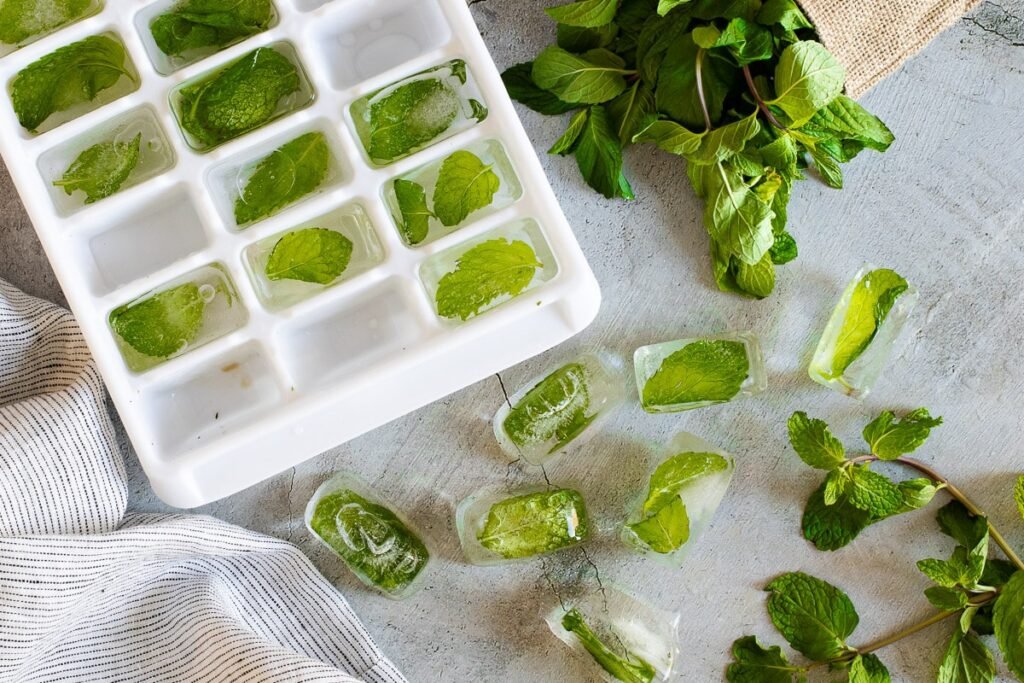 Can you freeze mint leaves to get that minty aroma always - Kooky Bakes
To get the most out of your frozen mint, remember a few simple tips. Always label your bags or containers with the date and method you used, since frozen mint can lose its punch after six months or so. Avoid thawing it before use; drop it directly into hot dishes, cold drinks, or frozen cocktails. If you’re using whole leaves for a garnish, expect them to be a bit limp once thawed—so use them for flavor, not for crisp decoration. And don’t be shy about experimenting: try freezing mint with a squeeze of lemon juice for a zesty twist, or mix it with apple mint or chocolate mint for layered flavors.
Ultimately, freezing mint leaves is a small, joyful act of planning ahead that rewards you with a touch of summer all year round. It’s simple enough for a beginner and versatile enough for a seasoned cook. Whether you’re sipping a cooling mint-infused water after yard work or adding a cube to a hearty winter stew, you’ll appreciate having that bright, herbal taste on demand. So next time your mint plant gets a little out of hand, don’t let it go to waste—freeze it, and let its freshness brighten your day whenever you need it most.
