How Do Maggots Turn Into Flies

Let’s be honest—maggots have a seriously bad reputation. We squirm, we shudder, and we reach for the bleach. But here’s the wild truth: every single fly you’ve ever swatted at...
Let’s be honest—maggots have a seriously bad reputation. We squirm, we shudder, and we reach for the bleach. But here’s the wild truth: every single fly you’ve ever swatted at a picnic started its life as one of those wriggling white creatures. Understanding how maggots turn into flies isn’t just gross trivia; it’s a practical survival skill, a forensic science tool, and even a surprising medical breakthrough. For families dealing with trash disposal, gardeners composting soil, or communities managing sanitation, this transformation matters more than you think.
Why should you care? For starters, knowing the life cycle helps you break it. A single female housefly can lay up to 150 eggs at once. Those eggs hatch into maggots in just 24 hours. If you don’t control the waste they feed on, you’re not just raising flies—you’re inviting bacteria and odors into your home. On the flip side, forensic entomologists use maggot growth stages to estimate time of death in criminal investigations. And in modern medicine, sterile maggots are actually used to clean infected wounds, eating dead tissue without harming healthy skin. That’s right: the same creature that makes you gag can literally save a limb.
Imagine this real-life scenario: you’re a parent whose toddler left a half-eaten banana under the bed. Three days later, you find a writhing mass of maggots. Instead of panicking, you now know those maggots are factory workers digesting the banana into simpler compounds. Within a week, they’ll pupate and emerge as flies—unless you intercept. In gardens, black soldier fly larvae are beloved by composters because they break down food waste faster than worms, producing nutrient-rich castings for soil. So maggots aren’t just pests; they’re nature’s cleanup crew.
Must Read
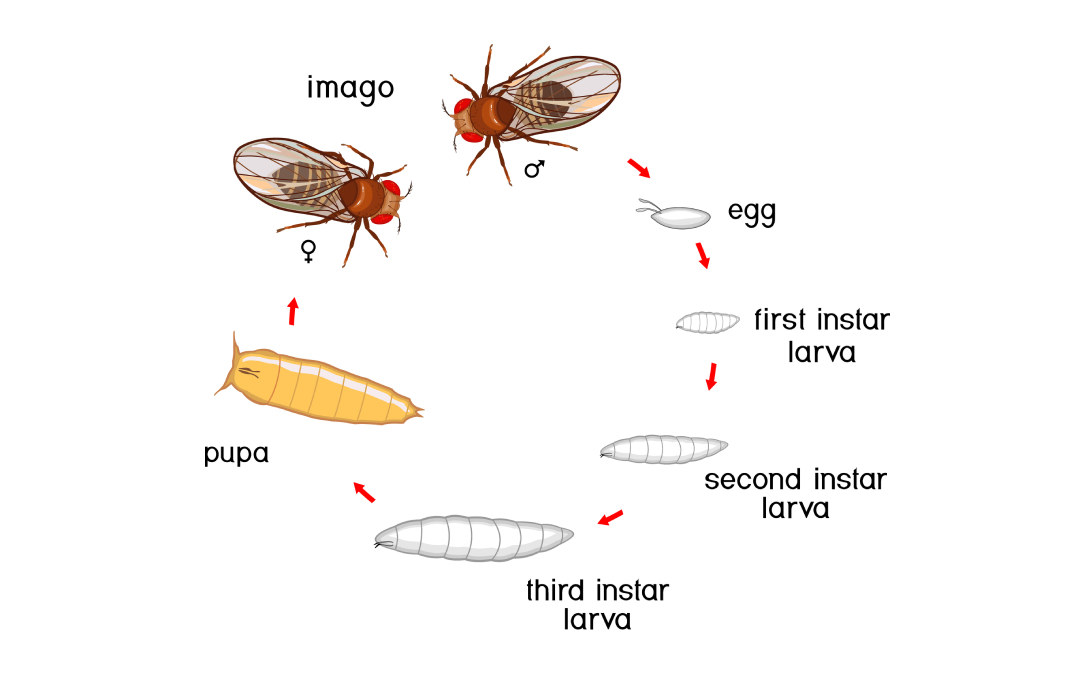
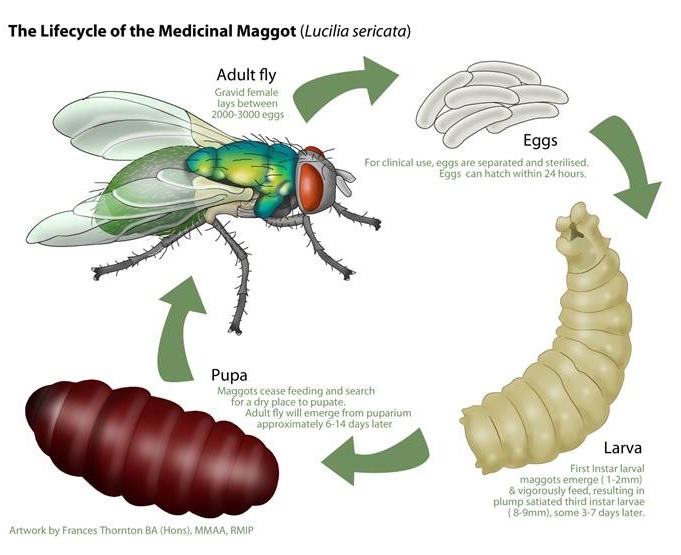
Here’s the step-by-step transformation, stripped of fluff. First, the fly lays eggs on moist, decaying organic matter—think rotten food or animal waste. Within hours, maggots (larvae) hatch. They eat nonstop, molting their skin twice as they grow. After about 5–7 days, they stop eating, crawl to a dry spot, and form a hard, brown shell called a pupa. Inside that shell, their body liquefies and rebuilds into a fly. After 3–5 days, the adult fly pushes its way out, pumps blood into its wings, and flies off to start the cycle again. Total time from egg to fly: roughly 10–14 days.
Want to apply this knowledge without the ick? Prevention is your best friend. Seal your trash cans with tight lids. Take out kitchen bags every 2–3 days. If you find maggots, pour boiling water over them, or sprinkle diatomaceous earth (a natural powder that dehydrates them). For composters, use a dual-bin system: one bin for active waste, another for finished compost, and cover fresh scraps with dry leaves to discourage flies. Pro tip: Hang sticky fly traps away from your house to catch adults before they lay eggs. You can even buy maggot farm kits for scientific observation—great for curious kids or biology nerds.
 Fruit Fly Maggots Pupate In
In communities, this knowledge scales up. Municipalities that compost organic waste efficiently reduce landfill methane and produce free fertilizer. Hospitals in the UK and US have used medical-grade maggots for decades to treat chronic diabetic ulcers. And in crime scene investigations, a maggot’s age can pinpoint a victim’s time of death within hours. This isn’t just biology—it’s justice, healing, and sustainability.
So the next time you see a maggot, don’t just reach for the spray. Pause and appreciate the relentless engine of life happening in that tiny grub. Whether you want to stop flies from taking over your kitchen or harness their power for healing, understanding how maggots turn into flies gives you control and respect over a process that’s been happening since before humans built houses. Embrace the cycle—you’re already part of it.