How Do I Know If My Penny Is Worth Money

You’ve probably got a jar of old pennies rattling around somewhere, and the thought has crossed your mind: “Could one of these be my ticket to something amazing?” This isn’t j...
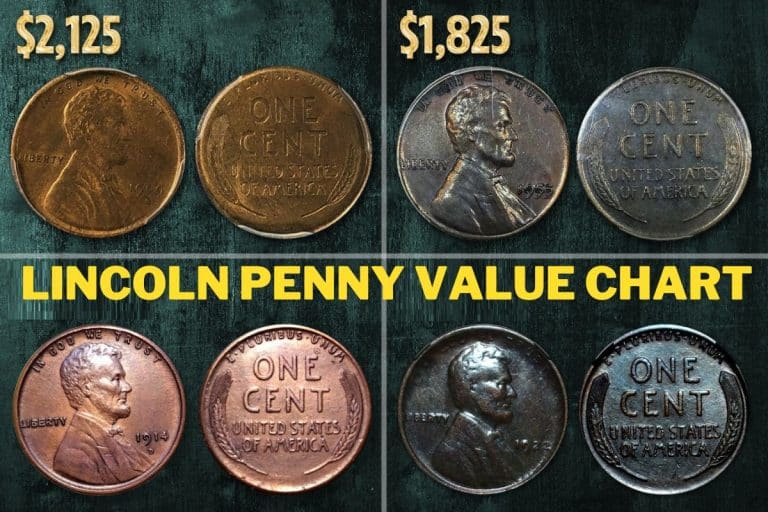
You’ve probably got a jar of old pennies rattling around somewhere, and the thought has crossed your mind: “Could one of these be my ticket to something amazing?” This isn’t just a hobby for coin geeks; it’s a hidden treasure hunt that anyone can join. The real magic of checking your pennies is that it turns a boring chore into a thrilling adventure, especially when you realize a single coin could be worth more than its face value.
Why does this matter for you and your family? It’s a fantastic way to teach kids about history, patience, and the value of paying attention. Imagine sitting at the kitchen table with your children, sorting through a pile of change. You’re not just looking at money; you’re finding stories. A 1943 steel penny, for instance, wasn’t made of copper because the metal was needed for World War II. That little lesson connects you to a global event, making history feel real and personal. For adults, it’s a low-stress hobby that can actually put a little cash back in your pocket, funding a weekend trip or a special dinner without breaking the bank.
Let’s get real with a few examples. You might have a 1955 “Double Die” Lincoln penny where the date and lettering look slightly blurred or doubled. One of these, even in worn condition, can fetch hundreds of dollars. Or, look for a 1969-S “Double Die” – those are rare and can be worth over $30,000. But don’t just search for errors; check your 1983 pennies too. A 1982 or 1983 copper penny (most were copper) can be worth several dollars, while a 1983 zinc one is common. Another sleeper hit? The 1970-S “Small Date” penny. If you find one, it’s worth around $20–$50, and many people overlook it.
Must Read
How do you actually start without becoming a professional? Grab a magnifying glass and a simple coin book or a free smartphone app. First, look at the date and mint mark (the small letter under the date like “D” for Denver, “S” for San Francisco, or nothing for Philadelphia). Scarcity drives value – so older dates and specific mints are gold. Next, check for errors like doubled letters, off-center strikes, or weird coloring (like a “planchet” error where the coin is on the wrong metal). Finally, feel the edge: if it’s smooth and copper-colored, it might be an “Indian Head” from before 1909, which are worth a pretty penny themselves.
You don’t need a lab to make it work. Start by raiding your pocket change every day. When you get a handful of coins back from a purchase, pause for 10 seconds. Look for the ones with a reddish glow (copper) versus a silvery one (steel or zinc). Build a simple system: keep a small cloth bag or a shoebox for “suspects.” Every few months, dump them out and check against a quick online list of top valuable pennies. Your chances are real; over 5 billion pennies are minted each year, and some mistakes slip through.
 Penny Coins
Here’s a practical step that’s easy to adopt: the “Wheat Penny” hunt. Any penny with two wheat stalks on the back (minted from 1909 to 1958) is already worth 2–10 times its face value just for being old. Look for the 1909-S VDB—that’s the holy grail of pennies, worth $1,000–$5,000 in good condition. You can find these in rolls from your bank or in old change jars. The key is consistency. Commit to checking just 50 pennies a week. Over a year, that’s 2,600 coins examined. With that effort, the odds of finding a valuable one go from “slim” to “very possible.”
In the end, this isn’t just about money. It’s about slowing down and noticing the small things. In a world that rushes, taking five minutes to inspect a penny says, “I see value where others miss it.” Whether you find a $5 coin or a $500 one, the thrill of discovery is priceless. Your next penny could be the one that starts a family story, a conversation with a friend, or a tiny investment that pays off. So grab that jar, flip on a light, and start looking. The answer to “Is my penny worth money?” is out there, and it might be waiting right in your hand.
