How Do Heat Pump Water Heaters Work

If you’ve ever stood next to a refrigerator and felt warm air blowing out from underneath, you’ve already grasped the basic idea behind a heat pump water heater. This topic is...
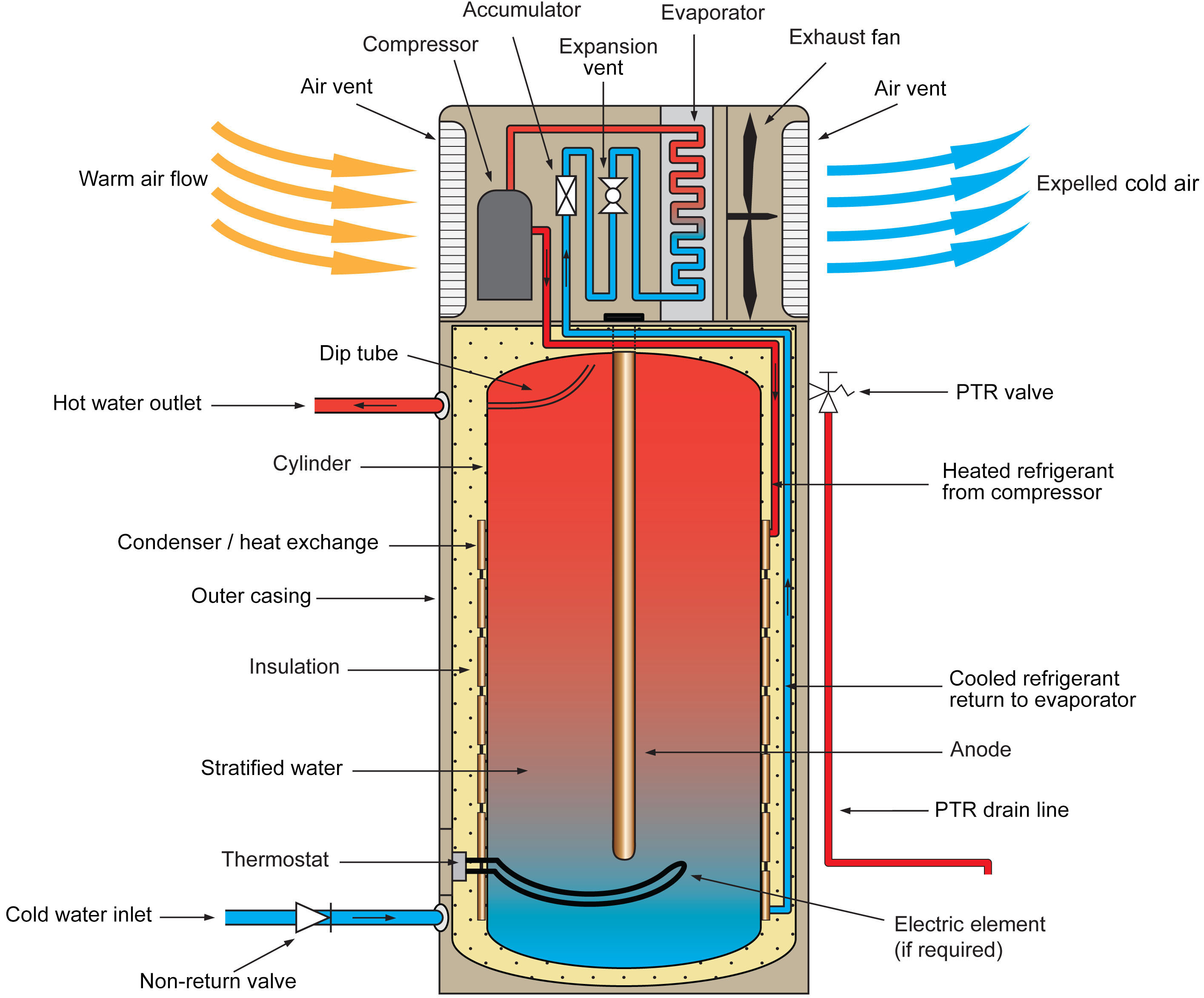
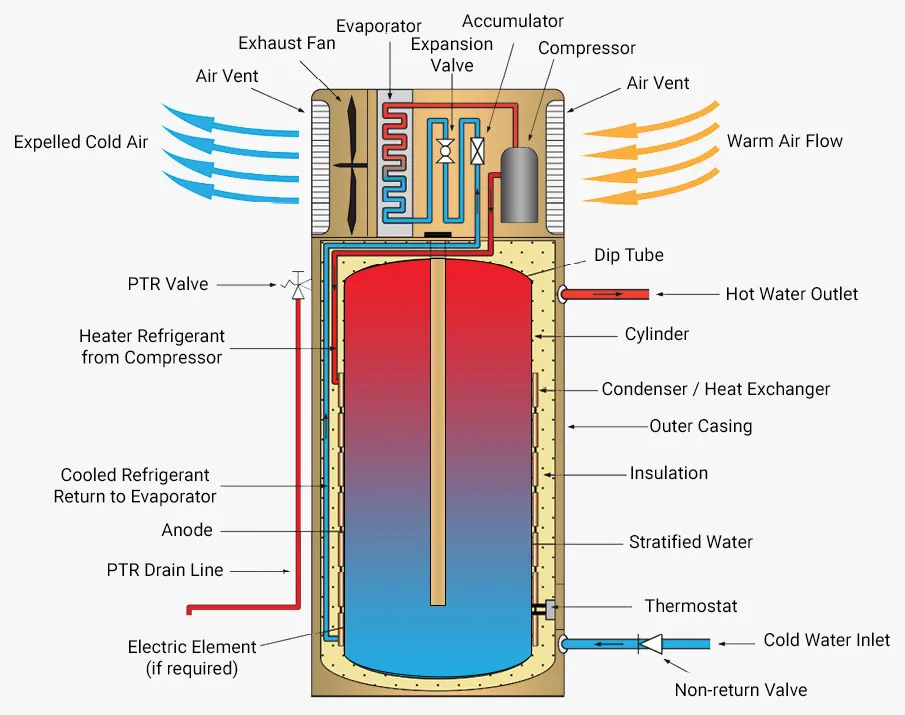
If you’ve ever stood next to a refrigerator and felt warm air blowing out from underneath, you’ve already grasped the basic idea behind a heat pump water heater. This topic is genuinely enjoyable because it combines clever physics with everyday comfort—and it can save you significant money on energy bills. Unlike a traditional electric water heater that creates heat directly, a heat pump water heater moves heat from the surrounding air into your water tank. It’s like working with a smart, eco-friendly assistant that borrows warmth from your basement or garage to give you a hot shower. For homeowners looking to cut costs and reduce their carbon footprint, this technology is a practical, widely appreciated upgrade.
The main purpose of a heat pump water heater is to heat water more efficiently than standard models. While a conventional electric unit uses about one unit of electricity to produce one unit of heat, a heat pump can produce two to three times more energy in hot water for every unit of electricity it consumes. That efficiency is a big win for your wallet and the planet. Families benefit from lower monthly utility bills, landlords reduce operating costs in rental properties, and eco-conscious individuals enjoy a greener home. Think of it as a refrigerator running in reverse—instead of cooling food, it chills the air in your mechanical room while warming your water tank.
You’ve likely noticed common variations of heat pump technology in your daily life. Those mini-split air conditioners or ductless heat pumps that keep your living room cozy? They work on the same principle, just for heating and cooling air instead of water. In warmer climates, many homes use hybrid heat pump water heaters, which come with a backup electric element for cold days when the air temperature drops. Some models even allow you to switch between efficiency mode and high-demand mode. If you’ve ever touched the side of your water heater and felt only slightly warm (instead of hot), you may already have one—they tend to stay cooler on the outside because they’re not generating intense heat inside.
Must Read
Getting started with a heat pump water heater is easier than you might think. First, check your current water heater’s age and energy use—if it’s more than 10 years old, upgrading is often worth it. Look for a location with plenty of air space, like a basement, garage, or utility room, because the unit needs to pull in air from around it (about 1,000 cubic feet of open area is ideal). Many utility companies offer rebates or tax credits for installing an Energy Star-rated model, so check local incentives before buying. If you’re handy, some DIYers can install a hybrid model, but hiring a professional plumber ensures proper ventilation and drainage.
:max_bytes(150000):strip_icc()/Treehugger_Whatisaheatpumpwaterheater_colorv13-bc563d723e6c448cb9d11337ce99afc3.png) Heat Pump Water Heater How Does It Work | Gas Furnace
Heat Pump Water Heater How Does It Work | Gas Furnace
To make the most of your heat pump water heater, adopt a few simple habits. Run it in “heat pump only” mode during mild weather for maximum efficiency, and switch to “hybrid” mode during winter or high-demand times (like holiday mornings when everyone showers). Keep the area around it clear of clutter—don’t stack boxes or paint cans nearby, as good airflow is critical for performance. You can also set the water temperature to 120°F (49°C): hot enough for comfortable showers and dishwashing, but not so high that the pump has to work harder than necessary. Finally, schedule a yearly check of the air filter—similar to your HVAC system’s filter—to keep dust from slowing down the heat transfer.
In summary, heat pump water heaters are a smart, energy-savvy choice for anyone who values lower costs and environmental responsibility. They work by borrowing warmth from the air around them, much like your refrigerator in reverse, and they offer long-term savings that far outweigh the initial investment. Whether you’re upgrading your own home, managing a rental, or just curious about green tech, this appliance brings reliable comfort with a lighter footprint. So next time you step into a hot shower, you might smile knowing the heat came from the spare room—not from burning extra electricity.