How Do Generalist Therapists Attract Clients Compared To Specialists

Ever walked into a buffet and felt totally overwhelmed by the sheer number of choices? That’s kind of how finding a therapist can feel. You’ve got specialists for trauma, anxi...

Ever walked into a buffet and felt totally overwhelmed by the sheer number of choices? That’s kind of how finding a therapist can feel. You’ve got specialists for trauma, anxiety, couples, kids, and even specific phobias like spiders. But then you see the other table: the generalist. You know, the therapist who says they treat “a bit of everything.” How do they even attract clients in a world obsessed with niche experts? Let’s dig into that cool, quiet mystery.
The Jack-of-All-Trades Vibe
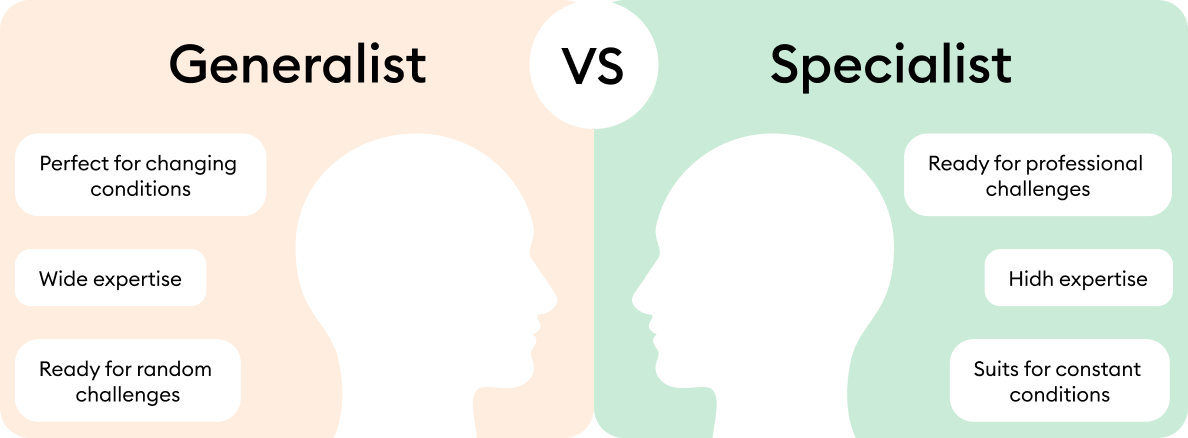
Think of a generalist therapist as a trusty Swiss Army knife. A specialist is more like a high-end, single-purpose chef’s knife. Both are sharp, but they attract different crowds. A generalist doesn’t promise to fix just one thing; they promise to handle whatever life throws at you. That can be incredibly appealing to someone who feels their problems are a messy, tangled knot—not a clean, labeled box.
People often walk into a generalist’s office because they don’t know what’s wrong yet. Maybe they feel “off” or “stuck.” A specialist might ask, “Is this trauma-related?” while a generalist might just say, “Tell me about your day.” That wide-open door feels safer to many folks who aren’t ready for a diagnosis. It’s like going to a cozy general store instead of a specialized electronics boutique.
Must Read
The Specialist’s Secret Sauce
Specialists, on the other hand, have a superpower: instant credibility. If you have panic attacks every single day, you’ll probably search for “panic disorder specialist” online. Their website screams expertise, and you trust them because they only do that one thing. They attract clients through precision—like a laser focusing on a single spot.
But here’s the funny thing: specialists can sometimes repel clients who feel their problem isn’t “bad enough.” Do you really need a grief expert if you’re just a little sad about moving? A generalist catches those people. They attract clients who want a human connection before a clinical label. It’s the difference between ordering a custom-made suit and finding a comfy pair of jeans that just fit.
The Curiosity Factor
Here’s where it gets interesting: generalists often win by being curious instead of certain. A specialist might say, “I know exactly how to treat your OCD.” A generalist might say, “Let’s explore what’s happening together.” For many people, that collaborative, humble vibe is a huge relief. It feels less like a medical procedure and more like a conversation with a wise friend who reads research.
Have you ever noticed how a generalist’s website often uses softer language? Words like “life transitions,” “stress,” and “feeling stuck” pop up again and again. These phrases are magnets for people who aren’t in crisis but feel a little lost. Specialists use words like “PTSD,” “ADHD,” “eating disorders”—which are powerful, but can also feel intimidating. A generalist’s pitch is essentially: “You don’t have to be broken to need help.”
Fun Comparisons to Make You Smile
Imagine a generalist is like your favorite neighborhood diner. They serve burgers, salads, pancakes, and even a weird pasta dish. You go there because you trust the cook to make anything taste good. A specialist is a fancy sushi bar. It’s amazing for sushi, but you wouldn’t go there for a grilled cheese. Both thrive, but they don’t compete for the same hungry customer.
 Skills Mapping: A Step-by-Step Guide for Talent Training
Another one: a generalist is a radio playing a mixed hits channel. You’ll hear pop, rock, and maybe a little jazz. A specialist is a vinyl record of one specific band. The radio attracts people who want variety and discovery. The record attracts collectors who want depth. Which one would you rather listen to on a rainy Tuesday? Your answer says a lot about how you pick a therapist.
Why the Generalist’s Style Wins for Many
Generalists have a secret weapon: flexibility. If a client starts therapy for anxiety and then realizes they have deep family issues, the generalist doesn’t have to refer them out. They just shift gears. This keeps clients feeling safe and seen. A specialist might have to say, “I’m sorry, this is outside my area.” That’s not bad—it’s ethical—but it can feel like a rejection.
Plus, generalists often have broader life experience. They’ve seen heartbreak, career changes, and existential dread all in one afternoon. This variety makes them incredibly resourceful. They can pull a technique from their “couples work” hat and apply it to your work stress. It’s like having a toolbox with a little bit of everything rather than a single, very expensive screwdriver.
The Coolest Part: It’s a Two-Way Street
Here’s the truth bombshell: neither type is better. They just attract different crowds. A specialist attracts people who want a targeted, efficient solution. A generalist attracts people who want a companion for a messy, winding journey. And guess what? Many clients start with a generalist, gain some clarity, and then move to a specialist for deeper work. Or they do the reverse.
So next time you see a therapist’s profile that says “I work with adults facing life’s challenges,” don’t roll your eyes. They’re not being vague—they’re leaving the door wide open for you, just as you are. A specialist might demand you know your problem before you walk in. A generalist invites you to show up and figure it out together. And honestly? That’s a pretty beautiful, curious way to approach a human being.
