How Do Crown Families Influence Global Politics?

Welcome to the surprisingly fun world of royal intrigue! You might think that kings, queens, and princes are just pageantry and waving from carriages—but you’d be missing a ma...
Welcome to the surprisingly fun world of royal intrigue! You might think that kings, queens, and princes are just pageantry and waving from carriages—but you’d be missing a major piece of the global power puzzle. The influence of crown families on global politics is both subtle and enormous, often working behind closed doors to shape trade, diplomacy, and even military alliances. Understanding how these old-world dynasties still pull strings today is like having a secret map to modern power. The best part? You’ll never watch a state banquet the same way again, and you’ll gain a sharp edge in conversations about world affairs.
The purpose of this article is to pull back the velvet curtain, showing you exactly how monarchies—from Saudi Arabia to the United Kingdom to Japan—wield influence that often exceeds that of elected officials. The key advantage here is clarity: by seeing how bloodlines, wealth, and soft power work together, you can better predict why certain countries act the way they do. For example, when a crown prince visits Wall Street, it’s not just a photo op—it’s a signal to investors. Knowing this helps you connect the dots between a royal wedding and a billion-dollar trade deal.
Let’s dive into a creative example: imagine a fictional summit between the Saudi Crown Prince and the British King. On the surface, they chat about falconry and tea. Behind the scenes, they’re negotiating arms sales and oil prices, smoothing over rough patches with personal trust built over decades. That’s the secret sauce of crown families—they offer stability and continuity that elected leaders can’t. A president may lose an election, but a king’s grandson is still at the table. Another real-world example: the Japanese Imperial Family rarely makes political statements, yet their quiet visits to war memorials or foreign capitals can dramatically shift public sentiment in Asia, especially regarding historical grievances. Their soft power is a gentle but relentless tide.
Must Read
Now, consider the “Gulf monarchies” like Qatar and the United Arab Emirates. Their royal families don’t just rule—they own the investments. The Qatar Investment Authority, controlled by the Al Thani family, holds stakes in companies from Barclays Bank to the Shard skyscraper in London. When a sheikh decides to buy a football club in Paris or Los Angeles, that’s a geopolitical tool. It builds influence with Western governments and creates loyal media outlets. Think of it as diplomacy through shopping—and crown families are expert shoppers. Even Europe’s “ceremonial” monarchies, like the Dutch and Spanish, use their neutral status to host secret peace talks. Prince Charles (now King Charles III) famously held off-the-record meetings with Russian oligarchs and Middle Eastern leaders, acting as a quiet bridge for British intelligence.
Here’s a practical tip for you: start following the royal investment portfolios of monarchies like Saudi Arabia’s Public Investment Fund or Norway’s (yes, technically a sovereign wealth fund, but driven by royal tradition). News about a crown prince buying a stake in Uber or a luxury hotel in Bali is often a leading indicator of a new diplomatic alliance. For example, when the Saudi crown prince invested in American technology firms in 2017, it preceded a thaw in U.S.-Saudi relations. Another tip: watch royal visits to conflict zones. When the King of Jordan steps into a refugee camp with the President of the European Commission, that man is doing more than charity work—he is legitimizing a foreign policy stance.
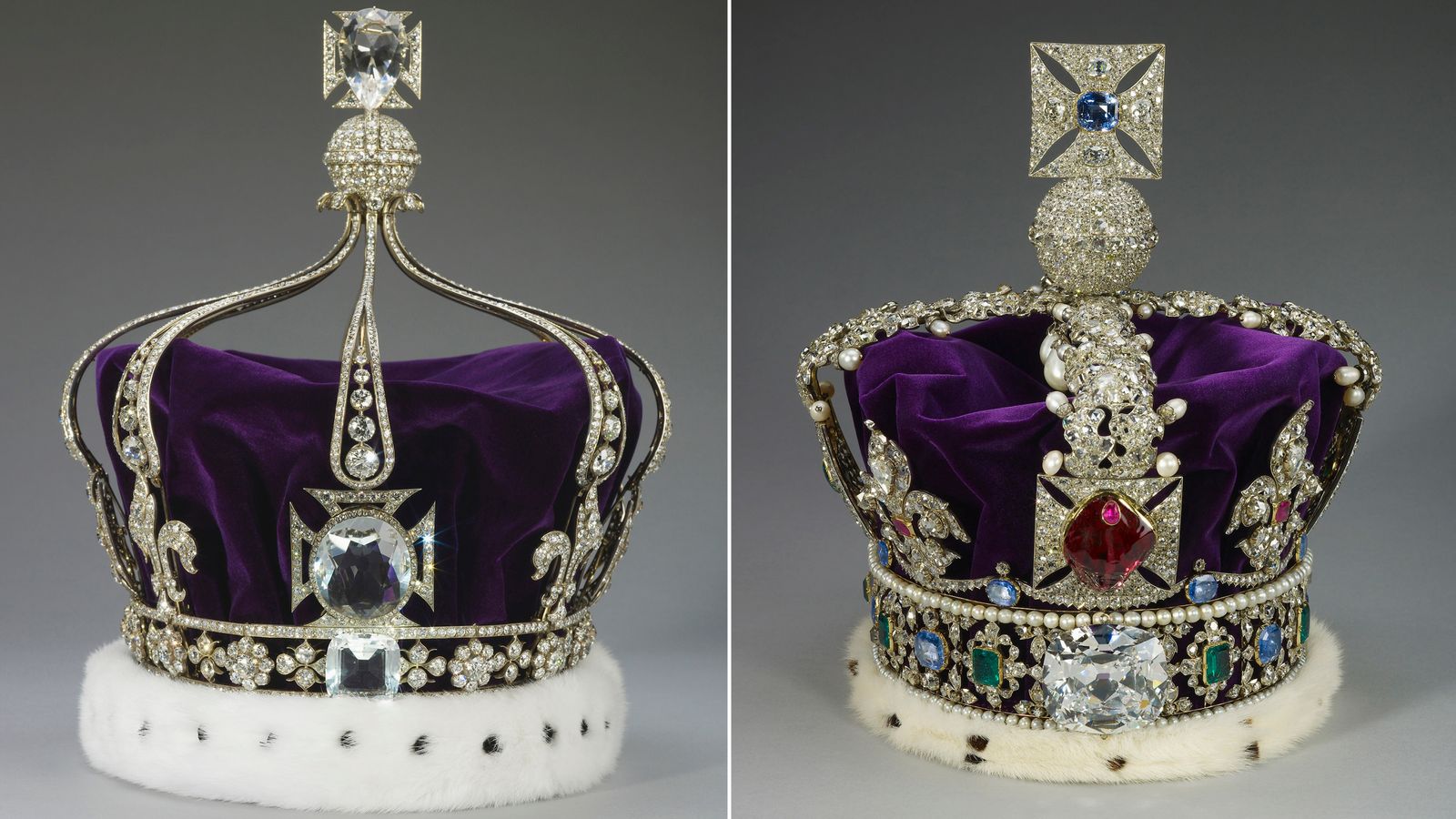 Coronation route confirmed: King and Queen Consort to use bumpy gold
But how can you, a regular person, “try” this lens of analysis? Start with one crown family. Pick the House of Saud. Today, just Google “Saudi crown prince diplomatic visit” and see what trade deals are announced alongside the photos. Compare it to the “Bahrain royal family meeting with Israeli officials” (which happens more than you think). Jot down the pattern: a royal handshake now often signals a formal shift in alliances that might not be reported in the news cycle. Try it for a month, and you’ll be amazed at how often the crown family’s dinner menu hints at the next war or peace treaty.
Finally, remember the biggest advantage of this knowledge: you become a better predictor of global stability. When a crown family loses its grip (like the public feud within the Thai royal family or the Saudi crown prince’s power consolidation), expect tremors in oil markets and regional security. It’s not magic—it’s monarchy mechanics. By learning to spot their fingerprints on trade, diplomacy, and even climate summits, you gain a fun, practical tool for understanding why your retirement fund goes up or down. So next time you see a crown on a flag, don’t yawn—smile. You now know the game being played.
