How Did They Build The Pyramids

You’ve probably seen the pyramids—those massive triangles in the desert—and wondered: how on Earth did they build them? It’s one of history’s most popular puzzles, and people...
You’ve probably seen the pyramids—those massive triangles in the desert—and wondered: how on Earth did they build them? It’s one of history’s most popular puzzles, and people of all ages get hooked on it. The usefulness of understanding this ancient feat goes way beyond trivia. It matters because it teaches us that human ingenuity and teamwork can conquer seemingly impossible challenges. For individuals, it sparks curiosity and a can-do attitude in daily life. For families, it’s a conversation starter at dinner or during a documentary night. Communities can find inspiration in the idea that ordinary people, working together with simple tools, created something extraordinary. This isn’t just about history—it’s about our own potential to solve problems today.
So, why does the building method matter so much? First, it demystifies the past. Instead of imagining aliens or magic, we see real, practical solutions. For example, historians believe workers used water-soaked sand to make pulling heavy stone blocks easier—a trick you can try with a bucket and a toy sled at home. This knowledge benefits individuals by reducing fear of complexity. When you realize that the pyramids were built step-by-step (not all at once), you can apply that to your own big projects, like saving for a house or learning a new skill. For families, it’s a bonding experience: watching a documentary and then building a pyramid out of sugar cubes or cardboard is a classic rainy-day activity. Communities, too, can draw on this—think of a local park clean-up: if Egyptians moved 2.3 million stone blocks, a neighborhood can certainly move a few trash bins together. The underlying lesson: break a big task into small, consistent efforts.
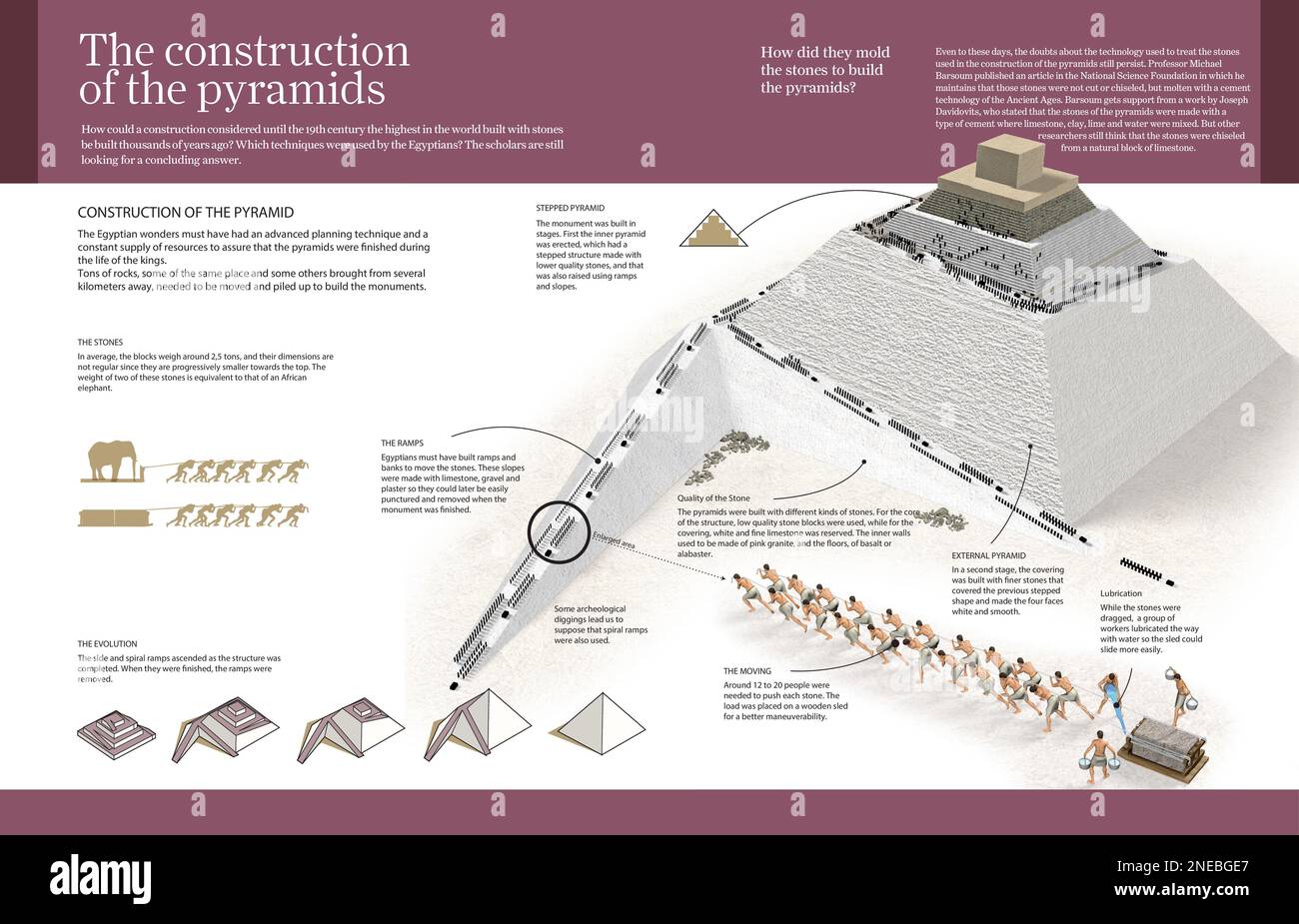
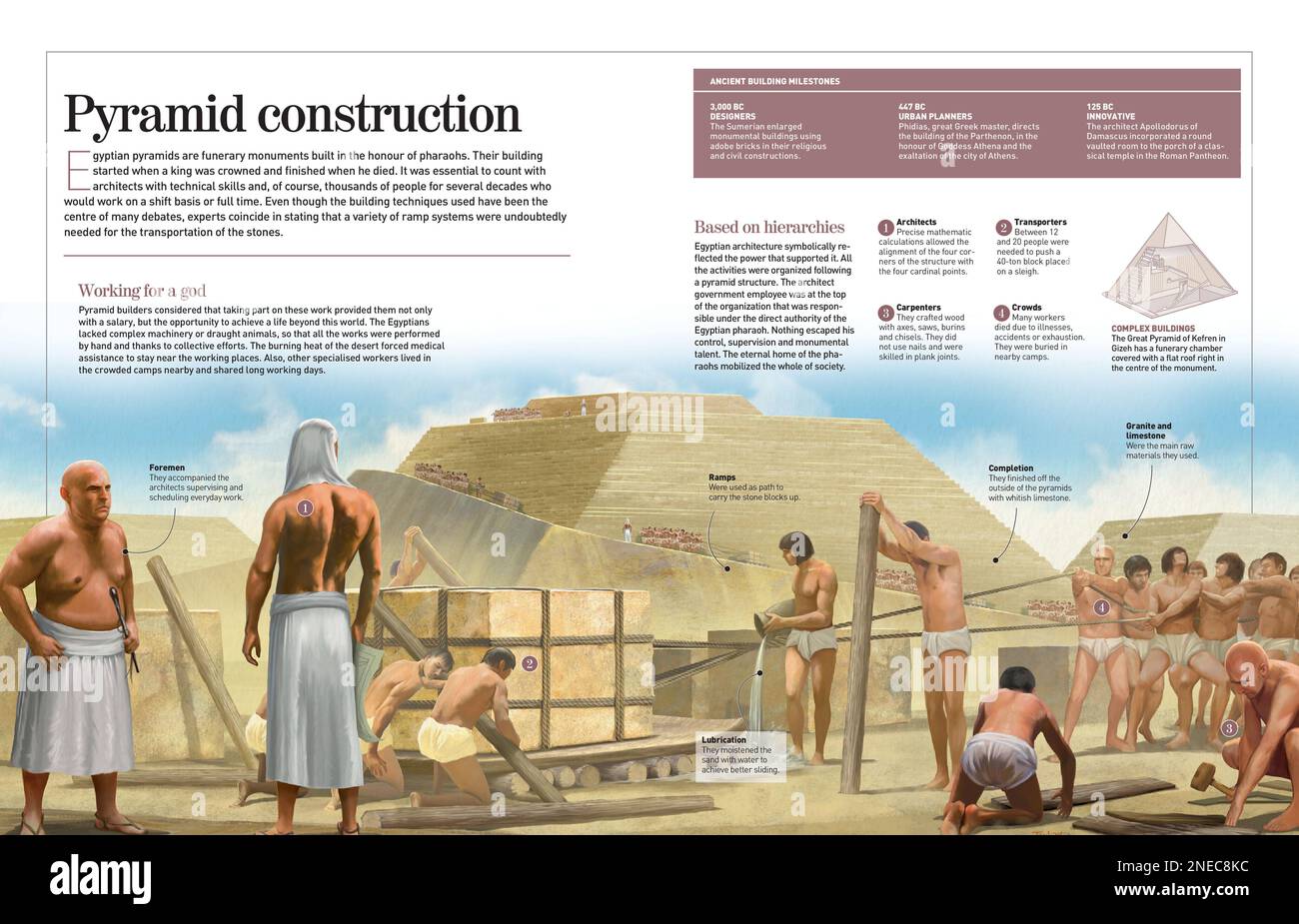
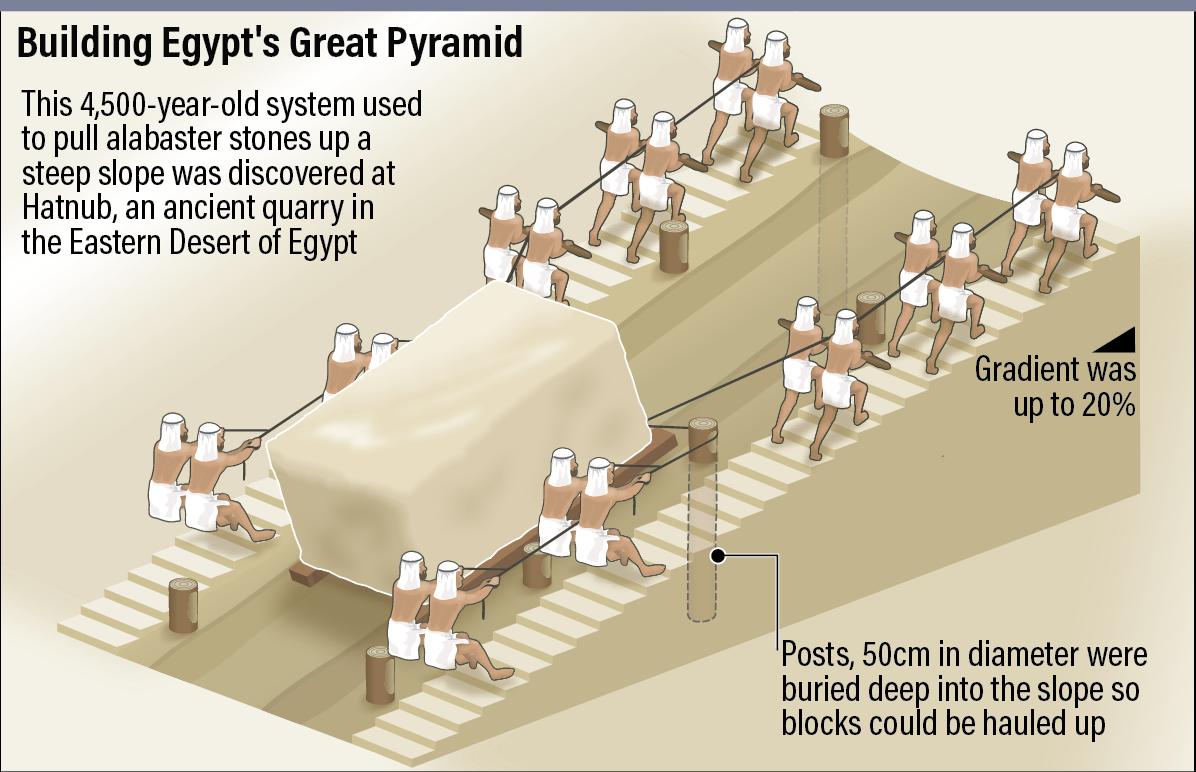
How did they actually do it? The short answer is smart physics and massive manpower. The long answer involves ramps, barges, and incredible organization. A leading theory is that workers built a long, sloping ramp of mud bricks and limestone chippings around the pyramid as it rose. They then dragged the stones (weighing 2.5 tons each) up the ramp using wooden sleds and ropes. To reduce friction, they poured water on the sand—a technique confirmed by a 2014 study from the University of Amsterdam. This is a perfect real-life example: you use it every time you lubricate a sticking drawer or slide a heavy box across a floor. Another method: boats on the Nile carried stones from quarries, and canals were dug right to the building site. Imagine a giant puzzle where each stone was cut with copper tools and then fitted so precisely you can’t slide a credit card between them. This level of precision isn’t just for Pharaohs—it’s relevant to modern construction, from your family’s deck to a city bridge.
Must Read
How can you easily apply these lessons to your own life? Start small. First, adopt the water-on-sand principle: when a task feels stuck (like writing a report or cleaning the garage), change the conditions. Wet the sand—metaphorically. That might mean switching to a different tool, asking for help, or taking a short break. Second, use the ramp method for goals: instead of trying to “build a pyramid” in a day, break it into stages. For instance, if you want to run a marathon, start with a walk-jog ramp—2 minutes running, 1 minute walking—and gradually increase the incline. Third, practice teamwork like the builders: they had crews of 20–40 men per block, each with a leader. In your family or community, assign clear roles for a shared project (e.g., a garden: one digs, one plants, one waters). Finally, embrace the mystery—you don’t need all the answers. The Egyptians never left a manual, yet they succeeded. Try doing one thing today without overplanning: just start, use your resources, and adjust as you go.
Here are a few more real-life examples of how this ancient know-how is enjoyed today. Museum visitors love seeing reconstructed ramps and sleds—it makes the past tangible. In classrooms, teachers use pyramid-building as a team-building exercise where kids haul toy blocks with ropes, learning physics and cooperation. YouTube channels (like “History for Granite”) simulate the methods, getting millions of views because it’s so satisfying to watch. Even engineers study the pyramids for lessons in logistics and durability—the Great Pyramid is the only surviving Seven Wonder of the Ancient World. For families, visiting a pyramid in person or virtually can spark awe and a conversation about patience and persistence. It’s not just a tourist photo; it’s a reminder that real progress comes from small, smart steps over decades.
 Marvelous Info About How To Build Ancient Egyptian Pyramids - Waylake
Now, here are some practical suggestions to start applying this today. First, watch a short documentary (like NOVA’s “This Old Pyramid”) with your family—then try building a mini pyramid from sugar cubes or LEGOs. This simple activity will teach you why the Egyptians used ramps and not modern cranes. Second, use the “one block at a time” mindset for a current challenge. Got a messy room? Don’t think “clean the whole room” (the pyramid); think “move one block”: put one book away, then one shirt. Third, apply the water trick in a literal way: next time you need to move a heavy piece of furniture on a carpet, dampen the carpet slightly—the reduced friction will surprise you. Fourth, organize a community project modeled on the pyramid teams. For example, a neighborhood potluck where each person brings one dish (a block) and you all build a meal together. Every small action mirrors the ancient builders’ patience and coordination. Try it—you might just find that you’re more capable than you thought.
To wrap it up positively: the pyramids are not just ancient tombs—they are a living lesson in human achievement. They were built by people just like you and me, using observation, adaptation, and collective effort. In a world that often feels overwhelmed by big problems (climate change, health, finances), the pyramids remind us that massive results come from small, consistent actions. Whether you’re a student struggling with homework, a parent planning a family vacation, or a community leader organizing a fundraiser, the pyramid builders offer a blueprint: use what you have, work like a team, and never underestimate the power of a little water on the sand. So next time you see that iconic triangle, smile—it’s proof that together, we can move mountains. And maybe, just maybe, you’ll look at your own to-do list and say: “If they could build that, I can handle this.” Keep building, one stone at a time.