How Did Niccolo Machiavelli's Ideas Contribute To Enlightenment Thinking

Machiavelli's Shadow: How The Prince's Ideas Lit Up The Enlightenment Imagine you're at a dinner party, and someone brings up Niccolò Machiavelli. You might think, "Oh great,...
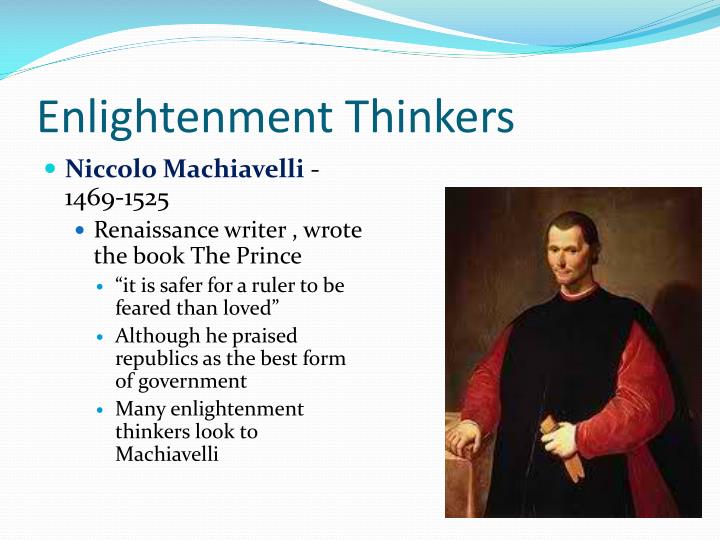
Machiavelli's Shadow: How The Prince's Ideas Lit Up The Enlightenment
Imagine you're at a dinner party, and someone brings up Niccolò Machiavelli. You might think, "Oh great, here we go again with 'the ends justify the means' and 'keep your friends close, but your enemies closer'." But hold up, because Machiavelli's ideas were like a spark that ignited the Enlightenment. Let's dive in, shall we?
Meet Niccolò: The Original Political Reality TV Star
Born in Florence in 1469, Machiavelli was like the original political reality TV star. He served as a diplomat, wrote political treatises, and even got banished from his home city for a bit. His magnum opus, The Prince, was like his political reality TV show manifesto, dropped in 1532.
Now, you might think Machiavelli was all about being ruthless. But here's the thing: he wasn't just advocating for cold-hearted leadership. He was saying, "Hey, let's be real about how power works." And that honesty was a breath of fresh air in the stuffy, idealistic courts of his time.
Must Read
Machiavelli's Enlightenment Spark
Fast forward to the 17th and 18th centuries. The Enlightenment was in full swing, and thinkers like John Locke, Voltaire, and Immanuel Kant were shaking up the world with their ideas about reason, liberty, and government. But where did they get their inspiration?
Machiavelli's ideas were like a match that lit the Enlightenment fire. His emphasis on practicality and realism challenged the prevailing political theories of his time. He argued that a leader's actions should be guided by what works, not what's traditionally 'right' or 'moral'.
Think of it like this: Machiavelli was the guy who said, "Let's stop pretending that leaders are all-knowing, all-powerful beings. They're human, they make mistakes, and they have to deal with real-world problems." And the Enlightenment thinkers were like, "Yeah, you're right. Let's build a political philosophy on that."
 Niccolò Machiavelli | Who was, biography, thought, contributions
Machiavelli in Pop Culture: From Shakespeare to 'House of Cards'
Machiavelli's ideas have seeped into our pop culture like ink in water. Shakespeare's Macbeth is basically a Machiavellian how-to guide gone wrong. And let's not forget Frank Underwood from House of Cards, who's practically Machiavelli reincarnated as a Southern gentleman with a penchant for power plays.
But it's not all about the drama. Machiavelli's ideas have also influenced modern political theory and practice. His emphasis on the importance of a strong central authority has echoes in the works of political scientists like Thomas Hobbes and Jean Bodin.
Practical Machiavelli: Tips for Everyday Life
So, what does all this mean for us today? Well, Machiavelli's ideas can be a useful reminder that life isn't always fair, and sometimes you've got to play the hand you're dealt. Here are a few practical tips:
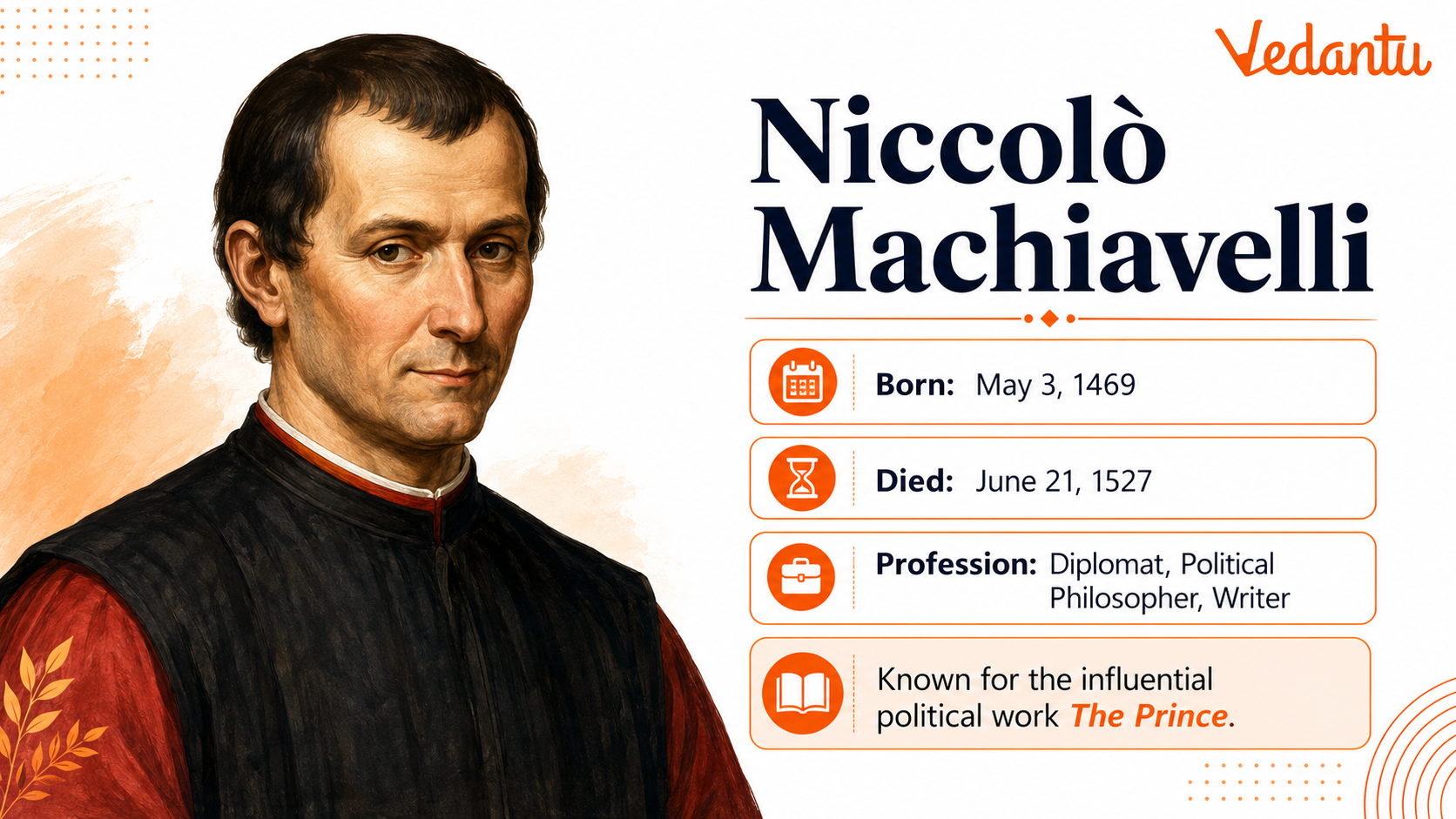 Niccolo Machiavelli Biography Life and Political Ideas
- Be realistic: Don't expect perfection from yourself or others. Instead, focus on what's practical and achievable.
- Adapt: Machiavelli believed in being flexible and adaptable. Life's full of changes, so roll with the punches.
- Know your audience: Whether you're giving a presentation at work or trying to convince your kids to eat their veggies, understanding who you're talking to can help you get your message across.
Reflection: Machiavelli and the Art of Balance
Machiavelli's ideas can be a double-edged sword. On one hand, they remind us to be practical and realistic. On the other, they can lead us down a path of cynicism and ruthlessness. The key, perhaps, is to find a balance.
In our daily lives, let's strive to be practical but not cynical, adaptable but not spineless, and realistic but not pessimistic. Because while Machiavelli might have been onto something when he said, "It is better to be loved than feared," it's probably best to aim for a bit of both.
So, the next time someone brings up Machiavelli at a dinner party, you can smile, raise your glass, and say, "Cheers to the man who lit the Enlightenment fire. May we always strive for a little more practicality and a little less idealism."
