How Did Crown Families Influence History?

There is a unique fascination in tracing the invisible threads that connect our modern world to the decisions made in gilded palaces centuries ago. For many, history isn’t jus...
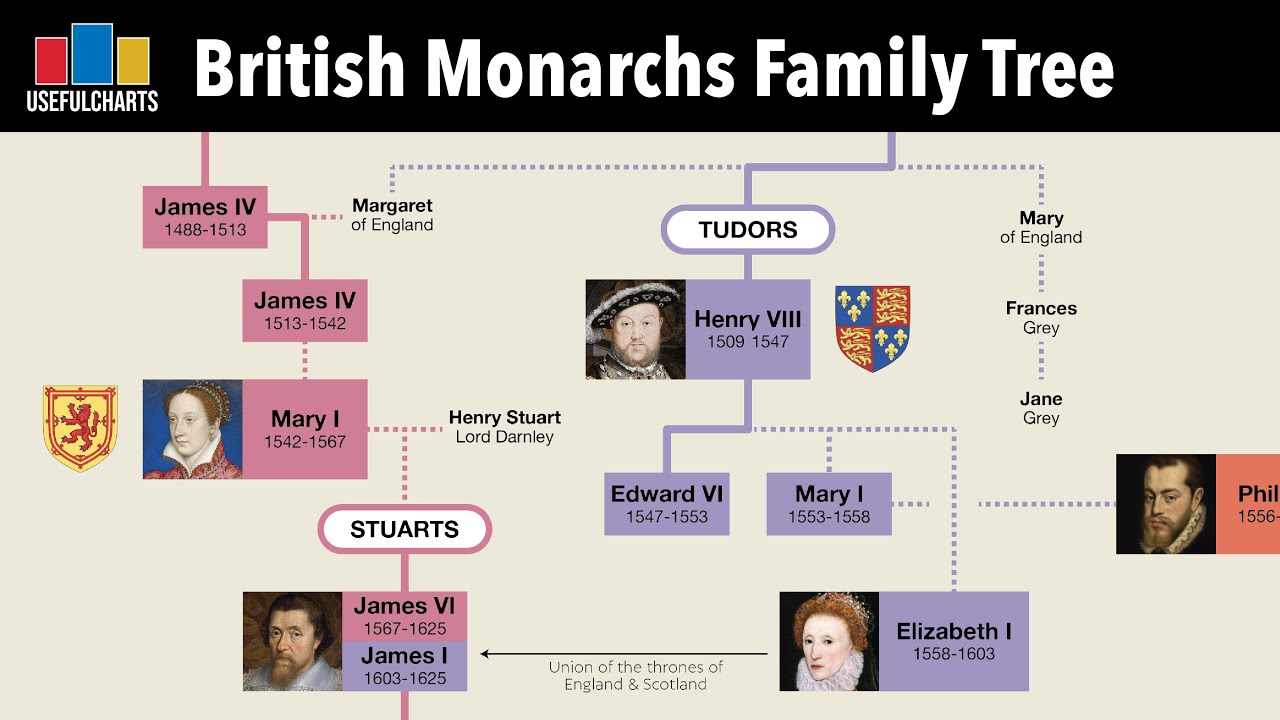
There is a unique fascination in tracing the invisible threads that connect our modern world to the decisions made in gilded palaces centuries ago. For many, history isn’t just a list of dates and wars; it is a family drama played out on a global stage. The allure lies in realizing that the personal ambitions, rivalries, and even the romantic entanglements of a single, powerful family—a crown family—could reshape borders, ignite wars, and dictate the language you speak today. This is why studying dynasties like the Habsburgs, the Tudors, or the Romanovs feels less like a dusty academic exercise and more like a gripping, high-stakes saga that still echoes in our daily lives.
The core purpose of a crown family has always been continuity. Unlike elected leaders who serve for a term, a monarch’s primary duty is to secure the dynasty’s future for generations. This singular goal shaped every major decision, from whom they married to which wars they fought. For example, the marriage of Ferdinand of Aragon and Isabella of Castile was not a romantic fairy tale but a strategic merger that created the unified Kingdom of Spain. This single union funded Christopher Columbus’s voyages, leading to the colonization of the Americas and the spread of the Spanish language and culture across an entire continent. The benefit for us today? Understanding these family alliances explains why millions of people in Latin America speak Spanish, follow Catholic traditions, and have legal systems rooted in Roman law.
The influence of crown families often appears in the mundane details of your breakfast table. Consider the spice trade. For centuries, the Portuguese and Spanish royal families owned the monopoly on cinnamon, pepper, and nutmeg. They financed dangerous expeditions to India and the Spice Islands not out of curiosity, but to fill their royal coffers and outmaneuver rival dynasties like the Dutch House of Orange. This competition led to the discovery of global sea routes, the establishment of colonial empires, and the creation of the first multinational corporations. When you sprinkle cinnamon on your oatmeal today, you are tasting the legacy of a crown family’s strategic obsession with wealth and control over global resources.
Must Read
On a more personal level, crown families have directly shaped your concept of law and governance. The English Magna Carta of 1215 was a direct response to the abuses of King John, a member of the Plantagenet dynasty. This document, forced upon him by rebellious barons, established that no one, not even a king, is above the law. This idea—that the ruler’s power must be limited by a set of rules—became a cornerstone of modern democracy. Centuries later, when the American colonists declared independence, they explicitly cited the “long train of abuses” by the British crown, particularly King George III. This shows that the very structure of your rights—trial by jury, due process, and representative government—was forged in the crucible of conflict between crown families and their subjects.
The downfall of crown families also teaches us a crucial lesson about the dangers of insularity. The Romanovs of Russia, for example, were famously resistant to political and social change. As industrial revolutions swept across Europe, Tsar Nicholas II maintained an absolute, divine-right monarchy that ignored the suffering of peasants and workers. This rigid refusal to adapt led to the Russian Revolution in 1917, which not only ended the 300-year-old dynasty but also ushered in a communist regime that reshaped global politics for the entire 20th century. The takeaway for your everyday life is clear: systems—whether a family business, a government, or a personal relationship—must evolve to survive. Stubborn adherence to outdated power structures inevitably leads to collapse.
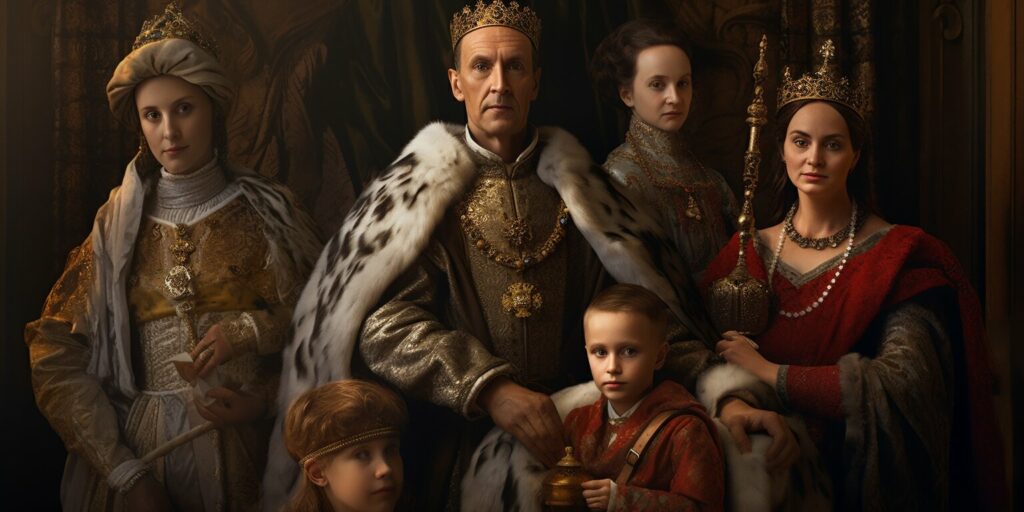 Medieval Royalty: Power, Prestige, and Politics
If you want to explore this topic on your own, start by picking a single famous dynasty. Instead of reading a dense textbook, try a biography of one of its key members. For instance, read about Queen Elizabeth I of England. Her decisions about marriage, religion, and trade were not just personal; they were state policy. You will see how her refusal to marry kept England independent from Spanish or French control. Next, look at your own daily geography. Find a map of Europe from 1500 and compare it to one from 1900. Notice how the borders of countries like Austria, Spain, and Poland were often drawn by the marriage contracts and inheritance laws of crown families. This simple visual exercise makes the historical influence immediately tangible.
Finally, pay attention to the objects around you. The next time you see a portrait of a monarch in a museum or a building named after a royal charter, ask yourself: “What family struggle led to this?” The porcelain on your table has a history tied to a royal patron’s desire for luxury. The tea you drink was once a royal monopoly. By viewing history through the lens of these powerful families, you transform from a passive observer into an active detective, uncovering how the ambitions, mistakes, and ambitions of a few crown families continue to shape the language, laws, and opportunities of your everyday world.

