How Did Cathy Die In Wuthering Heights

Welcome to the wild, windswept world of Wuthering Heights—where love is a storm, revenge is a hobby, and death is, well, dramatic. If you’ve ever wondered, “How did Cathy die?...
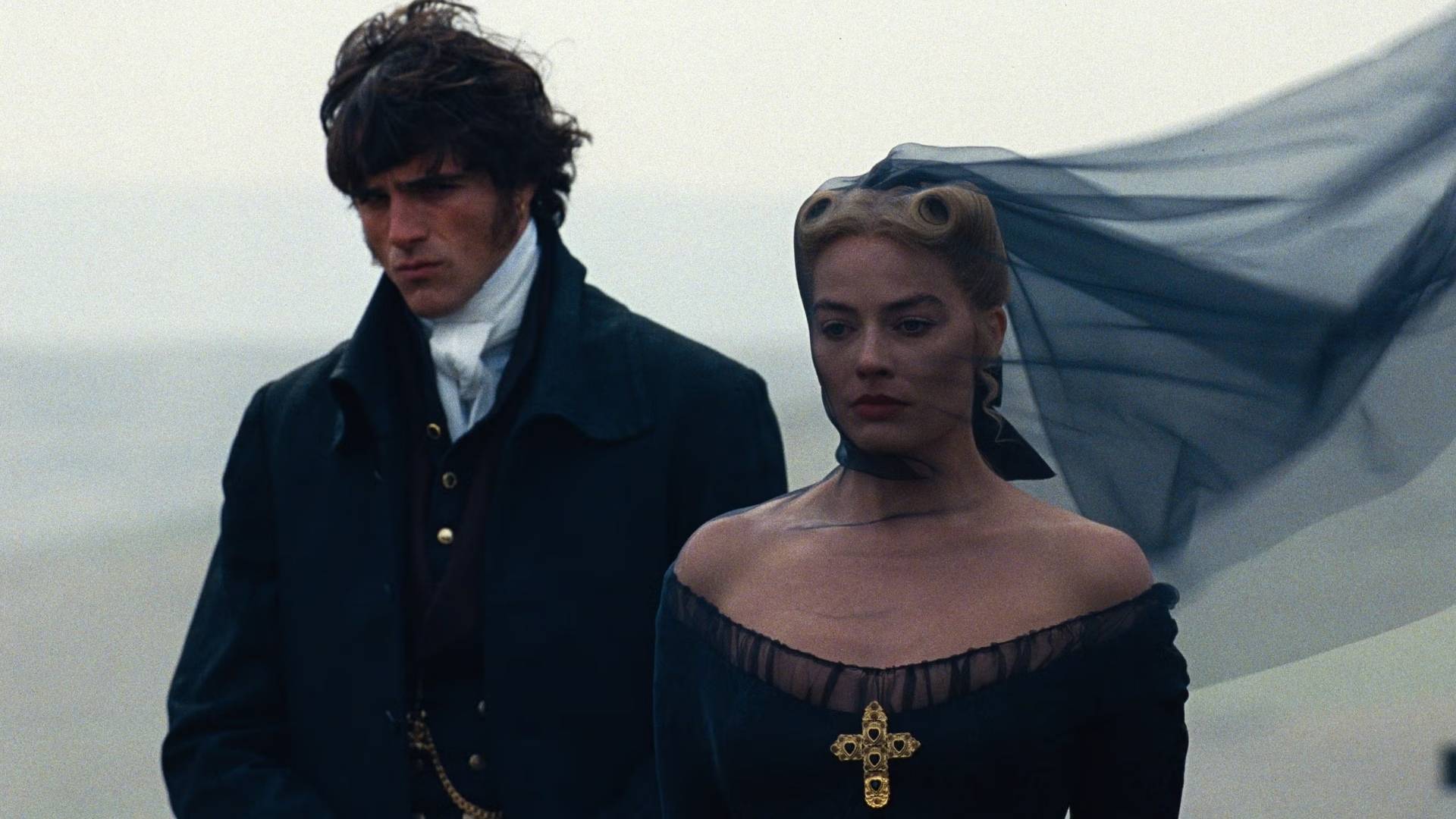
Welcome to the wild, windswept world of Wuthering Heights—where love is a storm, revenge is a hobby, and death is, well, dramatic. If you’ve ever wondered, “How did Cathy die?” you’re in for a treat. This isn’t just a spoiler; it’s a masterclass in why Emily Brontë’s novel still haunts us two centuries later. Understanding Cathy’s end is like unlocking the secret engine of the story: it explains Heathcliff’s madness, the Gothic atmosphere, and why every character seems to be either crying or laughing maniacally. The advantage? You’ll never read a breakup scene the same way again. So grab a cup of tea (or something stronger), and let’s dissect the most heart-wrenching death in English literature.
First, the blunt facts: Catherine Earnshaw Linton dies in Chapter 16, after giving birth to her daughter, also named Catherine. But don’t be fooled—childbirth is the final act, not the cause. Brontë makes it clear that Cathy willed herself to die because she couldn’t bear the emotional split between her two loves: the passionate, savage Heathcliff and the civilized, proper Edgar Linton. This isn’t a “died of a broken heart” cliché; it’s psychosomatic self-destruction. She stops eating, stops sleeping, and lets her mind fray into delirium. Picture it: she rips her pillow apart, talks to ghosts, and claims she can see the wind. Her body just gives up. The key detail? She says she wants to “shatter” herself before she can be torn apart by choice.
Now, let’s get creative: imagine Cathy’s death as a modern horror movie. She’s the final girl who refuses to choose between two men, so her psyche literally implodes. In Chapter 12, she throws open her window to feel the storm—“I wish I were a girl again, half savage and hardy, and free”—and then collapses. Heathcliff’s arrival at her bedside is the jump scare: he howls, kisses her, and blames her for betraying him. Their last conversation is a toxic duet of blame and love. Cathy dies with Heathcliff’s name on her lips, but her eyes fixed on the window—the symbol of freedom she craved. The real tragedy? She dies knowing she created the prison she hates. It’s like watching someone set their own house on fire and then refuse to leave.
Must Read
But wait—there’s a bizarre twist in the text. After her death, Brontë drops a bombshell: she’s buried not in the churchyard, but on a “green slope” with Heathcliff’s side of the grave left open, so they can eventually share a coffin. Yes, you read that right—Heathcliff literally digs up her grave years later to lie beside her skeleton. This isn’t just dark; it’s gothic necromancy. Cathy’s death becomes a haunting literal and figurative. In Chapter 29, Heathcliff says he feels her ghost “every night.” Some readers think Cathy died to become a ghost, as if her spirit was too wild for heaven or hell. The practical takeaway: Don’t break up with a guy who owns a graveyard—but seriously, her death shows how unresolved emotions can fester into obsession.
Here’s a practical tip for readers: pay attention to the weather before Cathy’s death. Brontë uses storms, fog, and freezing cold to mirror Cathy’s internal state. When she dies, the weather is “sleet and wind” outside her window. Notice that? It’s a narrative trick: the setting is a character. Next time you write or analyze a story, try matching the weather to your character’s mood. Cathy’s death also teaches us foreshadowing—she talks about “shattering” long before she does. That’s gold for writers. If you’re stuck on a scene, have a character say something they think is metaphorical, but make it literal later. Brontë does this with Cathy’s famous line, “I am Heathcliff.” She means it symbolically; then she dies because the symbol can’t survive real life.
 Catherine's Death ( Wuthering Heights, 2009 ) - YouTube
Another creative angle: turn Cathy’s death into a modern metaphor for burnout. She’s torn between two identities (wild girl vs. proper wife) and exhausts herself trying to please everyone. In a 2024 lens, she represents anyone who suppresses their true self for social approval until they self-destruct. Her death is a warning: You cannot split yourself in two and live. Think of it like a smartphone battery forced to power two conflicting apps—eventually, it overheats and shuts down. Heathcliff is the dangerous app; Edgar is the draining app. The result? System failure. That’s Cathy’s death in a nutshell.
Finally, a tip for book clubs or solo readers: debate whether Cathy’s death was inevitable or a choice. Brontë leaves it ambiguous. Did she die of fever (physical cause) or a broken will (emotional cause)? The answer affects how you read Heathcliff’s revenge. If she chose death, he’s a tragic Romeo. If she was killed by circumstance, he’s a monster. My advice? Reread Chapter 15, where they meet for the last time. Notice Heathcliff’s tears—he cries, which is rare. Cathy’s death is the pivot point of the entire novel. Once you know she died because she couldn’t reconcile love and identity, the whole story clicks into place like a ghostly puzzle piece. So go ahead—embrace the drama. Cathy’s death isn’t just sad; it’s the wild, tragic heart of a book that refuses to be tamed.
