How Can Fish Oil Help You Lose Weight

Reel in the Benefits: Can Fish Oil Help You Shed Pounds? Ever felt like you're swimming upstream when it comes to weight loss? Well, it might be time to dive into the world o...
Reel in the Benefits: Can Fish Oil Help You Shed Pounds?
Ever felt like you're swimming upstream when it comes to weight loss? Well, it might be time to dive into the world of fish oil. This little golden liquid, squeezed from the tissues of oily fish like salmon and mackerel, is more than just a tasty addition to your sushi roll. It's packed with omega-3 fatty acids, which have been making waves in the health scene for their potential weight loss benefits.
Omega-3s: The Unsung Heroes
Omega-3s are like the superheroes of the fatty acid world. They're essential for our health, but our bodies can't produce them, so we've got to get them from our diet. And fish oil is one of the richest sources. But how do these fatty acids help with weight loss?
Well, for starters, they can boost your metabolism. Think of it like this: omega-3s are like the cheerleaders at the metabolic pep rally, encouraging your body to burn more calories. Studies have shown that people with higher omega-3 levels have a more efficient metabolism, helping them to lose weight more easily.
Must Read
Omega-3s also help to reduce inflammation in the body. Inflammation can lead to insulin resistance, which in turn can lead to weight gain. By reducing inflammation, omega-3s can help to regulate insulin levels and promote weight loss.
Fish Oil vs. Trans Fats: The Battle of the Fats
You've probably heard that not all fats are created equal. And when it comes to weight loss, it's the good fats (like omega-3s) versus the bad fats (like trans fats). Trans fats are often found in processed foods and can lead to weight gain, inflammation, and a host of other health issues. By swapping out trans fats for omega-3 rich fish oil, you're making a smart move for your waistline and your health.
But here's the thing: not all fish oil is created equal either. You want to look for a high-quality fish oil supplement that's been molecularly distilled to remove any contaminants. And if you're not a fan of fish, don't worry. You can also get your omega-3s from plant-based sources like flaxseeds, chia seeds, and walnuts.
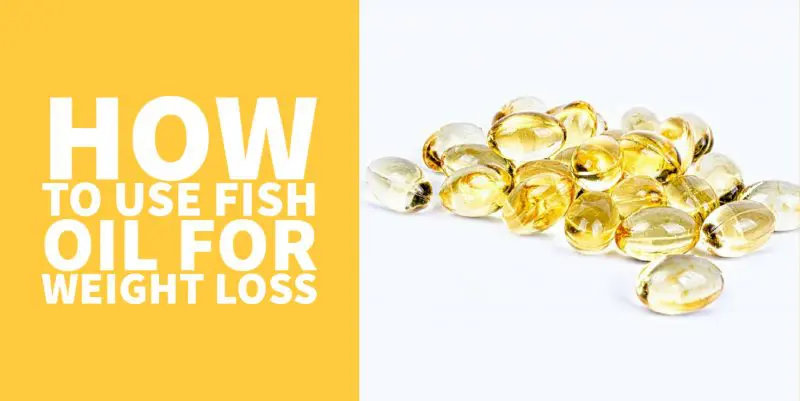 How to use Fish Oil to Help with Weight Loss & Fat Loss
Practical Tips: How to Incorporate Fish Oil into Your Daily Life
Ready to give fish oil a try? Here are some practical tips to help you incorporate it into your daily life:
- Supplement Smart: Take a fish oil supplement with at least 2,000 mg of omega-3s per day. But remember, more isn't always better. Stick to the recommended dose to avoid any fishy aftertaste or gastrointestinal upset.
- Dine on DHA: DHA is a type of omega-3 fatty acid that's particularly good for weight loss. You can find it in fatty fish like salmon, mackerel, and sardines. Aim to eat these fish at least twice a week.
- Plant-Based Power: If you're not a fan of fish, you can still get your omega-3s from plant-based sources. Sprinkle some flaxseeds on your breakfast, add some chia seeds to your smoothie, or snack on some walnuts. Your body will convert the plant-based omega-3s into DHA and EPA, the active forms found in fish oil.
Fun Fact: The Inuit Paradox
Did you know that the Inuit people, who have a diet high in omega-3 rich fish, have one of the lowest rates of obesity in the world? This is often referred to as the 'Inuit Paradox.' It's a fascinating example of how our diet can have a profound impact on our health and weight.
Reflection: The Power of Small Changes
At the end of the day, weight loss is all about making small, sustainable changes to your lifestyle. And incorporating fish oil into your diet is a great place to start. It's not a magic pill, but it can give your weight loss efforts a helpful nudge in the right direction.
So, the next time you're at the grocery store, consider picking up a bottle of fish oil or some omega-3 rich fish. Your body (and your waistline) will thank you. And who knows? You might just find that losing weight is a little less of a struggle and a little more of a smooth swim.
