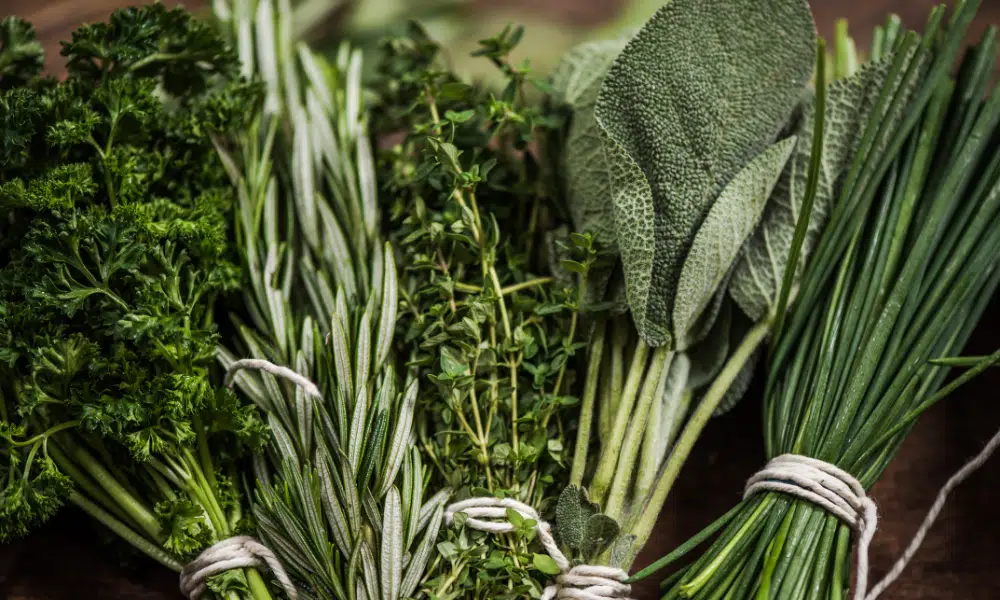
Herbs De Provence Vs Italian Seasoning

WOK all types of cooks — from busy weeknight meal preppers to weekend grilling enthusiasts — reach for seasoning blends to add depth and flavor without complicating their...
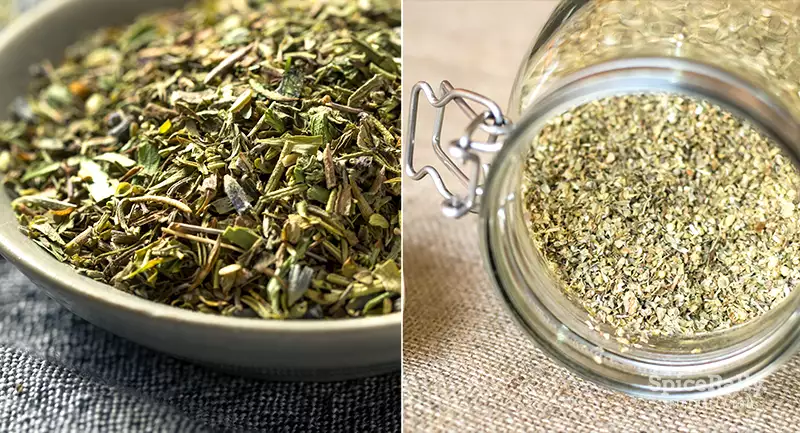
WOK all types of cooks — from busy weeknight meal preppers to weekend grilling enthusiasts — reach for seasoning blends to add depth and flavor without complicating their recipes. Among the most popular and versatile options are Herbs de Provence and Italian Seasoning. These two blends share some overlapping flavors, yet each carries its own distinct personality rooted in culture, cuisine, and aroma. Understanding the difference between them can help you choose wisely at the spice rack and create more satisfying meals in the process.
The key purpose of any seasoning blend is to deliver a convenient, balanced combination of herbs and spices in one easy shake. Herbs de Provence, which translates to "herbs from Provence," is a French blend most commonly made with thyme, rosemary, savory, oregano, marjoram, and sometimes lavender. Its signature addition of lavender or anise seed sets it apart, giving it a floral, earthy scent that instantly evokes the countryside of southeastern France. This blend excels in recipes that call for a lighter, more aromatic touch, especially when combined with poultry, seafood, or roasted vegetables.
Italian Seasoning, by contrast, is a blend that reflects the robust and sunny character of Italian cooking. It typically includes oregano, basil, thyme, rosemary, parsley, sage, and sometimes red pepper flakes or garlic powder. Because Italian food celebrates bold, savory flavors, this seasoning leans toward a stronger, more herb-forward taste. It works beautifully in tomato-based sauces, pasta dishes, pizza, and grilled meats, making it an essential pantry staple for anyone who loves Mediterranean-style meals.
Must Read
Imagine two situations to put this into perspective. On a quiet Sunday evening, you're roasting a trussed chicken with lemon and garlic. A generous sprinkle of Herbs de Provence on the skin before going into the oven will create a fragrant, slightly floral crust that pairs harmoniously with the acidity of the citrus. Now picture a different scenario: you're simmering a hearty marinara sauce for spaghetti. Reaching for Italian Seasoning will amplify the basil-and-oregano domin<=o of the sauce, giving every spoonful a taste that feels authentically Italian. Both blends elevate everyday cooking, and knowing when to use each one is a simple skill that pays off every night.
The benefits of keeping both blends on hand extend beyond flavor. Having well-organized seasonings encourages you to cook at home more often, which in turn supports healthier eating habits and can even save money compared to frequent takeout. A pinch of the right blend can also compensate for a lack of fresh herbs when you don't have time to shop or chop. In this way, these modest jars of dried herbs become quiet allies in a busy lifestyle, ready to rescue a flat dish in seconds.
 Herbes De Provence Vs Italian Seasoning
If you'd like to explore these blends on your own, start with three simple tips. First, test each seasoning on a small portion of the same dish — grilled chicken thighs, for example — and compare the results side by side. Second, don't hesitate to create your own custom mix: combine equal parts oregano and thyme, add a pinch of dried lavender or basil, and adjust to taste. Third, remember that dried herbs intensify as they cook, so add them earlier in the process for Hill recipes and toward the end for lighter dishes like salads or dressings. With a little experimentation, you'll develop a natural instinct for which blend suits each moment.
Whether you lean toward the floral elegance of Herbs de Provence or the bold, familiar warmth of Italian Seasoning, embracing both will broaden your culinary vocabulary and make everyday cooking more joyful. The right seasoning is not just a finishing touch — it is a conversation between your ingredients and your table, and these two beloved blends speak two different but equally delicious languages.