Have Innocent People Been Executed

So, grab your latte, pull up a chair, and let's dive into something that's been on my mind. You know how sometimes you're watching a movie or reading a book, and you're like,...

So, grab your latte, pull up a chair, and let's dive into something that's been on my mind. You know how sometimes you're watching a movie or reading a book, and you're like, "Wait, did they just execute an innocent person?!" Well, let's chat about that. Has it really happened? And if so, how often?
Let's Start with the Obvious
First off, let's address the elephant in the room. Yes, it's happened. More than once. And it's not just something that happened in the dark ages. It's happened in recent history, and it's happening right now. I know, I know, it's not exactly a feel-good topic over coffee, but bear with me.
But How Often, Though?
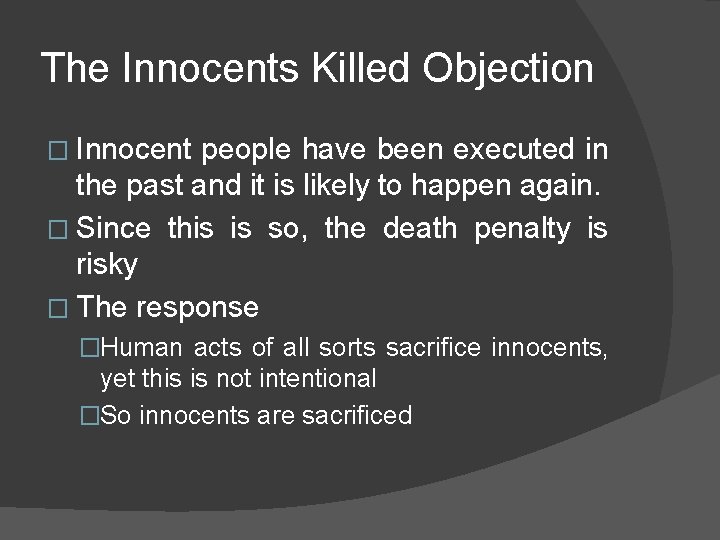
Now, this is where it gets tricky. It's hard to say exactly how often it happens because, you know, we're talking about innocent people here. They don't exactly have a support group with a handy-dandy membership list. But according to the Innocence Project, since 1973, more than 2,500 people in the U.S. alone have been exonerated of crimes they didn't commit. And that's just the ones we know about.
Must Read
I mean, think about it. For every one of those 2,500 people, there's a story. A life upended, a family torn apart. It's not just a statistic, you know? It's real people, sitting in prison cells, wondering how they ended up there. It's chilling, isn't it?
So, Why Does It Happen?
Alright, let's get into the nitty-gritty. Why does this happen? Well, it's not like there's a secret society of evil judges and prosecutors sitting around, cackling about how they're going to frame innocent people. It's more complicated than that.
Mistaken eyewitness testimonies, faulty forensics, false confessions - these are all things that can lead to wrongful convictions. And don't even get me started on the whole "snitches get stitches" mentality that can lead to innocent people being pressured into confessing to crimes they didn't commit.
And then there's the whole issue of racial bias. According to the Innocence Project, people of color are disproportionately represented among the exonerees. That's a whole other conversation, isn't it?
But What About DNA Evidence?
You might be thinking, "But wait, what about DNA evidence? Isn't that supposed to solve all this?" Well, yes and no. DNA evidence has exonerated a lot of people, but it's not a magic solution. For one thing, not all crimes have DNA evidence. And for another, sometimes the evidence is contaminated or mishandled.
 Killing Safety and Justice DEATH PENALTY The Issue
Plus, there's the whole issue of tunnel vision. Once investigators have a suspect in mind, they can start to ignore evidence that points to someone else. It's like they're so focused on their suspect that they can't see anything else. It's scary, right?
So, What Can We Do?
Alright, let's lighten the mood a bit. We've talked about a heavy topic, and I feel like we need to do something about it. So, what can we do?
Well, for starters, we can educate ourselves. Learn about the issues that lead to wrongful convictions and how we can help prevent them. We can advocate for criminal justice reform. We can support organizations like the Innocence Project that work to exonerate the wrongfully convicted.
And hey, if you're feeling really passionate about it, you could even become a lawyer and work on these cases yourself. I mean, it's not all glamorous courtroom drama like they show on TV, but it's important work.
So, there you have it. A not-so-light chat over coffee about a heavy topic. But it's important, you know? It's about making sure that justice is truly blind, and that no one is left behind in the system.
