Grated Versus Shredded Parmesan Cheese

Parmesan cheese is one of the most beloved staples in kitchens worldwide, and the debate between grated and shredded Parmesan may seem trivial—but it actually makes a real dif...

Parmesan cheese is one of the most beloved staples in kitchens worldwide, and the debate between grated and shredded Parmesan may seem trivial—but it actually makes a real difference in flavor, texture, and how that cheese behaves in your dishes. Whether you're a home cook tossing noodles or a parent trying to get vegetables actually eaten by picky kids, knowing the difference between these two forms of the same cheese can elevate your everyday meals from ordinary to genuinely satisfying. It's a small choice, but as any good cook will tell you, small choices add up to big results.
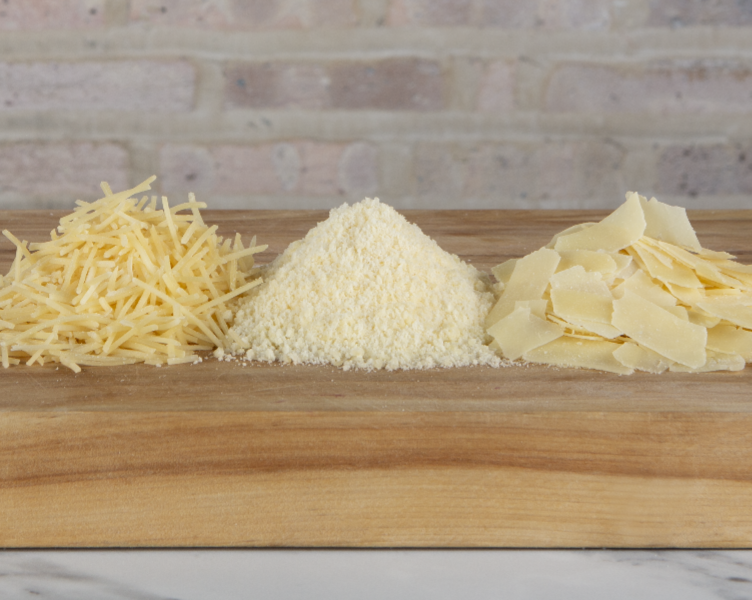
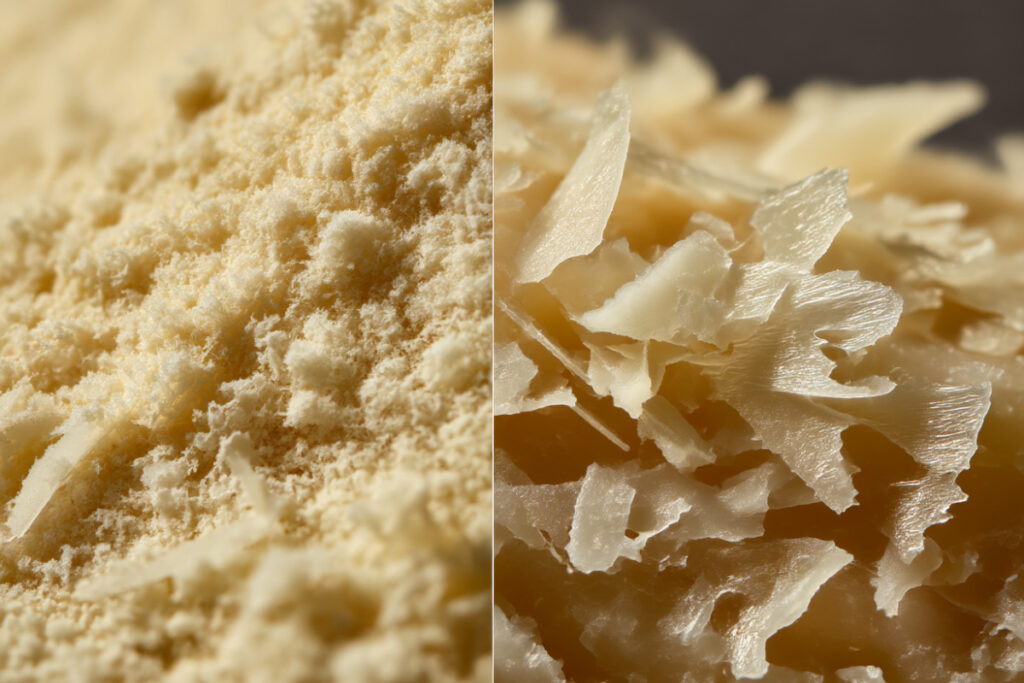
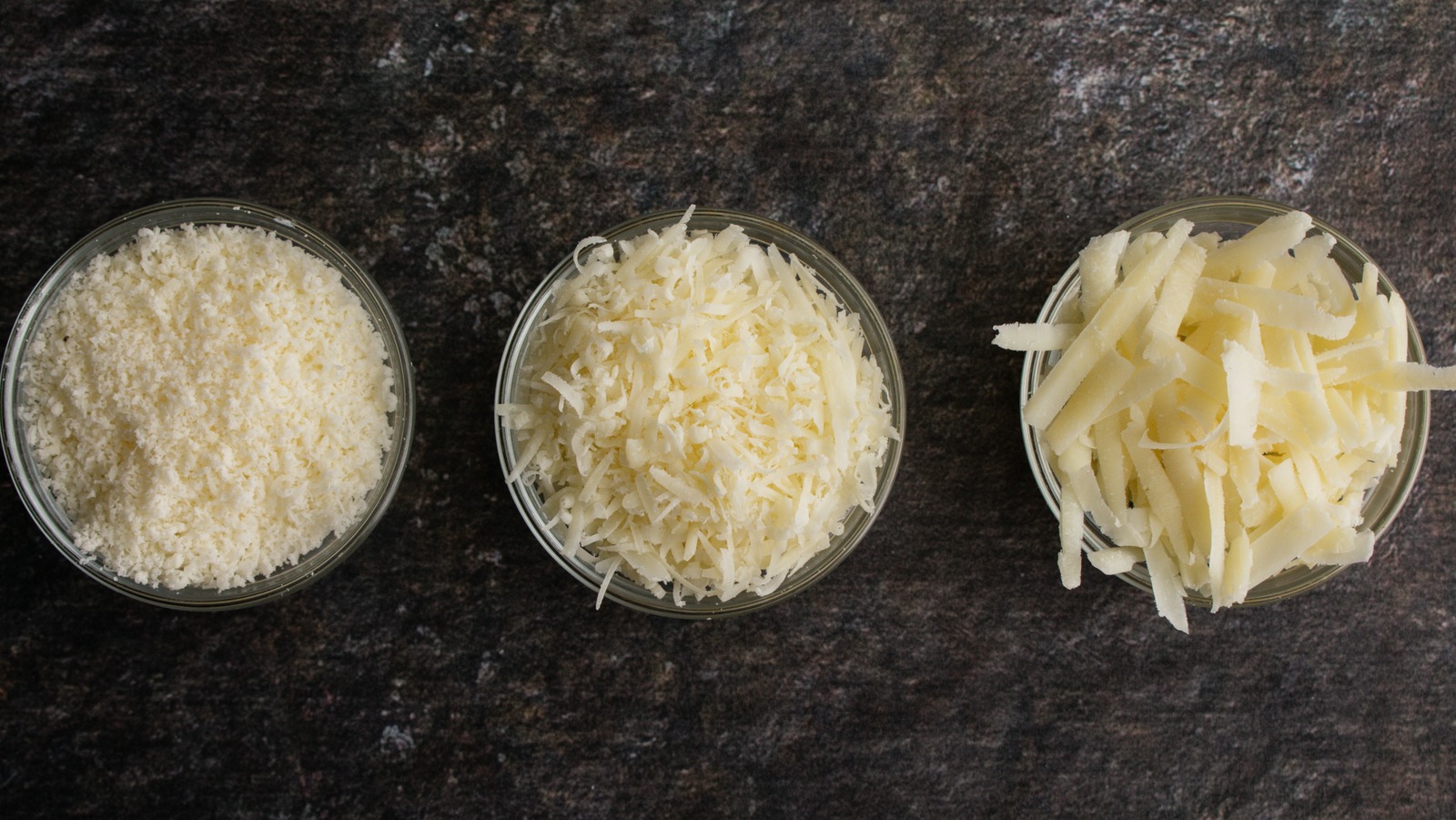
The most immediate distinction lies in size and texture. Grated Parmesan refers to finely ground particles—think of a powder or sand-like consistency that dissolves almost instantly when it hits warm food. Shredded Parmesan, on the other hand, consists of longer, distinct strands that hold their shape and retain a bit of chew. This difference matters more than you'd think. If you've ever sprinkled freshly grated Parmesan over a bowl of pasta and watched it seamlessly melt into a creamy coating, you've experienced exactly why restaurants and home chefs alike prefer that form for classic preparations like carbonara or cacio e pepe.
When it comes to how the cheese is used, grated Parmesan shines as a finishing touch. It melts quickly, so it's ideal for dishes where you want the cheese to blend into a sauce or create a smooth, velvety layer. Think of a plate of angel hair pasta dusted with grated Parmesan—or steamed broccoli smothered in a Parmesan crumb that you pop straight into the oven. Shredded Parmesan, meanwhile, is the better friend for dishes that need structure. A salad alongside grilled steak benefits from those visible shreds that give each bite a little bite back. Casseroles and baked pasta like lasagna use shredded Parmesan for a gorgeous golden crust that bubbles and browns beautifully in the oven.
Must Read
Think about family meals and everyday cooking for a moment. For a weeknight dinner that needs to come together in under twenty minutes, grated Parmesan tossed into a simple pasta sauce disappears into the dish, thickening it and adding depth without anyone even noticing where the cheese starts and the sauce ends. Now imagine you're making pizza at home—store-bought dough, some tomato sauce, and a generous handful of shredded Parmesan on top. That cheese melts, stretches, and gives you those irresistible little browned spots that make homemade pizza feel like it came from a wood-fired oven. For families especially, both forms work hand in hand: one blends in, the other stands out, giving you flexibility depending on what you're making that night.
In real life, many people don't even realize they're buying one form over the other. That pre-packaged green can from the grocery store? It's grated, ultra-fine, and frankly a far cry from the fresh stuff. The block on the dairy aisle? That's your opportunity to grate or shred at home with a box grater or microplane. For individuals watching their budget, buying a block and processing it yourself saves money and delivers far better flavor. Communities and even local restaurants that value quality and freshness have long made the switch, and once you try freshly grated or shredded Parmesan from a real block, there's no going back to powdered convenience.
 The Difference Between Shredded And Grated Cheese
Here are a few practical suggestions to help you choose and use each form wisely. If you're melting cheese into liquids—sauces, soups, creamy pastas—reach for grated Parmesan. If you need visible texture, a crispy topping, or stretchy melt, go with shredded Parmesan. Store both forms in airtight containers in the refrigerator—the grated version keeps for up to two weeks, while shredded has a slightly shorter shelf life. When cooking, add grated cheese toward the end of heating to prevent clumping, and reserve shredded cheese for the moment heading into the oven. Having both on hand in your fridge means you'll never have to compromise on a recipe again.
Ultimately, the grated-versus-shredded Parmesan conversation isn't really about picking a winner—it's about understanding which tool fits the job at hand. Both forms bring something valuable to your kitchen, and embracing that versatility means more delicious meals for you, your family, and anyone lucky enough to sit at your table. Next time you're hovering over the cheese section, you'll know exactly what to reach for and why it matters, turning a simple grocery run into a small but meaningful act of thoughtful cooking.