Freezer Paper Vs Parchment Paper

There’s something oddly satisfying about the humble parchment paper and its slightly mysterious cousin, freezer paper. For anyone who loves cooking, baking, or just avoiding a...
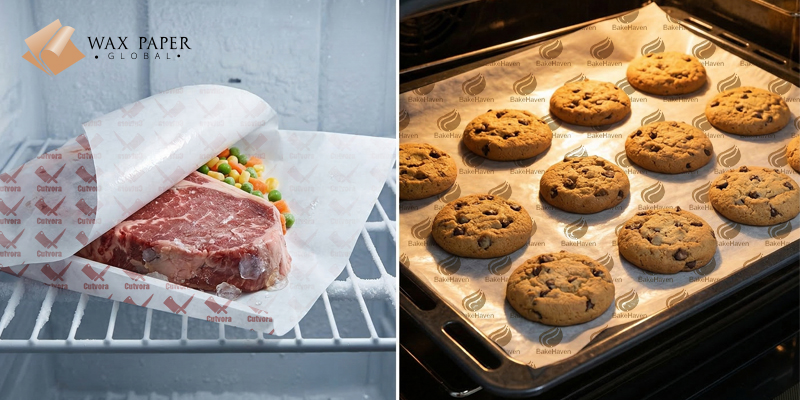
There’s something oddly satisfying about the humble parchment paper and its slightly mysterious cousin, freezer paper. For anyone who loves cooking, baking, or just avoiding a sticky mess, this is a surprisingly delightful topic. It’s practical, yes, but it’s also the kind of kitchen knowledge that makes you feel like a pro. Whether you’re a weekend baker or a meal-prep enthusiast, understanding the difference between these two can save you time, frustration, and even a few dollars.
At their core, both papers are designed to protect and separate, but they do it in very different ways. Parchment paper is your go-to for oven use—it’s heat-safe, non-stick, and perfect for lining baking sheets, roasting vegetables, or making a no-mess fish packet. Think of it as a superhero for cookies, cakes, and anything that might stick to your pan. Freezer paper, on the other hand, is built for the cold. It’s thicker, with a plastic coating on one side (the shiny side) that acts as a moisture barrier. This makes it ideal for wrapping raw meats, fish, or homemade sausages before freezing—keeping freezer burn at bay.
The most common mix-up happens when someone uses freezer paper in the oven. Don’t do it. The plastic coating on freezer paper is not designed for high heat; it can melt or even catch fire. Meanwhile, parchment paper is a poor choice for long-term freezer storage because it’s porous and allows moisture to escape, leading to that dreaded icy crust on your food. So, knowing which to grab is the first step to kitchen confidence.
Must Read
For practical use, here’s a quick guide: Parchment paper is for heat (baking, roasting, even air-frying). Freezer paper is for cold (wrapping, storing, and sealing). If you’re making a batch of chocolate chip cookies, line your pan with parchment. If you’re portioning out ground beef for the month, reach for freezer paper. One fun variation: you can also use parchment paper to create a paper cone for piping frosting, while freezer paper’s shiny side is great for labeling with a permanent marker—just write, wrap, and peel off later.
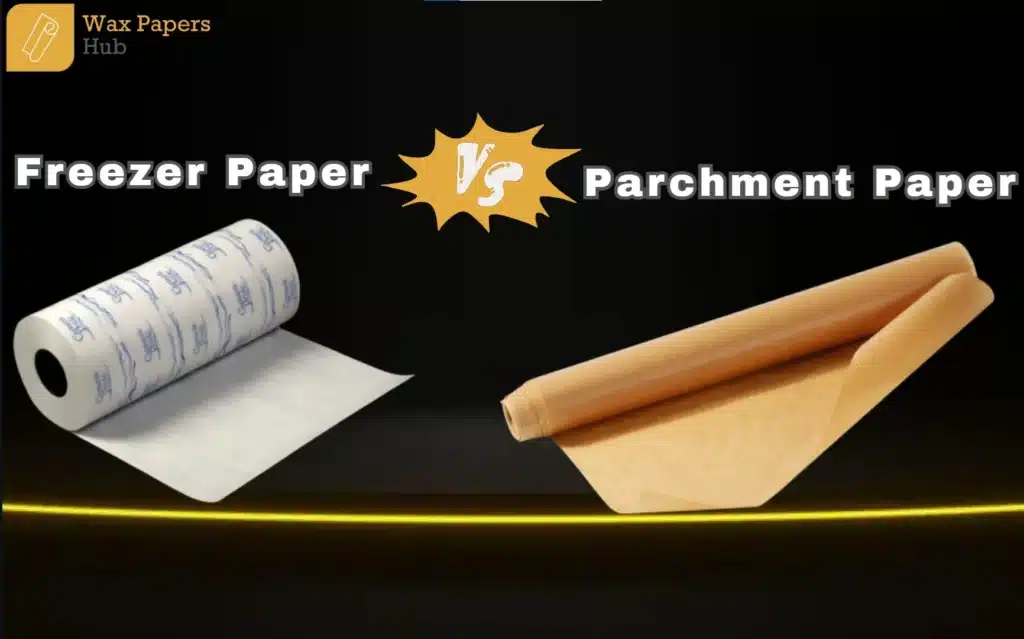 Freezer paper vs parchment paper: Uses, Differences, & more
To get the most out of these papers, always check the label. Some parchment papers are labeled “unbleached” or “silicone-coated,” which affects their performance. For freezer paper, look for a thick, wax-free variety that seals well. A simple tip: when wrapping meat in freezer paper, use the drugstore wrap technique—fold the edges over tightly, then tape them down. For parchment, crinkle the paper first before lining a pan; it helps it lie flat and stick to the corners.
Ultimately, both tools are about preventing disaster and saving clean-up time. They’re inexpensive, widely available, and they make life easier. Next time you’re at the store, grab a roll of each. You’ll wonder how you ever lived without them—especially when your brownies slide right out of the pan, or your chicken breasts emerge from the freezer perfectly icy and untouched. That’s the quiet joy of knowing your paper.

