Fat Burner Supplements Good Or Bad

So, I was at the gym the other day, you know, trying to make my arms look like I actually lift more than my water bottle. Anyway, I overheard this guy, let's call him 'Muscle...

So, I was at the gym the other day, you know, trying to make my arms look like I actually lift more than my water bottle. Anyway, I overheard this guy, let's call him 'Muscle Mike', raving about these 'fat burner' supplements he's been taking. He swore by them, said they were the secret to his six-pack. Now, I'm all for a good ab reveal, but something about this just didn't sit right with me. So, I decided to do some digging and find out, are fat burners really the key to unlocking our inner Adonis, or are they just a bunch of hype?
What Are Fat Burners Anyway?
Alright, let's start with the basics. Fat burners are supplements that, as the name suggests, claim to help your body burn fat. They do this by increasing your metabolism, reducing your appetite, or turning up your body's heat production (thermogenesis). Sounds great, right? But hold your horses, because it's not all sunshine and rainbows.
Ingredients Matter
Fat burners can contain a whole host of ingredients, some more sketchy than others. Caffeine, green tea extract, and cayenne pepper are common and generally considered safe. But then you get into stuff like yohimbine, which can cause anxiety and increased heart rate, and hoodia, which has been linked to some pretty nasty side effects. So, read the label, folks. If you can't pronounce it, it might not be worth putting in your body.
Must Read
Do They Actually Work?
Now, let's get to the million-dollar question. Do fat burners actually help you lose weight? Well, it's complicated. Some studies suggest they can help a little, but the results are often modest at best. A review published in the International Journal of Obesity found that, on average, fat burners helped people lose an extra half a pound over 12 weeks. That's not nothing, but it's also not a miracle cure.
Here's the thing, though. Most of the evidence comes from studies using specific ingredients, not the actual supplements you'd buy in a store. And even then, the results can vary widely. So, while fat burners might give you a tiny boost, they're no substitute for a healthy diet and regular exercise.
Side Effects and Safety
Even if fat burners do work, they're not without their risks. As I mentioned earlier, some ingredients can cause all sorts of problems, from anxiety and insomnia to more serious issues like liver damage. And remember, just because something is natural doesn't mean it's safe. Hell, botulism is natural, but you wouldn't want it in your smoothie.
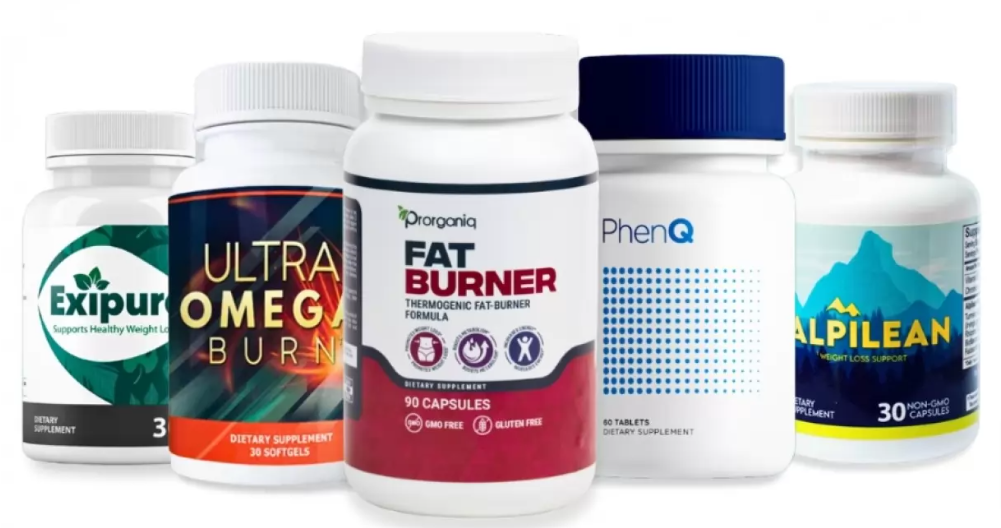 Fat Burners Are Safe at Andrea Rumfelt blog
Plus, some fat burners contain stimulants like caffeine, which can interact with other medications and cause problems. So, if you're thinking about giving them a try, talk to your doctor first. They can help you weigh the risks and benefits and make sure it's safe for you.
So, Should You Try Fat Burners?
Alright, so we've established that fat burners might work a little, but they're not a magic solution. They can also come with some risks, and they're not cheap. So, should you try them? Well, that's up to you. If you're already eating right and exercising, and you're looking for that extra edge, they might be worth considering. But if you're relying on them to do the heavy lifting, you're probably going to be disappointed.
And remember, there's no substitute for a healthy lifestyle. Fat burners might help you lose a few pounds, but they won't do you any good if you're still eating junk food and sitting on the couch all day. So, why not try making some changes to your diet and exercise routine first? You might be surprised at how much of a difference they can make.
And hey, if you do decide to give fat burners a try, just be smart about it. Read the label, talk to your doctor, and don't expect them to do all the work for you. Your body (and your wallet) will thank you.
