Facts About The Earth's Crust

You know that solid ground you’re standing on right now? The stuff that holds up your house, your coffee cup, and that wobbly park bench? That’s the Earth’s crust. It’s basica...

You know that solid ground you’re standing on right now? The stuff that holds up your house, your coffee cup, and that wobbly park bench? That’s the Earth’s crust. It’s basically the planet’s crunchy outer shell, like the thin, crispy layer on a fresh loaf of sourdough.
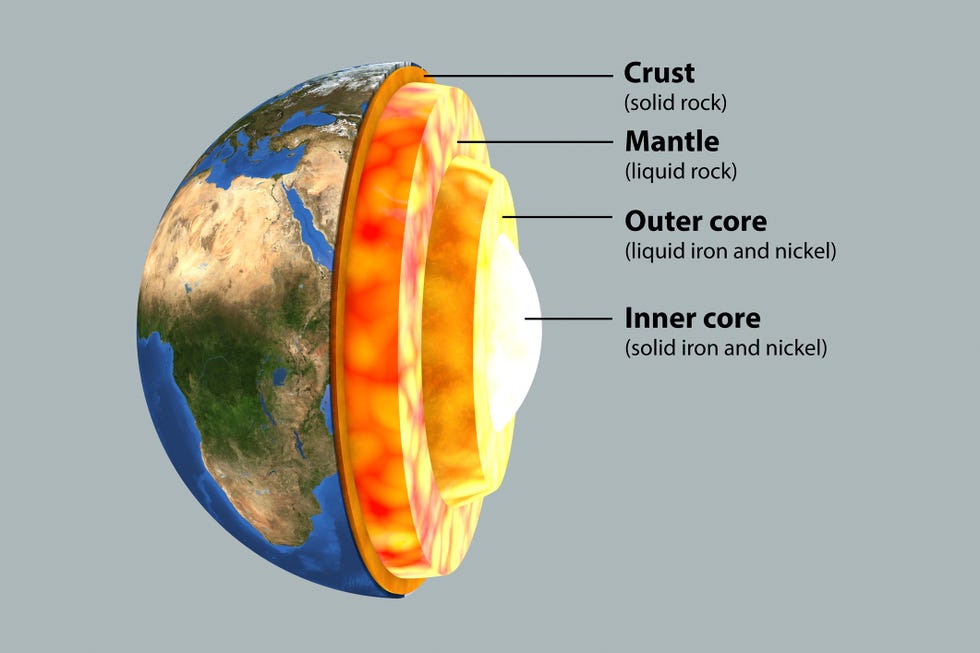
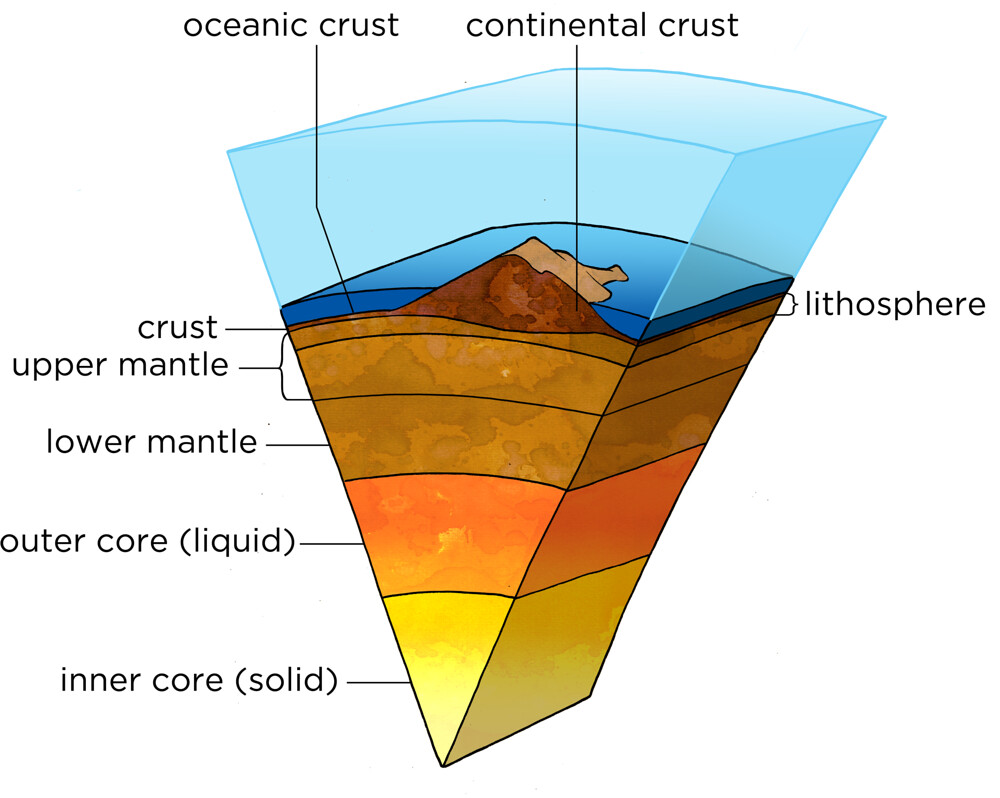
And here’s the wild part: it’s incredibly thin. If Earth were an apple, the crust would be about as thick as the skin. You spend your whole life walking on it, yet it’s only about 30 to 40 miles deep under the continents. Under the oceans, it’s even thinner—like a mere five miles of peel.
We treat the crust like it’s forever, but it’s actually constantly moving. It’s broken into giant puzzle pieces called tectonic plates that drift around slower than your mail in December. They bump, slide, and grind against each other—that’s what gives us earthquakes and mountains.
Must Read
Why You Should Thank the Crust for Your Morning
Think about your breakfast. That toast? The wheat grew in soil that came from weathered crust rock. The metal in your toaster? Dug straight out of the crust. You are, quite literally, using the Earth’s skeleton to cook your food.
The crust is also our giant storage closet. Every smartphone, every car, every fork in your drawer comes from minerals hiding in that rocky layer. Without the crust, we’d be living in a mud hut eating berries—which actually sounds kinda peaceful, but not for long.
And let’s not forget water. Most of our fresh water lives underground in the crust, in what’s called an aquifer. That’s why you can turn on a tap and get a drink. The crust holds your water bottle for you.
The Crust Has a Sense of Humor
Here’s a funny truth: the crust floats. It sits on top of the hot, squishy mantle like a cork on soup. That’s why mountains have roots, just like your teeth have roots. The taller the mountain, the deeper its crusty root goes down into the mantle.
 How Scientists Find Earth’s Hidden Continents
Have you ever stepped on a dry leaf and heard that satisfying crunch? The crust does that too, but with rocks. When plates pull apart, they crack and create rift valleys. It’s the planet stretching after a long nap.
And yes, the crust is also the reason we have volcanoes. When underwater plates move, magma sneaks up through cracks. That sounds scary, but volcanoes actually create new land, like Hawaii. The crust is basically Earth’s messy, creative workshop.
A Little Story About Your Feet
Next time you’re walking to the mailbox, take a second to appreciate what’s under your sneakers. That pavement is sitting on top of rocks that are billions of years old. The oldest crust rocks on Earth are nearly 4.4 billion years old. That’s older than life itself.
The crust even has a memory. It holds fossils of ancient creatures, like dinosaur bones, that tell us what life was like before selfies. When you find a pretty pebble on a beach, you’re holding a sliver of deep time.
 What Is the Earth’s Crust? | Crust In the Earth | Science
And here’s a fun party fact: the crust is always being recycled. Old crust sinks back into the mantle at “subduction zones,” where it melts and gets reborn. Your volcano necklace might have been a mountain 200 million years ago.
So Why Should You Care?
Because you live on it, eat from it, and build your life with it. When you feel the ground shake during a train rumble or a tiny tremor, that’s the crust whispering, “Hey, I’m still here.” It keeps you warm by trapping the Earth’s inner heat.
Caring about the crust is also caring about resources. Mining can hurt it, and erosion can strip it. But when you support protecting soil, forests, and clean groundwater, you’re giving the crust a little hug. It’s the only planetary skin we’ve got.
So go ahead, take a walk outside. Feel the ground under you. Kick a rock. Say thanks to the crust. It’s the planet’s crunchy, ancient, wobbly shell, and it’s just doing its best to keep your feet dry.
