Explain What Gammon Is And How It Differs From Traditional Ham

Let’s talk about one of life’s great culinary puzzles: what exactly is gammon? If you’ve ever stared at a menu wondering why it’s not just called “ham,” you’re not alone. The...
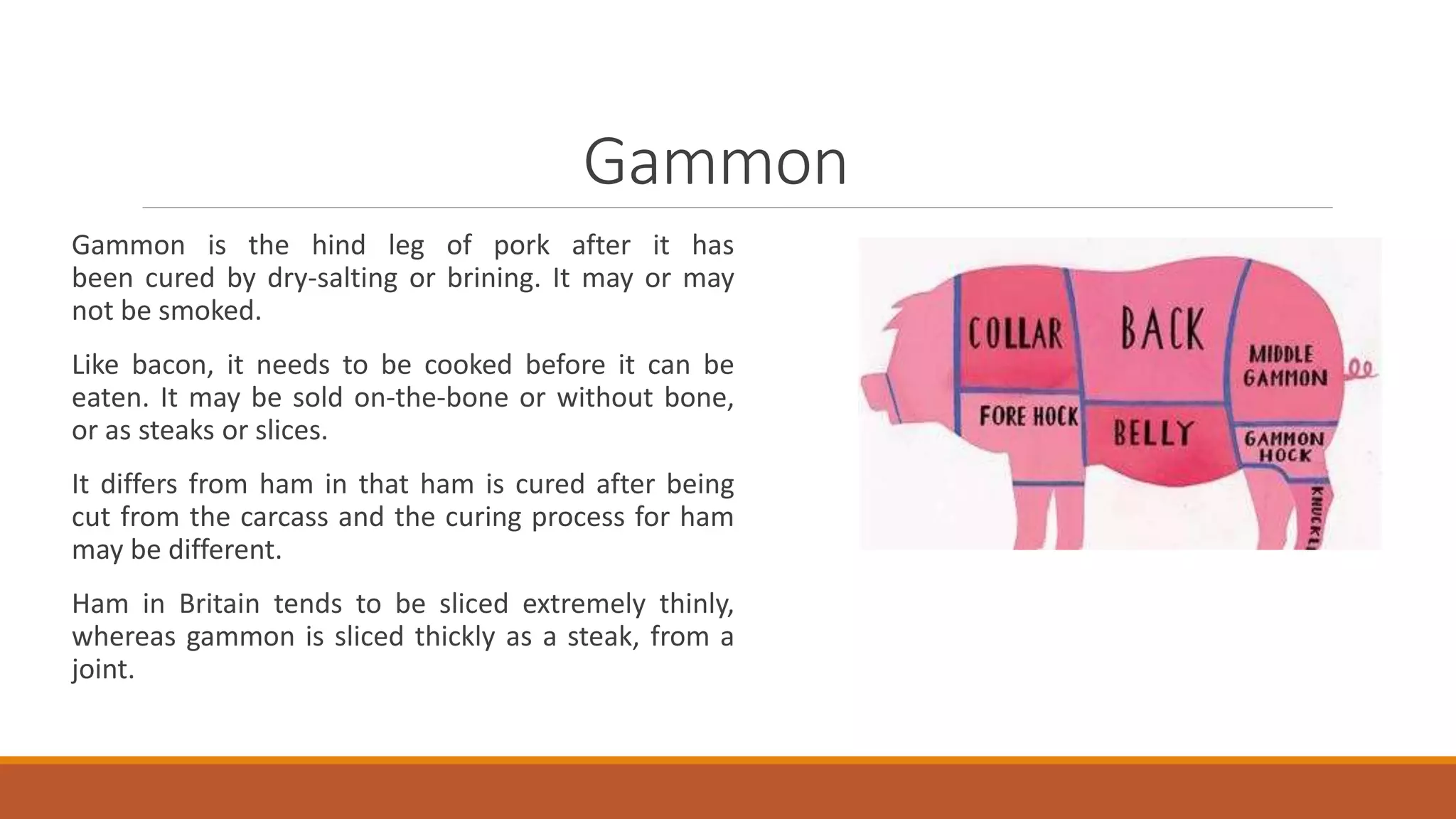
Let’s talk about one of life’s great culinary puzzles: what exactly is gammon? If you’ve ever stared at a menu wondering why it’s not just called “ham,” you’re not alone. The answer is simpler—and way more fun—than you might think. Gammon is essentially fresh leg of pork that has been cured, but unlike traditional ham, it hasn’t been cooked yet. You buy it raw, then cook it yourself, turning your kitchen into a little deli workshop. That’s right: gammon is a DIY hero in the meat world.
Traditional ham, on the other hand, is already cooked, smoked, or baked when you buy it. You can slice it straight from the packet for a sandwich, or warm it gently for dinner. Gammon demands just a bit more effort—you boil, roast, or glaze it until it’s golden and gorgeous. The trade-off? That home-cooked flavor is unbeatable, and you get to brag that you made it yourself.
The curing process for gammon usually involves salt, sugar, and often nitrates, which give it that signature pink color. After curing, traditional ham might be smoked, brined extra long, or even cooked in a special oven. But gammon stays in a sort of raw, cured limbo, waiting for you to decide its destiny. Think of gammon as the adventurous cousin who says, “Let’s see what happens when we add a honey glaze!”
Must Read
Why does this matter in your everyday life?
Because gammon gives you control. You’re not stuck with the same dry, pre-sliced ham from the deli counter. You can play with flavors: maple syrup, mustard, brown sugar, pineapple, even a splash of cola. Imagine the look on your dinner guests’ faces when you bring out a glistening, homemade gammon roast. That’s the power of knowing the difference.
Traditional ham is perfect for convenience—sandwiches, salads, and quick snacks. But gammon is for when you want to turn an ordinary meal into a small celebration. It’s the difference between buying a bouquet and growing your own flowers. One is lovely; the other is a story.
Let’s clear up a common myth.
Some folks think gammon is just ham from a pig’s back leg, but that’s only half the story. Both gammon and traditional ham can come from the same cut of pork—the hind leg. The key difference is post-curing processing. If you cure the leg and then leave it raw, it’s gammon. If you cook or smoke it after curing, it’s ham. Simple, right? It’s like the difference between bread dough and a baked loaf—one is potential, the other is a finished product.
And here’s a little secret: you can actually buy gammon that’s already been cooked, which then becomes ham. But that’s a technicality. For the adventurous home cook, uncooked gammon is where the magic lives. You get to choose the glaze, the roasting time, and the thickness of the slices. You become the chef, not just an assembler.
How to spot gammon in the wild.
At the supermarket, look for the label: “gammon joint” or “unsmoked gammon.” It’s usually vacuum-sealed and will say “cook thoroughly” in big letters. Ham will say “ready to eat” or “fully cooked.” If you see a beautiful, rosy pink piece of meat in the butcher’s counter, ask if it’s raw or cooked. Don’t be shy—butchers love teaching people about gammon.
Also, gammon is often sold with a layer of fat on top, which you’ll score and glaze. That fat renders down during cooking, creating an incredible crispy, salty, sweet crust. Traditional ham usually has less fat because it’s trimmed before cooking—but that also means less flavor in the glaze. Gammon’s fat is your friend; don’t trim it off!
 What is the Difference between Gammon and Roast Ham
Let’s talk about the fun part: cooking it.
You boil gammon first for about 20–25 minutes per pound, then drain it, score the fat, and slather it with your favorite glaze. Pop it in a hot oven for another 20–30 minutes, and you’ve got a showstopper. It’s almost impossible to mess up—gammon is forgiving, juicy, and always delicious. The hardest part is waiting for it to cool before slicing.
Traditional ham? You can slice it cold straight from the fridge—no ceremony required. That’s perfect for a busy Tuesday. But on a Sunday, when you want to feel like a culinary rock star, gammon is your ticket. It turns a lunch into an experience, and leftovers become legendary sandwiches.
Why this little knowledge can make life more fun.
Because food is play, not just fuel. Knowing the difference between gammon and ham means you can choose—convenience or creativity, speed or spectacle. It’s a tiny piece of food trivia that makes you look brilliant at dinner parties. “Oh, this? It’s not ham—it’s gammon, I cured it myself.” You’ll watch your friends’ eyes go wide.
Plus, with gammon, you’re less likely to get bored. You can make it sweet, spicy, smoky, or savory. Traditional ham has its place, but gammon keeps you guessing. It invites you to experiment—and isn’t that what life should be about? A little risk, a lot of flavor, and a story to tell.
And now, for that uplifting note.
So next time you’re in the grocery aisle, pause by the meat section. Look at that gammon joint, and smile. Think of it not as a confusing product, but as an invitation. An invitation to learn, to cook, and to surprise yourself. You have the power to turn a simple cut of meat into something memorable. That’s the beauty of understanding just a little bit more about what’s on your plate.
Life is full of small differences that make big impacts—like the difference between ham and gammon. So go ahead, buy one, cook it, and share it. You’ll never look at a Sunday roast the same way again. And who knows? Maybe next weekend, you’ll be explaining gammon to your own friends, inspiring them to try something new. Keep learning, keep cooking, and remember: in the kitchen, curiosity always tastes good.
