Evaporated Milk Vs Evaporated Creamer

There’s something truly comforting about standing in the baking aisle and spotting those familiar little cans. Whether you’re whipping up a creamy dessert, adding richness to...

There’s something truly comforting about standing in the baking aisle and spotting those familiar little cans. Whether you’re whipping up a creamy dessert, adding richness to a morning coffee, or trying to replicate a family recipe from the old country, the choice between evaporated milk and evaporated creamer is a delightful puzzle. It’s a topic that feels both practical and nostalgic, because these humble cans hold the power to transform everyday dishes into something deeply satisfying. For a busy parent, they’re a shortcut to thick, luscious sauces. For a coffee enthusiast, they’re the secret to a café-style brew at home. Understanding the difference isn’t just about ingredients; it’s about unlocking a world of texture and flavor that makes cooking feel easy and rewarding.
Let’s break down the basics. Evaporated milk is exactly what it sounds like: fresh milk that has been gently heated to remove about 60% of its water content. It’s pure, concentrated dairy with a slightly caramelized, nutty flavor from the heating process. On the other hand, evaporated creamer—sometimes called “table cream” or “canned cream”—is a different beast. It’s a shelf-stable product made from a blend of milk, cream, or vegetable oil, often with added stabilizers and sweeteners. The main purpose of each is similar—to add richness—but their uses diverge. Evaporated milk shines in savory dishes like creamy pastas or as a milk substitute in baking where you want protein and a genuine dairy taste. Evaporated creamer is your go-to for desserts and coffee, offering a velvety, sweet finish without the risk of curdling.
You’ve probably encountered these two in iconic dishes. Think of the silky flan from a Latin bakery—that’s almost always evaporated milk, which provides structure and a subtle dairy tang. Now picture a can of sweetened creamer poured over a bowl of warm sticky rice or into a Vietnamese iced coffee (cà phê sữa đá). That bold, sweet, condensed richness comes from creamer, not evaporated milk. A common variation within creamers is the distinction between unsweetened and sweetened versions; the latter is often labeled “condensed” but functions similarly. For evaporated milk, you’ll find whole and low-fat options, which let you control the richness. Knowing these subtle differences helps you hit the right note every time.
Must Read
Here’s a simple, actionable tip to make the most of them: Always read the label before you pour. If a recipe calls for “evaporated milk” and you use creamer, you might end up with a dessert that’s too sweet or a sauce that separates. For a perfect swap, you can dilute evaporated creamer with a splash of water to mimic evaporated milk’s consistency, though the flavor will still be sweeter. Conversely, to mimic creamer’s richness in coffee, whisk a tablespoon of melted butter into a half-cup of evaporated milk—it gets close to that luxurious mouthfeel without the stabilizers. The key is to match the function: use evaporated milk where you want the dish to set or thicken, and creamer where you want sweetness and pour-able luxury.
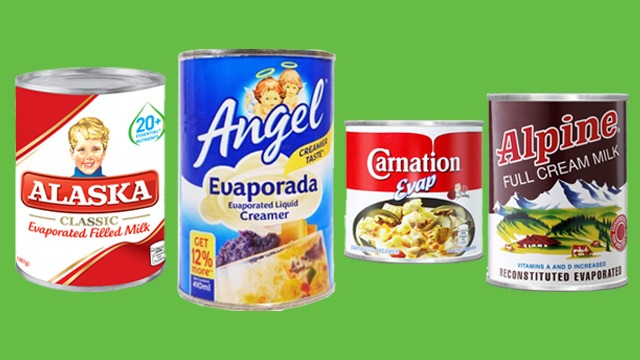 Evaporated Milk Vs Condensed Milk
For those just starting their culinary journey, I suggest a friendly side-by-side test. Make a simple pumpkin pie filling using evaporated milk, then make a small batch using evaporated creamer. You’ll notice immediately that the creamer version is sweeter and sets more softly, while the milk version has a firmer, more custard-like texture. This little experiment teaches you more than any article can. Start by keeping one can of each in your pantry—they last for months, so there’s no pressure. Use evaporated milk for weeknight mac-and-cheese or a quick clam chowder, and break out the creamer for thai iced tea or a no-bake chocolate pudding.
Remember, neither is “better” than the other; they’re just different tools for different cravings. The beauty of this topic is that it’s approachable and forgiving. You might accidentally buy the wrong can, but more often than not, you’ll still create something delicious. So next time you’re in the store, grab both. Let your taste buds—and your next comforting dish—be the guide. That easy-going, curious spirit is exactly what makes cooking with these little cans so enjoyable.

