Eggs Cooking In A Frying Pan Conduction Convection Or Radiation

Welcome to the sizzling science of breakfast! You might think your morning eggs are just a tasty meal, but every time you crack one into a hot frying pan, you become a physici...
Welcome to the sizzling science of breakfast! You might think your morning eggs are just a tasty meal, but every time you crack one into a hot frying pan, you become a physicist. Seriously! Understanding how your eggs cook through conduction, convection, and radiation isn't just for lab coats—it’s the secret to perfect sunny-side-ups. The purpose here is simple: once you know which heat transfer method is doing what, you’ll never burn another egg, and you’ll actually enjoy knowing why your yolk stays runny or your white sets evenly. The advantage? You gain control. No more guessing, just crispy edges and tender centers, every single time.
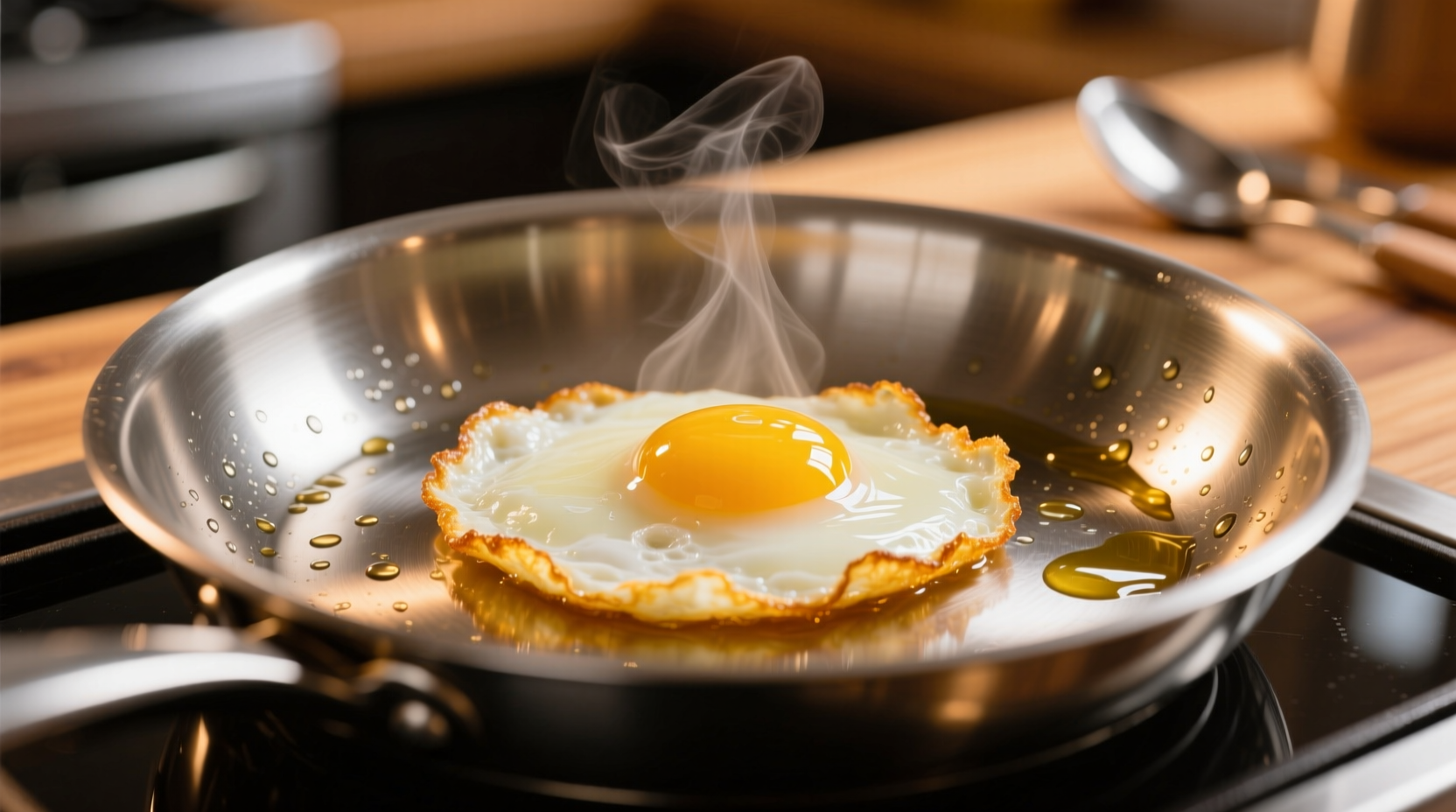
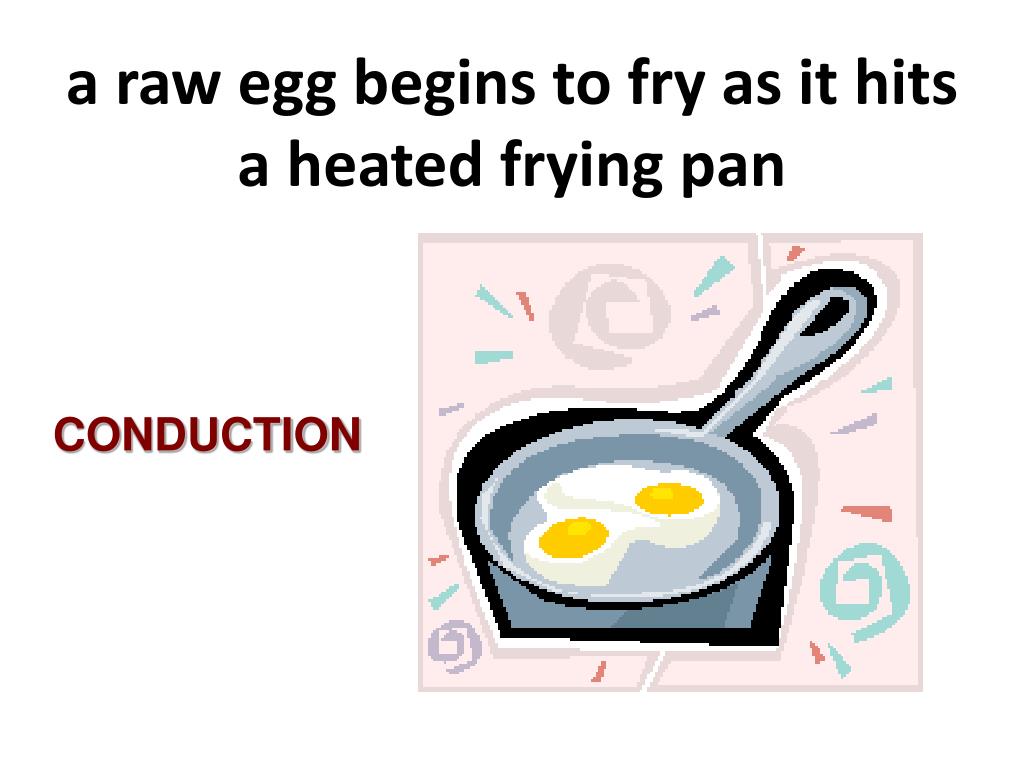
Let’s start with the star player: conduction. This is heat transfer through direct contact. When you place your cold pan on a hot burner, the metal atoms start vibrating like crazy and pass that energy directly to the egg. That’s why the bottom of your egg turns white and solid first. The pan’s surface is the conductor, and it’s brutal—it can burn your egg in seconds if you’re not careful. Think of it like a handshake: the pan grabs the egg and transfers its heat. To master conduction, always preheat your pan on medium-low heat. A screaming-hot pan will cause the egg proteins to seize up instantly, creating a tough, leathery bottom. Instead, wait until a drop of water dances on the surface, then add your butter or oil. That thin layer of fat acts as a buffer, slowing down the conduction just enough to create a golden, crispy lace edge without a burnt flavor.
Now, what about the top of your egg while the bottom is cooking? That’s where convection steps in. Convection is heat transfer through the movement of fluids—in this case, air and liquid. As the pan heats the air above it, that hot air rises, circulates, and then hits the top of your egg. It’s a gentle, invisible wind that slowly cooks the thin layer of white over the yolk. But here’s the creative trick: if you want a fully set white without flipping, you can baste your egg. Spoon hot butter or oil from the pan over the top of the egg. This is convection in action—you’re actively moving the hot fluid to cook the top. For a steamier convection effect, add a tablespoon of water to the pan and immediately cover it with a lid. The trapped steam circulates and cooks the top of the egg in under a minute, giving you a solid white and a perfectly runny yolk. It’s like a mini sauna for your breakfast!
Must Read
Don’t forget the third heat traveler: radiation. Yes, even your stovetop pan can radiate heat. Radiation is energy that travels in waves, like sunlight, without needing a medium. In a standard frying pan, radiation mostly comes from the hot pan surface itself and the burner’s glow. But to see radiation’s real power, try this: place your egg in a cold pan, then turn on a toaster oven or an infrared heat lamp aimed at the top of the egg. You’ll cook the top of the egg without ever touching the yolk with a spatula. That’s radiation cooking—it’s direct, invisible, and fast. For a fun experiment, hold your hand a few inches above a hot, empty pan. You feel the warmth? That’s radiation. Your egg feels it too. To use radiation to your advantage, keep your pan uncovered if you want a crispy top (more heat escapes), or cover it to trap radiation and create convection clouds of steam. The choice is yours!
Here’s a practical tip where all three methods collide: the perfect over-easy egg. Start with conduction: heat your pan on medium, add butter, and crack the egg. Let the bottom set via conduction for about two minutes. Next, use convection: tilt the pan slightly and spoon hot butter over the top of the white until it turns opaque (about 30 seconds). Finally, use a tiny burst of radiation: place the pan under the broiler for 10 seconds to give the yolk a warm, slightly glossy finish. You’ve just orchestrated a three-part heat symphony! The advantage of knowing this is that you can troubleshoot: if your whites are undercooked on top, you need more convection or radiation. If the bottom burns, your conduction was too aggressive—lower the heat next time.
 Conduction, Convection, and Radiation Examples Flashcards | Quizlet
Let’s get creative with impossible ideas. What if you wanted to fry an egg using only radiation? You could, with a special ceramic pan under a halogen lamp. Or what about only conduction? You’d need to flip the egg constantly, like a pancake, to cook both sides without convection or radiation. Of course, that’s messy. The real fun is combining methods: try a reverse fry. Start by covering the pan and using steam convection to cook the top, then finish by uncovering and letting conduction crisp the bottom. The yolk stays runny because the radiation from the lid keeps it from overheating. Or, for a crispy-bottomed, fully-set white with a molten yolk, use a cast-iron skillet (great conduction), baste with butter (convection), and finish under a broiler (radiation). It’s like a chef’s secret handshake.
One last piece of advice: experiment without fear. Heat is your friend, not your enemy. Start with a fresh egg, a non-stick pan, and medium heat. Watch how the white firms from the bottom up (conduction), then notice the steam rising (convection), and finally, feel the warmth above the pan (radiation). Adjust your heat, your lid, and your basting technique. Eventually, you’ll develop an intuition. You’ll know when to flip, when to cover, and when to just let the pan do its magic. And the best part? Every time you nail that perfect egg, you’ve won a tiny victory over physics. So go ahead—crack, sizzle, and enjoy. Science never tasted this good.