Does Vanilla Need To Be Refrigerated

You’ve just finished baking a batch of cookies, and your hand hovers over the vanilla extract. Should it go back in the pantry or into the fridge? It’s a tiny bottle, but it’s...
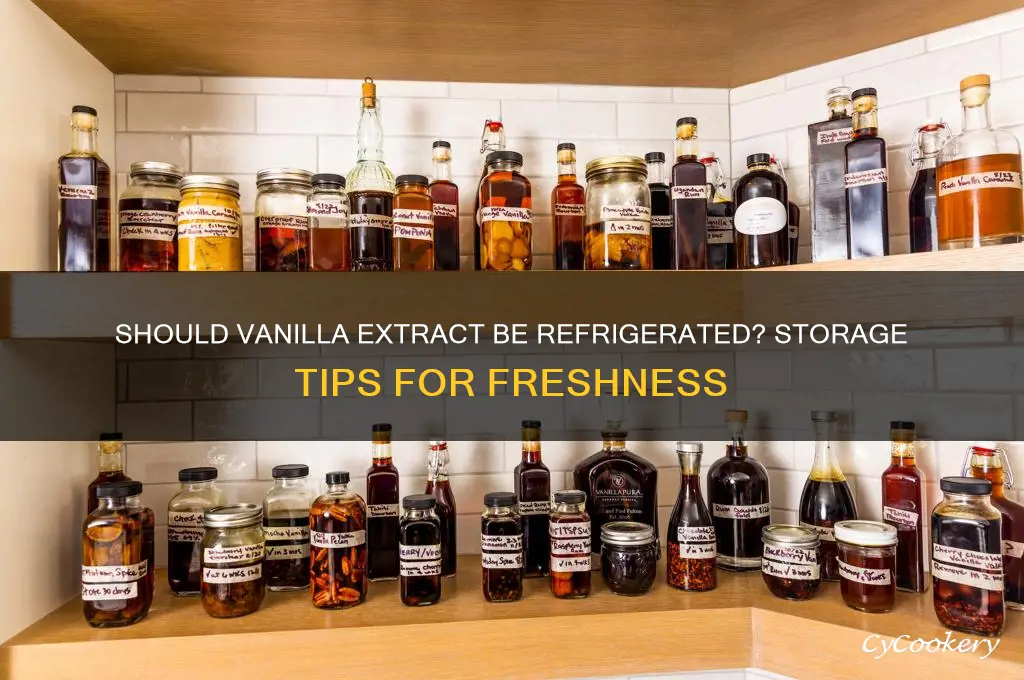
You’ve just finished baking a batch of cookies, and your hand hovers over the vanilla extract. Should it go back in the pantry or into the fridge? It’s a tiny bottle, but it’s caused a lot of kitchen cabinet confusion. Let’s clear the air, because honestly, this is one of those questions where the answer will surprise you.
The short answer: it depends on the bottle
If you’re holding a bottle of pure vanilla extract, you can breathe easy. That bottle is perfectly happy living in your pantry, next to the flour and sugar. The alcohol in the extract acts as a natural preservative, so it’s not going to spoil.
Think of it like a good whiskey or a bottle of vodka—you wouldn’t shove that in the fridge, right? Your vanilla extract has the same resilient DNA.
Must Read
What about vanilla beans and vanilla paste?
Ah, the fancy cousins. Whole vanilla beans are more like fresh herbs than spices. They need a little pampering. You should store them in an airtight container in a cool, dark place, but the fridge can actually make them dry out and get brittle over time.
It’s better to keep them in the pantry, wrapped tightly in cling film or in a small jar. If you do use the fridge, make sure they are sealed very well—otherwise your cheese will start to smell like a cupcake.
As for vanilla paste (that syrupy stuff with the specks), it usually has sugar and preservatives. A pantry is fine, but if you live in a very hot climate, the fridge can stop it from crystallizing or separating.
The big exception that will save your dessert
Here’s where we get real: homemade vanilla extract. If you’ve made your own by steeping beans in vodka or bourbon, listen up. That stuff is alive with flavor, but it also lacks the commercial stabilizers. You do not need to refrigerate it—it’s still high in alcohol.
However, if you’ve made a vanilla syrup (sugar, water, and vanilla) for your coffee or cocktails, that’s a different story. That’s basically sugar water, and it will grow mold faster than you can say "latte." Pop that in the fridge, and use it within a month.
Why you should care (besides impressing your friends)
Let’s be honest—no one wants to open a bottle of vanilla and find a science experiment. Refrigeration does not harm pure extract, but it does cause some cloudiness. Don’t panic; it’s just the vanillin compounds clumping up from the cold. Let it sit at room temp, and it’ll clear right up.
 Should Vanilla Extract Be Refrigerated? Storage Tips For Freshness
But here’s the real reason to care: temperature and light are your vanilla’s enemies. A warm, sunny windowsill will degrade the flavor faster than a week in the fridge ever could. Your precious vanilla is an investment—treat it like sunscreen for your taste buds.
Ever had a cookie that tasted flat? The culprit might be old, sun-blasted vanilla. Storing it properly means your chocolate chip cookies will always have that warm, round depth of flavor that makes people close their eyes in happiness.
A little story from my own kitchen
I once had a friend who kept her vanilla extract in the fridge for fifteen years. She was proud of it, honestly. When she finally used it, the flavor was still fantastic, but it had turned a little cloudy. The lesson? You can refrigerate it for decades—it just looks funny.
Meanwhile, my grandmother kept her vanilla in a pantry cupboard that was always a bit too warm. Her cookies were legendary, but her vanilla always tasted a little like "burnt sugar" because it had oxidized. Sometimes grandma isn’t always right.
The simple rule to live by
Here’s your cheat sheet for everyday life: Pure extract and imitation vanilla? Pantry. Vanilla beans? Pantry, but in a sealed bag. Vanilla syrup or paste with sugar? Fridge. And homemade extract? Totally up to you—but pantry is easier and won’t hurt a thing.
So next time you finish a batch of brownies, don’t overthink it. Just close the bottle tight, screw on the cap, and put it back where it lives. Unless your kitchen is a sauna, the pantry is the perfect home for your vanilla.
In the end, vanilla isn't high-maintenance. It just wants some quiet, dark, and room-temperature love. Give it that, and it’ll reward you with the most comforting aroma in your whole home. And isn't that the whole point?
