Does Steaming Veggies, Sprouts Make Them Loose Their Nutrients

Okay, friend, let’s settle this once and for all. You’ve got that beautiful bunch of broccoli, those crunchy bean sprouts, and you’re staring at your steamer basket like it’s...
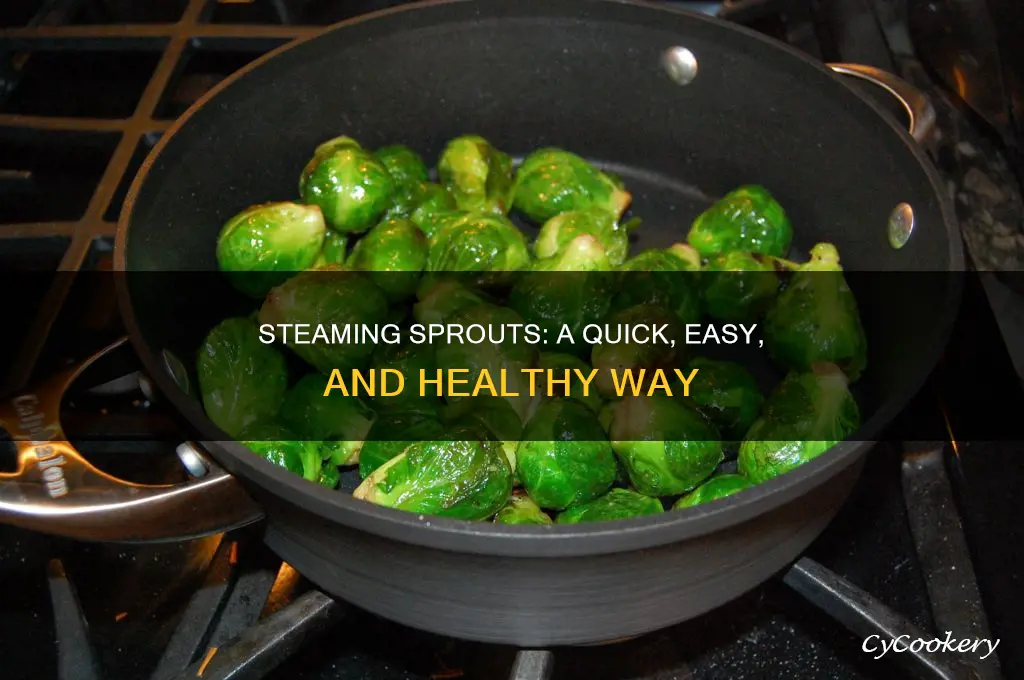
Okay, friend, let’s settle this once and for all. You’ve got that beautiful bunch of broccoli, those crunchy bean sprouts, and you’re staring at your steamer basket like it’s a nutrition-stealing monster. You’ve heard the whispers: “If you steam veggies, all the goodness vanishes into thin air!” (Or into the water. Which is worse, honestly.)
Let me put your mind at ease. The short answer? No, steaming doesn’t make your veggies and sprouts nutrient-less blobs. In fact, if vegetables had a dating profile, steaming would be the “nice guy” – often underrated, but actually the best for long-term health. Raw vegetables are the flashy bad boy, sure, but steaming? That’s the keeper.
Here’s the deal: every cooking method is a trade-off. When you boil broccoli in a pot of water, you’re basically throwing a pool party for water-soluble vitamins like vitamin C and the B-complex crew. They leach right into the water, which you then pour down the sink. So long, vitamin C! But steaming? That’s like giving those nutrients a gentle sauna rather than a hot tub. Because the veggies never touch the boiling water, fewer vitamins escape into the steam. They stay inside, where they belong.
Must Read
Now, about sprouts. You know, those tiny, crunchy aliens from the legume family. Mung bean sprouts, broccoli sprouts, alfalfa – they’re little nutrient bombs. Some folks swear you must eat them completely raw to get the magical enzymes. But here’s a plot twist: a quick steam (like, two minutes, not a full spa day) can actually unlock certain nutrients. Heat can break down tough cell walls, making things like beta-carotene and certain antioxidants more available to your body. So while raw sprouts have their benefits (good for gut-friendly enzymes), a light steam can make the vitamin A and some minerals more bioavailable – fancy talk for “your belly actually uses them.”
Of course, there’s nuance. Over-steaming is the enemy. If you steam your broccoli until it’s the color of a military uniform and it cries when you poke it, yes – you’ve destroyed a lot of its vitamin C, which is sensitive to heat and time. But a crisp-tender texture? Goldilocks perfection. Most nutrients are shockingly resilient to gentle heat. In fact, a 2013 study in the Journal of Food Science found that steaming actually retained more nutrients in broccoli than boiling, microwaving, or stir-frying. So you’re winning.
But wait – what about those gorgeous, crunchy bean sprouts? The ones that break on a sandwich and add that satisfying snap? Here’s my hot take: steaming sprouts for 30 to 60 seconds is a genius move because it knocks out potential bacteria without turning them into mush. You lose a tiny bit of vitamin C, sure, but you gain safety and a warmer, more digestible texture. Your gut will send you a thank-you note.
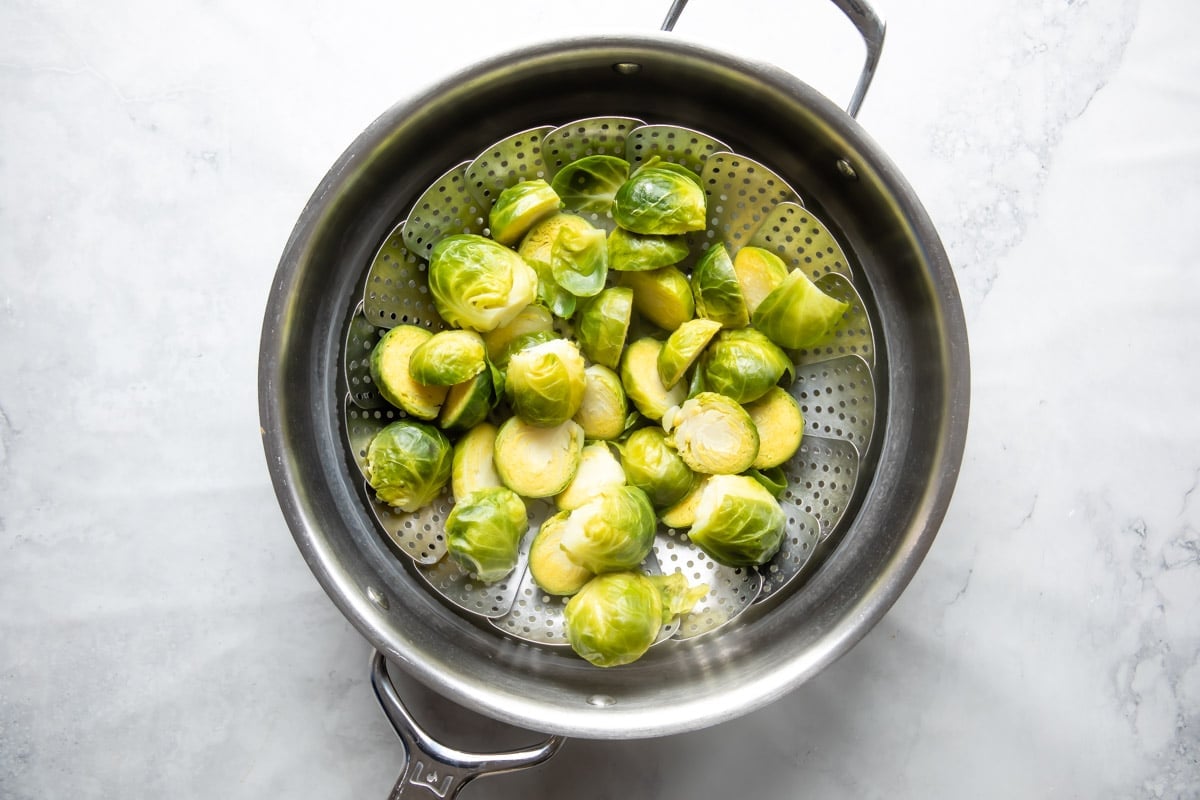 Steamed Brussels Sprouts - Culinary Hill
Look, your mom was right about vegetables. But she was also right that a little steam won’t kill you – just don’t turn them into soup without drinking the water. The bottom line? Steaming is your friend. It’s the gentle parent, the encouraging coach, the warm hug for your greens. Raw is great for some things, but steaming makes nutrients like beta-carotene, folic acid, and the good stuff in sprouts pop.
So go ahead: fill that steamer basket with happy broccoli, proud carrot coins, and a handful of those perky sprouts. Give them a quick, steamy sauna – just a few minutes – then pull them out, let them breathe, and enjoy that vibrant color and all the goodness inside. You are not losing nutrients; you are befriending them.
And remember: if anyone tells you that a steamed veggie has lost its soul, just smile. Hand them a bowl of perfectly steamed, bright green beans. Watch them take a bite. Watch their face light up. That, my friend, is nutrition – and joy – still very much in the building. You’ve got this. Now go steam something. Your body will thank you, and your taste buds will throw a little party.
