Does Spaghetti Squash Need To Be Refrigerated

Spaghetti squash has become a beloved kitchen staple for people seeking a healthier, light alternative to traditional pasta. Its unique stringy texture mimics noodles, making...

Spaghetti squash has become a beloved kitchen staple for people seeking a healthier, light alternative to traditional pasta. Its unique stringy texture mimics noodles, making it a favorite among those following low-carb, gluten-free, or plant-based diets. Whether tossed in marinara, blended into a stir-fry, or simply seasoned with olive oil, this versatile winter squash adds both nutrition and convenience to everyday meals. Beyond its taste, it offers impressive benefits such as being rich in fiber, vitamins, and antioxidants that support digestive health and steady energy levels throughout the day.
In daily life, spaghetti squash serves a practical purpose that extends far beyond its nutritional profile. Imagine meal-prepping for a busy week: roasting a whole squash on Sunday and using it across multiple dinners saves both time and stress. Similarly, for parents hoping to sneak more vegetables onto their children's dinner plates, the gentle flavor and noodle-like strands make it an approachable option that doesn't trigger resistance. Its mild taste and satisfying texture allow it to blend seamlessly into countless recipes, from lasagna casseroles to warm soups, so it adapts to virtually any cuisine or cooking style.
Now, the central question arises: Does spaghetti squash need to be refrigerated? A whole, uncut spaghetti squash does not require refrigeration in most cases. Like other winter squashes — butternut, acorn, and delicata — it thrives when stored in a cool, dry, and well-ventilated area such as a pantry, cellar, or countertop. At room temperature, a whole squash can remain fresh for several weeks to a couple of months, depending on its level of ripeness. Keeping it away from direct sunlight and humid environments helps preserve its firm texture and prevents premature softening.
Must Read
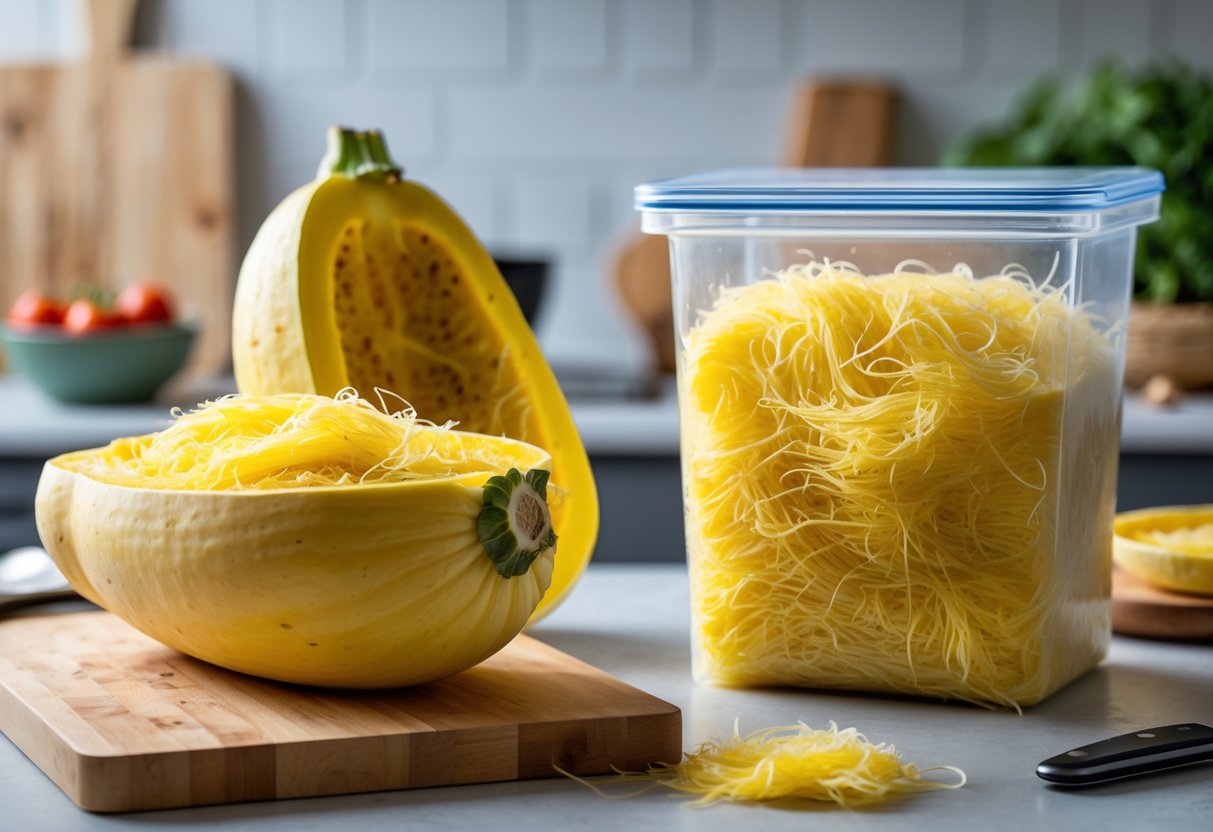
However, once the squash has been cut or cooked, the situation changes significantly. An opened squash exposed to air and moisture becomes vulnerable to bacteria growth and spoilage. At that point, you should wrap the unused portion tightly in plastic wrap or place it in an airtight container before putting it in the refrigerator. Raw, cut spaghetti squash will typically stay good for up to five days, while fully cooked and stored squash should be consumed within three to five days. Freezing is also an option for longer storage, as roasted and portioned strands can last up to eight months in a freezer-safe bag.
Situations vary depending on your climate and kitchen setup. Someone living in a humid, tropical environment may find that room-temperature storage accelerates spoilage, in which case refrigerating the whole squash beforehand can extend its life. Conversely, a household with a chilly garage or basement offers ideal conditions for keeping winter squashes well beyond a month. An important visual and tactile test helps regardless of where you store it: press the skin with your thumb, and if it feels rock-hard with no give, the squash is fresh and ready for later use.
 Refrigerating Spaghetti Squash: Tips For Storage And Freshness | CyCookery
To make the most of this useful ingredient, try a few simple tips. First, always inspect your squash before buying — avoid ones with soft spots, cracks, or mold. Second, label your storage containers with the date when you cut or cook the squash so you don't forget its shelf life. Third, experiment with prep methods: roasting halves cut-side down intensifies the sweetness, while steaming yields extra-soft strands ideal for salads. Finally, trust your senses — an unusual smell or slippery texture is a clear sign that refrigeration should have happened sooner.
In summary, keeping spaghetti squash in excellent condition revolves around one simple principle: store it whole at room temperature, and refrigerate it once opened. With slightly different handling before and after cutting, this remarkably adaptable squash can deliver healthy, satisfying meals whenever inspiration strikes, making it a smart and resilient addition to any kitchen.