Does Sour Cream Have Egg In It

Welcome, curious cooks and snack enthusiasts! Have you ever stood in your kitchen, spoon in hand, about to dollop a generous heap of sour cream onto a baked potato or a bowl o...

Welcome, curious cooks and snack enthusiasts! Have you ever stood in your kitchen, spoon in hand, about to dollop a generous heap of sour cream onto a baked potato or a bowl of chili, only to pause and wonder: "Does this stuff actually have eggs in it?" It’s one of those quiet, sneaky questions that pops up when you’re reading labels for food allergies, whipping up a last-minute dip, or just trying to satisfy a random craving for knowledge. The subject is surprisingly fun because it touches on how everyday foods are made, and it’s incredibly helpful—whether you’re vegan, allergic to eggs, or just want to avoid a kitchen disaster when a recipe calls for sour cream and you’re out. The advantage here is clarity: once you know the simple truth, you’ll never fumble over sour cream again, and you can confidently swap it, eat it, or cook with it.
Let’s cut straight to the creamy heart of the matter: No, traditional sour cream does not contain eggs. The classic version is made from just two main ingredients: heavy cream and live bacterial cultures. These friendly bacteria, similar to those in yogurt, ferment the cream, thickening it and giving it that signature tangy flavor. That’s it. No yolks, no whites, no egg powder. So if you’ve been avoiding sour cream because you think it’s a distant cousin of custard or mayo, you can relax. The name can be misleading—sour cream has nothing to do with eggs, unless you count the fact that it’s a fantastic pairing for scrambled eggs on a breakfast plate!
Now, here’s where things get a little more interesting. While the standard tub of sour cream at the grocery store is egg-free, some specialty or flavored varieties might throw a curveball. For example, certain “sour cream and onion” dips or pre-made party dips sold in the dairy aisle sometimes add modified starches, stabilizers, or even dried egg yolk for extra creaminess or shelf stability. Similarly, premium “crème fraîche” from France is traditionally just cream and culture, but some cheaper brands might sneak in thickeners or emulsifiers that could include egg derivatives. The golden rule? Always read the ingredient label. If you see words like “egg yolk solids,” “albumin,” or “lysozyme” (an enzyme from egg whites), then that specific product contains egg. But for a plain, unflavored sour cream from a major brand—think Daisey, Breakstone’s, or store brands—you are 100% in the clear.
Must Read
But wait—what about the “cream” in sour cream? Doesn’t cream need eggs to thicken? Not at all! The magic trick that sour cream performs is called fermentation, not emulsification. When you make mayonnaise or hollandaise, you need egg yolks to bind oil and water together. In sour cream, the bacterial cultures naturally produce lactic acid, which causes the cream’s proteins to clump together and thicken. It’s a completely different process, one that happens without any eggy assistance. This is also why sour cream is a great alternative for eggs in many baking recipes. If you’re out of eggs, you can often sub in ¼ cup of sour cream per egg—the acidity helps with leavening, and the fat keeps things moist. It’s a little kitchen trick that turns a “no-egg” panic into a “more sour cream” triumph!
For practical advice, here’s how you can use this knowledge like a pro. Tip one: If you’re vegan or have an egg allergy, you can still enjoy a perfect sour cream substitute by blending soaked cashews, lemon juice, and a pinch of salt—zero eggs, all flavor. Tip two: When buying store-bought sour cream, look for brands that advertise “simple ingredients” or “no additives.” These almost never contain eggs. Tip three: If you’re making a dip from scratch (like a classic French onion dip), start with plain sour cream and stir in dry onion soup mix. This gives you full control, and you’ll know exactly what’s inside. Tip four: Don’t be afraid to substitute sour cream for buttermilk or yogurt in recipes—it brings a thicker, richer texture without eggs. And finally, tip five: If a recipe calls for sour cream and you’re worried about curdling when heating it, just temper it first by stirring in a spoonful of the hot liquid. That’s a chef’s secret that keeps your sauce silky—no egg needed.
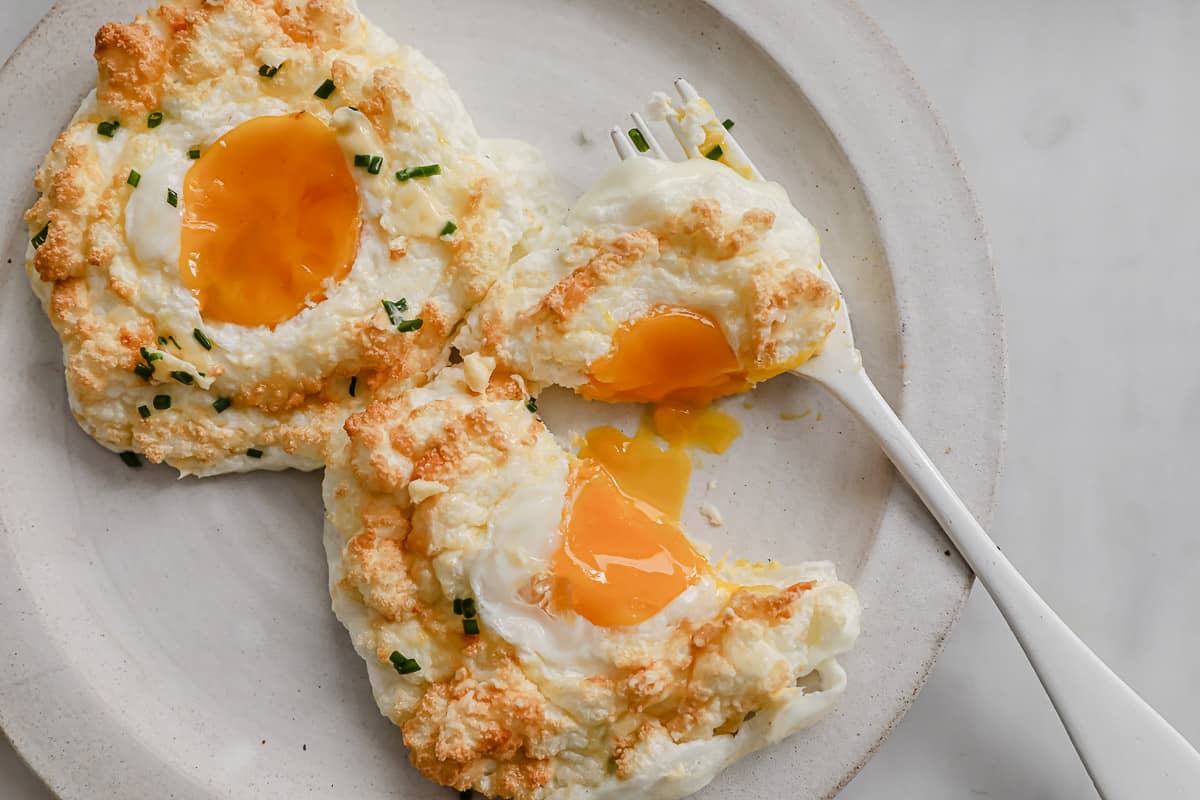 Sour Cream and Chive Egg Clouds - Peace Love and Low Carb
Let’s circle back to a fun creative idea: how about making egg-free deviled eggs? Yes, it’s possible! Use hard-boiled potatoes or halved cherry tomatoes as the “white,” then mix the filling with, you guessed it, sour cream, mustard, and paprika. The tanginess of the sour cream mimics the yolk’s richness perfectly, and your friends will never guess the dish is egg-free. Or imagine a sour cream-based chocolate cake—it’s incredibly moist, and the acidity coaxes out the chocolate flavor without a single egg in sight. These examples show that knowing sour cream’s simple identity—a fermented cream, not an egg product—opens up a world of cooking confidence.
In the end, the answer to “Does sour cream have egg in it?” is a joyful no, with one tiny asterisk: always check the label if you’re buying a flavored or processed version. For the vast majority of cases, sour cream is your faithful, egg-free friend, ready to add tangy richness to tacos, baked potatoes, cakes, and dips. So go ahead, scoop that dollop without a second thought. Your breakfast scramble will thank you, your baked goods will rise, and your snack game will stay strong. Now, who’s ready for a loaded nacho platter?