Does Soaking Potatoes In Water Remove Starch

Have you ever wondered why some chefs are so obsessively meticulous about soaking their potatoes before frying them? It might seem like an unnecessary extra step when you are...
Have you ever wondered why some chefs are so obsessively meticulous about soaking their potatoes before frying them? It might seem like an unnecessary extra step when you are already taking time to peel, chop, and season your potatoes, but there is actually a lot of science and culinary wisdom behind this simple practice. Whether you are a home cook looking for crispier fries, someone watching your carb intake, or just a curious kitchen enthusiast, understanding how soaking potatoes in water affects starch content can seriously upgrade your cooking game. This is a fun, accessible, and surprisingly helpful topic that touches on nutrition, texture, and flavor all at once. Let's dig in and uncover the truth together.
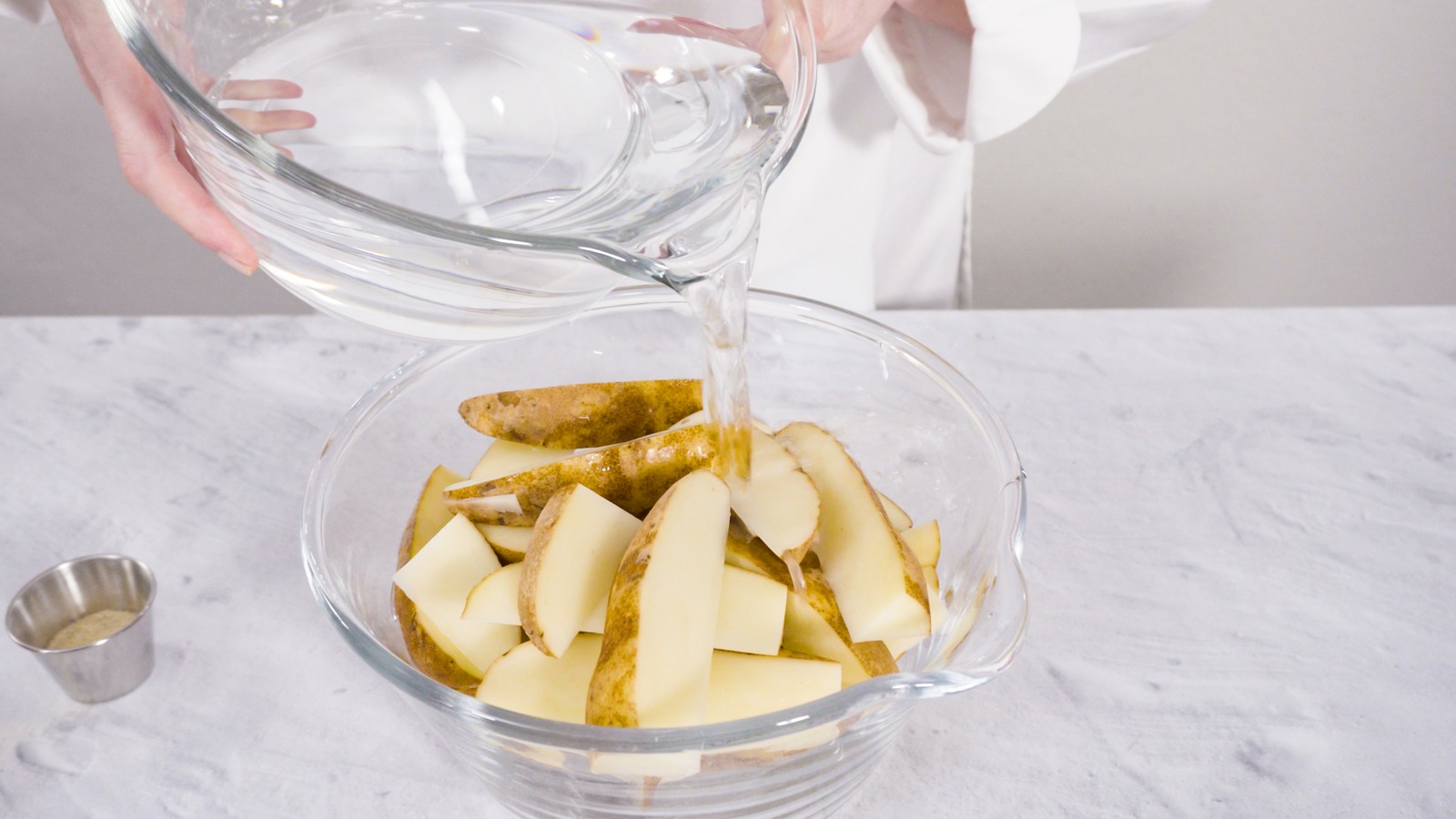
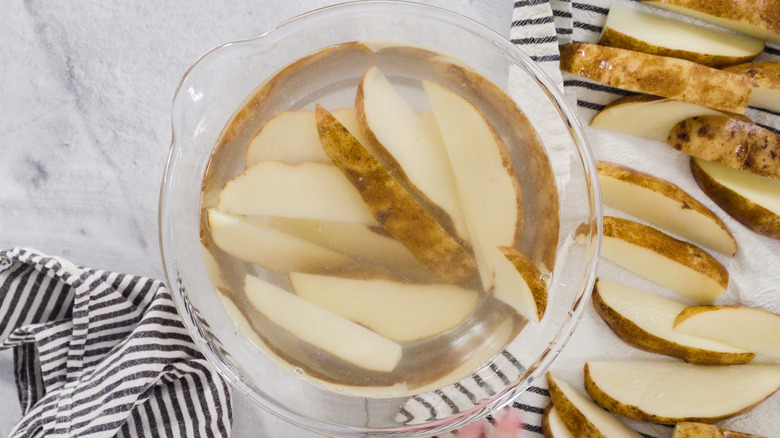
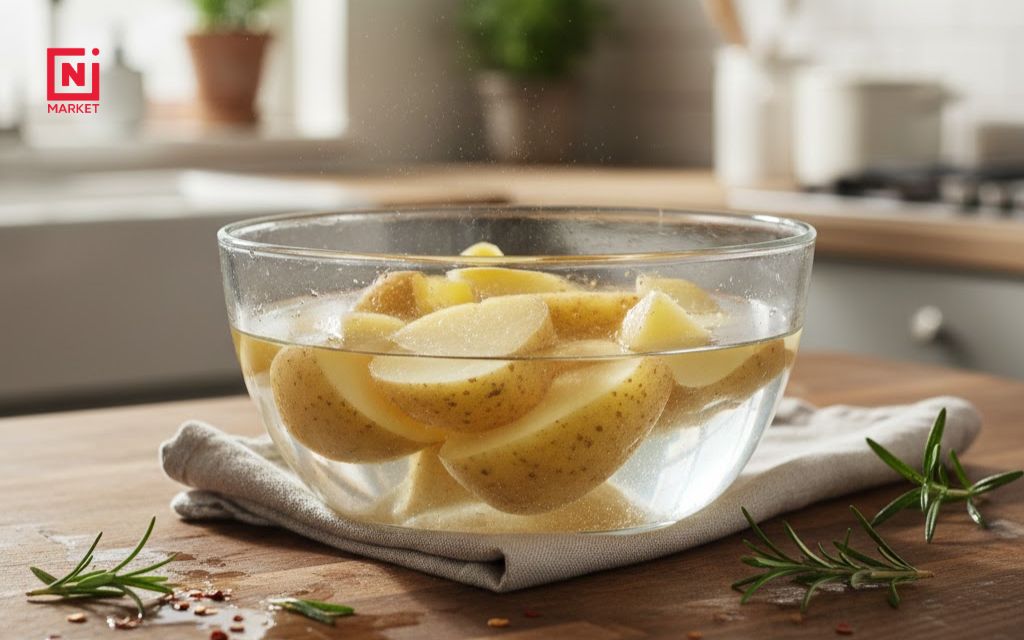
So, does soaking potatoes in water actually remove starch? The answer is a hearty yes! Potatoes are naturally packed with starch, which is a complex carbohydrate that takes up a large portion of the vegetable. When you submerge your cut potatoes in water, the surface starch begins to dissolve and leach out into the liquid. You can even see this happen because the water will turn cloudy and slightly milky within just a few minutes. The longer the soak and the more frequently you change the water, the more starch you remove. This is especially noticeable if you first rinse the potatoes under running water before soaking them — the combination of rinsing and soaking can strip away up to 40% of the surface starch, which makes a noticeable difference when it comes to cooking results.
Why would anyone want to remove starch in the first place? The benefits are actually quite impressive. Crispier texture is the number one reason professional chefs swear by this technique. When potatoes and high oil meet, surface starch caramelizes quickly, which can lead to a gummy, soggy exterior rather than a satisfying crunch. By washing that excess starch away, you reduce the stickiness on the surface, allowing the potato fries or roasted chunks to develop a golden, crunchy crust. Additional benefits include preventing the potatoes from sticking together when you toss them in a bowl, achieving a lighter and fluffier interior in mashed potatoes when you boil the starch down, and even reducing the overall glycemic response of the dish since you are literally pulling some carbs out of the equation. Soaked potatoes also tend to brown more evenly, which means a more visually appealing plate.
Must Read
There are plenty of creative ways to put this technique to work in your kitchen. Imagine tossing shoestring fries into a bowl of ice-cold water for the ultimate crisp factor — some cooks even add a splash of vinegar to the soak. The acid helps the potato cells hold together while simultaneously breaking down more surface starch. You could also try a two-soak method: do an initial short soak for five minutes, drain, discard the starchy water, and then soak again with fresh cold water for another fifteen. For those who love roasted potatoes, parboiling them first and then shocking them in an ice bath does double duty by removing starch and firming up the exterior, creating craggy, super-crisp edges for roasting. Even potato pancakes and hash browns benefit from this — the starch removal helps them hold their shape beautifully instead of falling apart in the pan.
 Air Fryer Potato Wedges: 1 Hack for Maximum Crisp
Here are some practical tips for readers who want to try soaking potatoes themselves. First, always use cold water because warm water can begin to cook the potato surface and actually makes it stickier. Second, cut your potatoes first; the more surface area you expose, the more starch will leach out efficiently. Third, plan your timing — soaking for at least 30 minutes is great, but up to 24 hours in the refrigerator works too as long as you keep the potatoes fully submerged. On that note, always cover the potatoes completely to prevent air exposure, which causes the flesh to oxidize and turn brown. Finally, dry your potatoes very thoroughly before frying or roasting; leftover moisture on the surface will fight against the crispiness you are trying to achieve. A clean kitchen towel or a wire rack works wonders here.
In the end, soaking potatoes in water is one of those small, effortless kitchen moves that pays off enormously. It is a technique rooted in science, backed by professional chefs, and accessible to anyone standing in front of a cutting board. Whether your goal is nutrition-minded reduction of starch, showstopping crispiness, or simply understanding your ingredients at a deeper level, this method delivers on all fronts. So the next time you have a bag of potatoes ready to go, try lowering them into a cold water bath and watch that cloudiness swirl away — it turns out that great cooking often starts with the simplest steps.